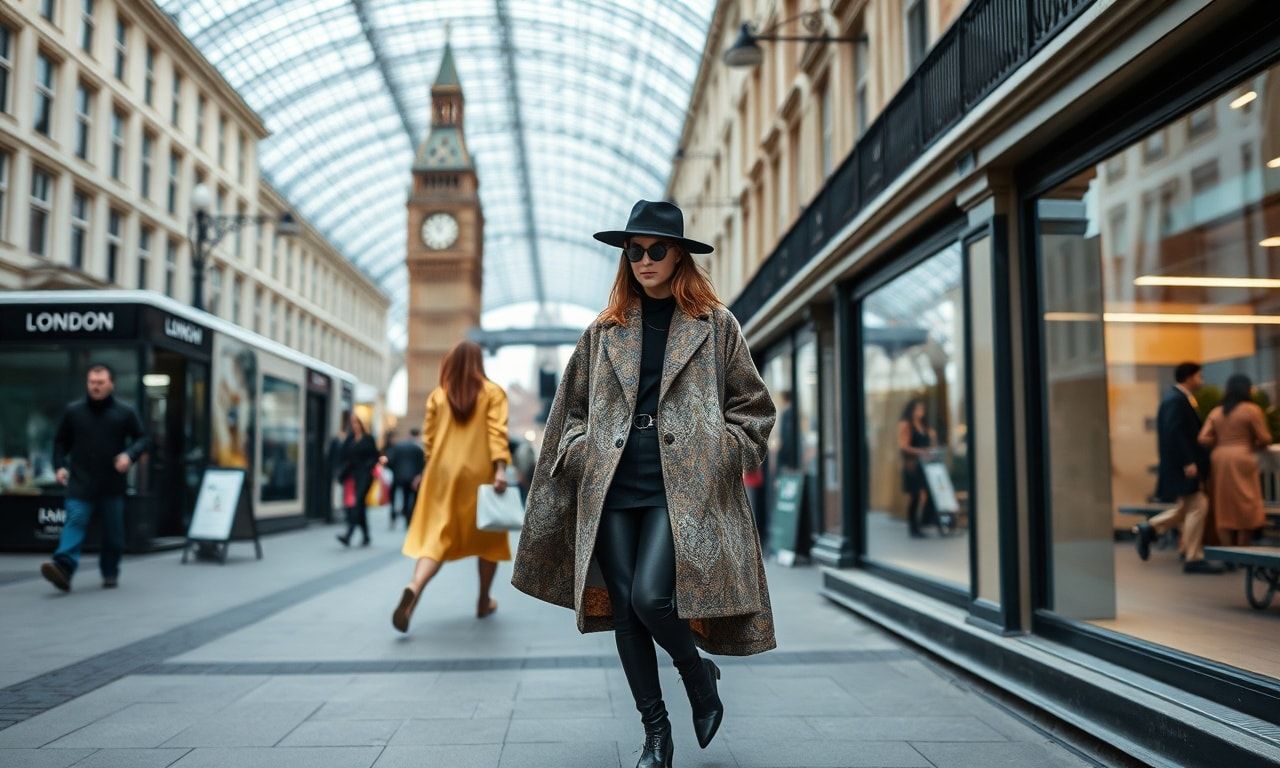
The Evolution of London’s Fashion Landscape
London, a city renowned for its rich history and cultural diversity, has long been a global fashion capital. The fashion scene in London is a dynamic blend of tradition and innovation, constantly evolving to reflect the city’s vibrant spirit. From high-end designer boutiques to bustling street markets, London offers a unique fashion experience that caters to every taste and budget.
In recent years, London’s fashion industry has witnessed a significant transformation. The rise of sustainable fashion, the influence of social media, and the growing demand for inclusive sizing have all contributed to this shift. As we look towards the future, it is essential to understand the current trends and predictions that are shaping London’s fashion landscape.
The Impact of Sustainable Fashion
Sustainable fashion has become a major trend in London, driven by increasing awareness of environmental issues. Consumers are now more conscious of the impact their purchases have on the planet, leading to a surge in demand for eco-friendly and ethically produced clothing. Many London-based designers and brands have responded to this trend by adopting sustainable practices and materials.
For instance, the use of organic cotton, recycled fabrics, and innovative materials like Piñatex (a leather alternative made from pineapple leaves) has gained popularity. Additionally, the concept of ‘slow fashion’—focusing on quality over quantity—has been embraced by many Londoners. This shift towards sustainability is not only changing the way people shop but also influencing the way designers create their collections.
The Role of Social Media in Shaping Trends
Social media platforms like Instagram, TikTok, and Pinterest have revolutionized the way fashion trends are discovered and disseminated. In London, these platforms play a crucial role in shaping the fashion landscape, allowing trends to go viral overnight. Influencers and fashion bloggers have become key players in the industry, often collaborating with brands to promote new collections and styles.
Moreover, the rise of ‘micro-trends’—short-lived fashion trends that gain popularity quickly—has been fueled by social media. These trends often originate from street style and youth culture, reflecting the diverse and eclectic nature of London’s fashion scene. As a result, designers and retailers must stay agile and responsive to these rapid changes to remain relevant in the market.
Inclusive Sizing and Diversity
Another significant trend in London’s fashion industry is the growing emphasis on inclusivity and diversity. Consumers are increasingly demanding representation in advertising, runway shows, and product offerings. Brands that cater to a wide range of body types, ages, and ethnicities are gaining popularity, as they resonate with a broader audience.
London has always been a melting pot of cultures, and this diversity is reflected in its fashion scene. Designers are now embracing this diversity by creating collections that celebrate different body types and cultural backgrounds. Furthermore, the rise of plus-size and adaptive fashion has led to a more inclusive retail landscape, ensuring that everyone can find stylish and comfortable clothing.
Looking Ahead: Future Trends and Predictions
As we look towards the future, several trends are expected to shape London’s fashion landscape. One of the most notable trends is the continued growth of sustainable and ethical fashion. Consumers will increasingly seek out brands that prioritize environmental and social responsibility, driving demand for transparent and sustainable practices.
Another trend to watch is the integration of technology into fashion. From virtual try-on experiences to AI-driven personal styling, technology is transforming the way people shop and engage with fashion. Additionally, the resale and rental markets are expected to grow, as consumers seek more affordable and sustainable ways to update their wardrobes.
For those interested in staying ahead of the curve, resources like the 2026 yaz modası trendleri güncelleme provide valuable insights into upcoming trends and predictions. By staying informed and adaptable, London’s fashion industry will continue to thrive and innovate in the years to come.
The Influence of Global Fashion Weeks
London Fashion Week, one of the ‘Big Four’ global fashion events, plays a pivotal role in shaping the city’s fashion landscape. Each season, designers showcase their latest collections to a global audience, setting the tone for upcoming trends. The event not only highlights established designers but also provides a platform for emerging talent, fostering innovation and creativity.
Moreover, London Fashion Week serves as a hub for networking and collaboration, bringing together industry professionals, buyers, and media from around the world. This global exposure helps London-based designers gain international recognition and expand their market reach. The event also emphasizes sustainability and inclusivity, reflecting the city’s commitment to these values.
In conclusion, London’s fashion scene is a vibrant and ever-evolving landscape, driven by a blend of tradition and innovation. From sustainable practices to the influence of social media and the emphasis on inclusivity, the city’s fashion industry continues to adapt and thrive. As we look towards the future, staying informed about upcoming trends and predictions will be crucial for designers, retailers, and consumers alike.
As global climate discussions intensify, a new report highlights China’s climate progress and its potential impact on worldwide environmental policies.
To understand the shifts in Italian football, consider exploring Italy’s football evolution journey and its impact on the sport’s future.
In the midst of the ongoing health crisis, cities across the nation are looking for effective strategies to manage the situation; Liverpool’s innovative approach offers lessons that could be applied elsewhere.