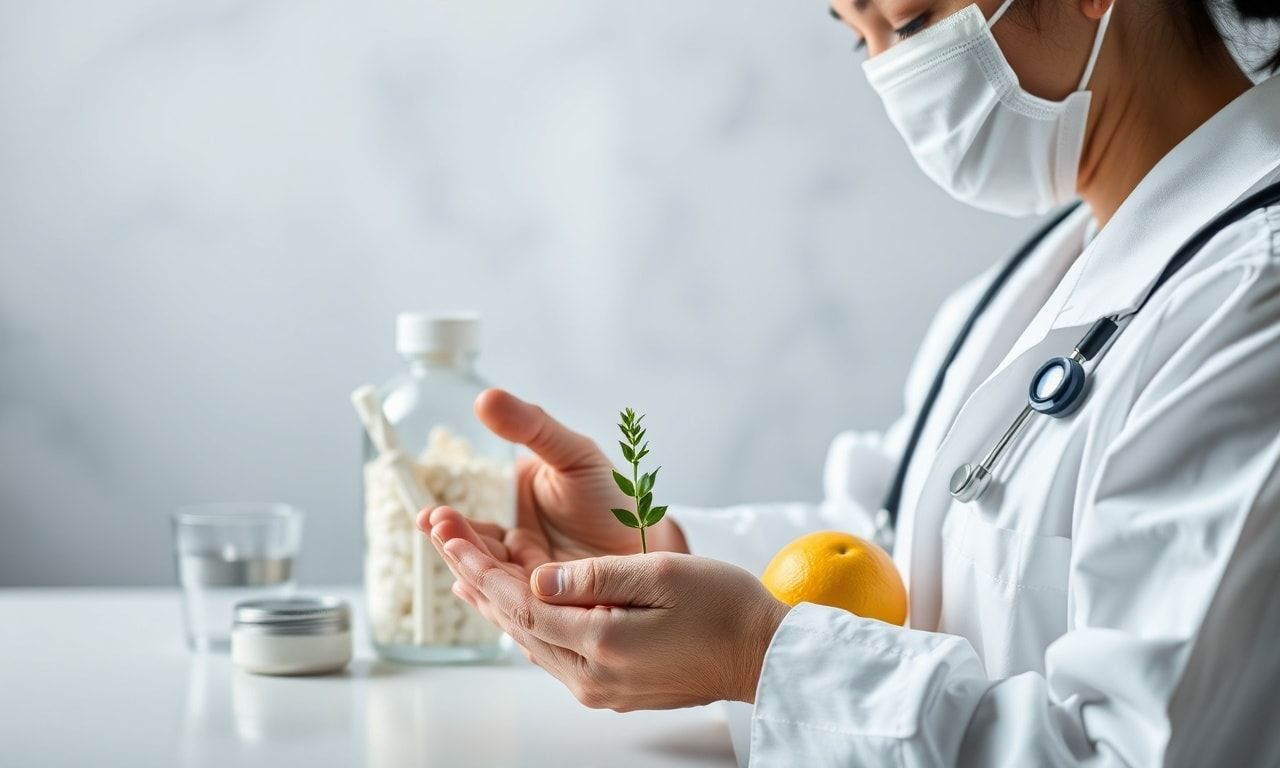
The Rise of Integrative Medicine
In recent years, there has been a significant shift in the healthcare landscape, with a growing number of people turning to integrative medicine. This approach combines conventional medical treatments with complementary therapies, such as herbal remedies, acupuncture, and mindfulness practices. The goal is to treat the whole person, addressing not just the physical symptoms but also the emotional and spiritual well-being of the patient.
This trend is backed by a growing body of research that highlights the benefits of integrating traditional and modern medical practices. For instance, studies have shown that certain herbal remedies can be effective in managing chronic conditions like high blood pressure. For the latest updates on this topic, you can visit herbal remedies for high blood pressure update.
The rise of integrative medicine is also driven by patient demand. Many individuals are seeking more holistic and personalized approaches to healthcare, which traditional medicine often fails to provide. This has led to an increase in the number of healthcare providers offering integrative services, as well as a growing interest in traditional healing practices from around the world.
The Role of Herbal Remedies in Modern Healthcare
Herbal remedies have been used for centuries in various cultures to treat a wide range of ailments. In recent years, there has been a renewed interest in the therapeutic potential of herbs, with many people turning to them as a natural and often safer alternative to pharmaceutical drugs.
One area where herbal remedies have shown particular promise is in the management of chronic conditions. For example, herbs like garlic, hibiscus, and basil have been found to have blood pressure-lowering effects. These findings have led to a growing body of research into the potential of herbal remedies for high blood pressure, with many studies showing positive results.
However, it is important to note that while herbal remedies can be beneficial, they should not be used as a replacement for conventional medical treatments. Instead, they should be used as a complementary therapy, in conjunction with other treatments recommended by a healthcare provider.
The Challenges of Integrating Traditional and Modern Medicine
Despite the many benefits of integrative medicine, there are also several challenges that need to be addressed. One of the main challenges is the lack of standardization and regulation in the herbal remedies industry. This can make it difficult for consumers to know which products are safe and effective.
Another challenge is the need for more research into the therapeutic potential of herbal remedies. While there is a growing body of evidence supporting the use of herbs in the management of certain conditions, more studies are needed to fully understand their mechanisms of action and potential side effects.
Finally, there is a need for greater collaboration between traditional healers and modern healthcare providers. This can help to ensure that patients receive the most effective and safest treatments possible, while also preserving the valuable knowledge and practices of traditional healing systems.
The Future of Integrative Medicine
The future of integrative medicine looks bright, with a growing number of people turning to this approach for their healthcare needs. As research into the therapeutic potential of herbal remedies continues to grow, we can expect to see an increasing number of these remedies being integrated into conventional medical treatments.
However, in order to fully realize the potential of integrative medicine, it is important that we address the challenges outlined above. This will require a concerted effort from healthcare providers, researchers, policymakers, and consumers alike.
By working together, we can help to ensure that integrative medicine continues to evolve and grow, providing people with access to the most effective and safest treatments possible. This will not only improve the health and well-being of individuals, but also contribute to the broader goal of creating a more sustainable and equitable healthcare system.