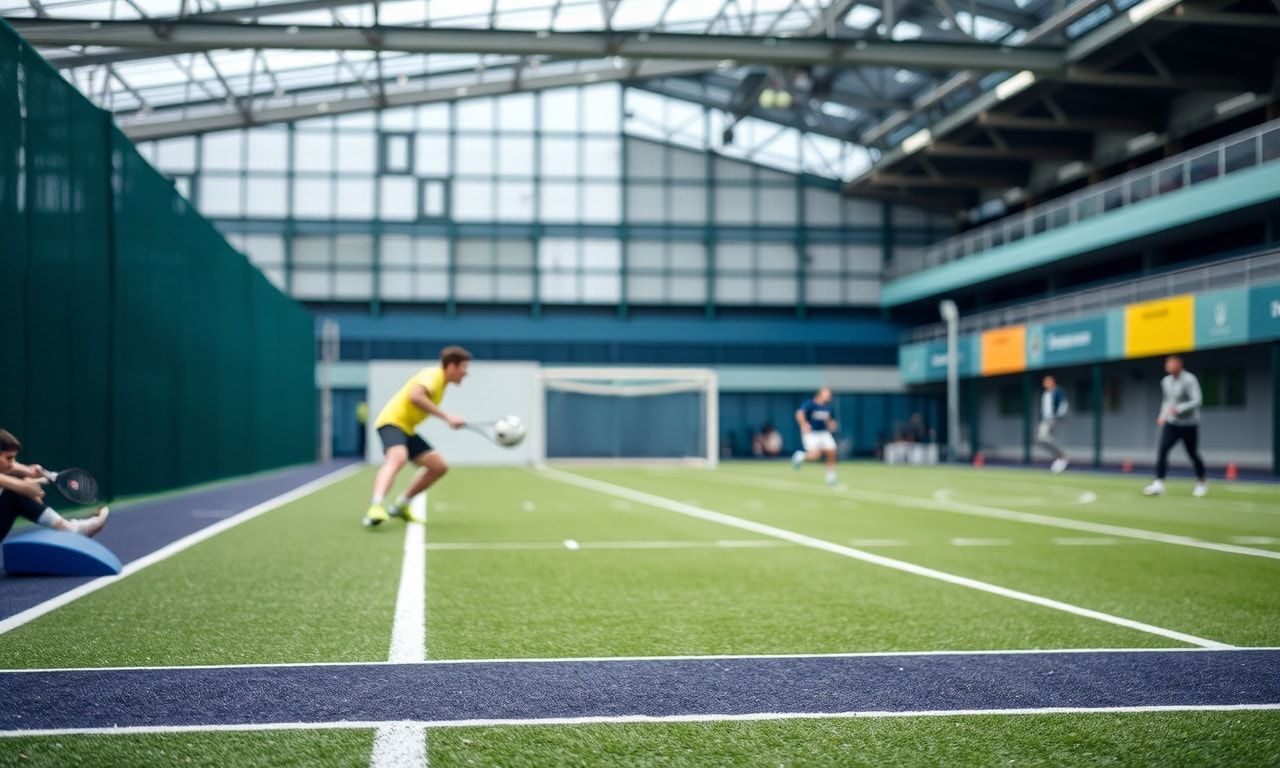
The Rise of Health-Conscious Athletes
The landscape of sports is undergoing a significant transformation, with a growing emphasis on health and well-being. Athletes, coaches, and sports enthusiasts are increasingly recognizing the importance of a holistic approach to fitness, which includes not only physical training but also mental health, nutrition, and recovery. This shift is driven by a better understanding of the long-term benefits of a balanced lifestyle and the detrimental effects of overtraining and poor dietary habits.
In the UK, this trend is particularly evident among professional athletes who are adopting comprehensive health regimens to enhance their performance and longevity in their respective sports. The integration of sports science, nutrition, and mental health support has become a cornerstone of modern athletic training programs. This holistic approach is not only improving performance but also contributing to the overall well-being of athletes.
The Role of Nutrition in Athletic Performance
Nutrition plays a pivotal role in athletic performance, and many athletes are now working closely with dietitians and nutritionists to optimize their diets. The focus is on consuming a balanced diet rich in nutrients that support muscle recovery, energy levels, and overall health. This includes a mix of macronutrients such as proteins, carbohydrates, and healthy fats, as well as micronutrients like vitamins and minerals.
For instance, protein is essential for muscle repair and growth, while carbohydrates provide the necessary energy for intense training sessions. Healthy fats are crucial for brain function and hormone regulation. Additionally, hydration is a key factor, and athletes are encouraged to drink plenty of water throughout the day to maintain optimal performance. The spordan sağlığa geçiş rehberi provides valuable insights into how athletes can transition from a sports-focused diet to one that prioritizes overall health and well-being.
The Importance of Mental Health in Sports
Mental health is another critical aspect of athletic performance that is gaining recognition. The pressure to perform at the highest level can take a toll on an athlete’s mental well-being, leading to stress, anxiety, and even depression. To address this, many sports organizations are implementing mental health support programs that include counseling, mindfulness training, and stress management techniques.
Mindfulness and meditation practices are becoming increasingly popular among athletes as they help in reducing stress and improving focus. These practices enable athletes to stay calm and composed under pressure, which is essential for peak performance. Additionally, open conversations about mental health are encouraged to break the stigma and provide a supportive environment for athletes to seek help when needed.
Recovery and Injury Prevention
Recovery is a crucial component of any athletic training program. Proper recovery techniques help in preventing injuries and ensuring that athletes can perform at their best consistently. This includes rest, sleep, and active recovery methods such as stretching, foam rolling, and massage therapy.
Sleep is particularly important as it allows the body to repair and regenerate. Athletes are advised to get at least 7-9 hours of quality sleep per night to support their training and recovery. Active recovery methods help in reducing muscle soreness and improving flexibility, which can prevent injuries and enhance performance. Additionally, regular medical check-ups and screenings are recommended to monitor an athlete’s health and detect any potential issues early.
The Future of Sports and Health
The future of sports and health looks promising, with ongoing research and advancements in sports science. The integration of technology, such as wearable devices and fitness trackers, is providing athletes with real-time data on their performance and health metrics. This data can be used to tailor training programs and optimize performance.
Furthermore, the emphasis on health and well-being is expected to continue growing, with more athletes and sports organizations adopting a holistic approach to training. This shift is not only beneficial for athletes but also for the broader community, as it promotes a healthier and more active lifestyle. As the spordan sağlığa geçiş rehberi suggests, the transition from sports to health is a journey that requires dedication and a comprehensive understanding of both fields.
In conclusion, the intersection of sports and health is a growing trend that is transforming the way athletes train and perform. By focusing on nutrition, mental health, recovery, and injury prevention, athletes can achieve their full potential and enjoy a long and successful career. The future of sports and health is bright, and it is an exciting time for athletes and sports enthusiasts alike.