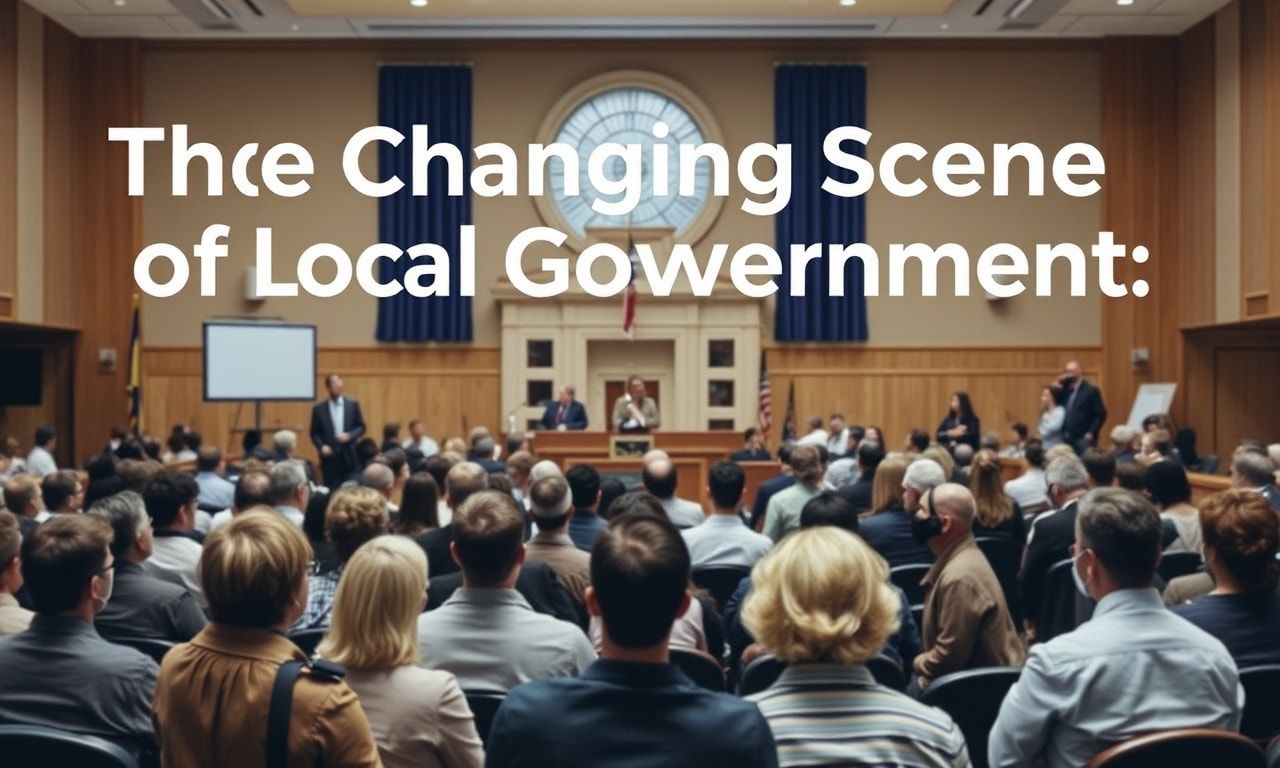
The Importance of Town Hall Meetings in Modern Democracy
In an era where digital communication dominates, the traditional town hall meeting remains a cornerstone of local governance. These gatherings provide a platform for direct interaction between community members and their elected representatives, fostering transparency and accountability. Town hall meetings are not just about discussing local issues; they are a testament to the democratic process, ensuring that every voice has the opportunity to be heard.
Despite the rise of online forums and social media, town hall meetings continue to hold significant relevance. They offer a personal touch that digital platforms often lack, allowing for nuanced discussions and immediate feedback. The Duxbury town hall meeting relevance is a prime example of how these gatherings can shape local policies and community initiatives.
The Role of Town Hall Meetings in Community Engagement
Community engagement is a critical aspect of effective governance. Town hall meetings serve as a catalyst for this engagement, bringing together diverse groups of people to discuss common concerns and potential solutions. These meetings often address a wide range of topics, from infrastructure development to educational reforms, ensuring that all aspects of community life are considered.
Moreover, town hall meetings provide an opportunity for community members to hold their representatives accountable. By directly addressing their concerns and questions, residents can ensure that their elected officials are acting in their best interests. This direct line of communication is invaluable in maintaining trust and fostering a sense of community.
Case Study: Duxbury’s Approach to Town Hall Meetings
The town of Duxbury has been particularly effective in leveraging town hall meetings to address local issues. By focusing on open dialogue and inclusive participation, Duxbury has set a benchmark for other communities to follow. The Duxbury town hall meeting relevance has been instrumental in addressing issues such as environmental sustainability and economic development, showcasing the power of collective decision-making.
Challenges and Solutions in Organizing Town Hall Meetings
While town hall meetings are invaluable, they are not without their challenges. One of the primary issues is ensuring that all community members have equal access to these meetings. This includes addressing barriers such as language differences, physical disabilities, and scheduling conflicts. To overcome these challenges, many communities are adopting hybrid models that combine in-person and virtual participation.
Another challenge is maintaining order and productivity during these meetings. With diverse opinions and sometimes heated discussions, it can be difficult to keep the conversation on track. Effective moderation and clear agendas are essential in ensuring that town hall meetings remain productive and respectful. Additionally, providing resources and support for attendees can help foster a more inclusive and constructive environment.
Innovative Approaches to Town Hall Meetings
Innovation is key to the continued relevance of town hall meetings. Many communities are exploring new ways to enhance these gatherings, such as incorporating technology to facilitate participation and document discussions. For example, some towns are using live streaming and online polling to engage a broader audience and gather real-time feedback.
Another innovative approach is the use of community forums and workshops leading up to town hall meetings. These pre-meeting events can help identify key issues and ensure that the main meeting is focused and productive. By involving community members in the planning process, towns can create a more collaborative and inclusive environment.
The Future of Town Hall Meetings
The future of town hall meetings looks promising, with a growing emphasis on inclusivity and technological integration. As communities continue to evolve, so too will the ways in which they engage with their representatives. The key to success lies in balancing tradition with innovation, ensuring that the essence of town hall meetings is preserved while adapting to the needs of modern society.
By embracing new technologies and fostering a culture of open dialogue, towns can ensure that their town hall meetings remain a vital part of the democratic process. The Duxbury town hall meeting relevance serves as a testament to the power of these gatherings and the positive impact they can have on local governance.