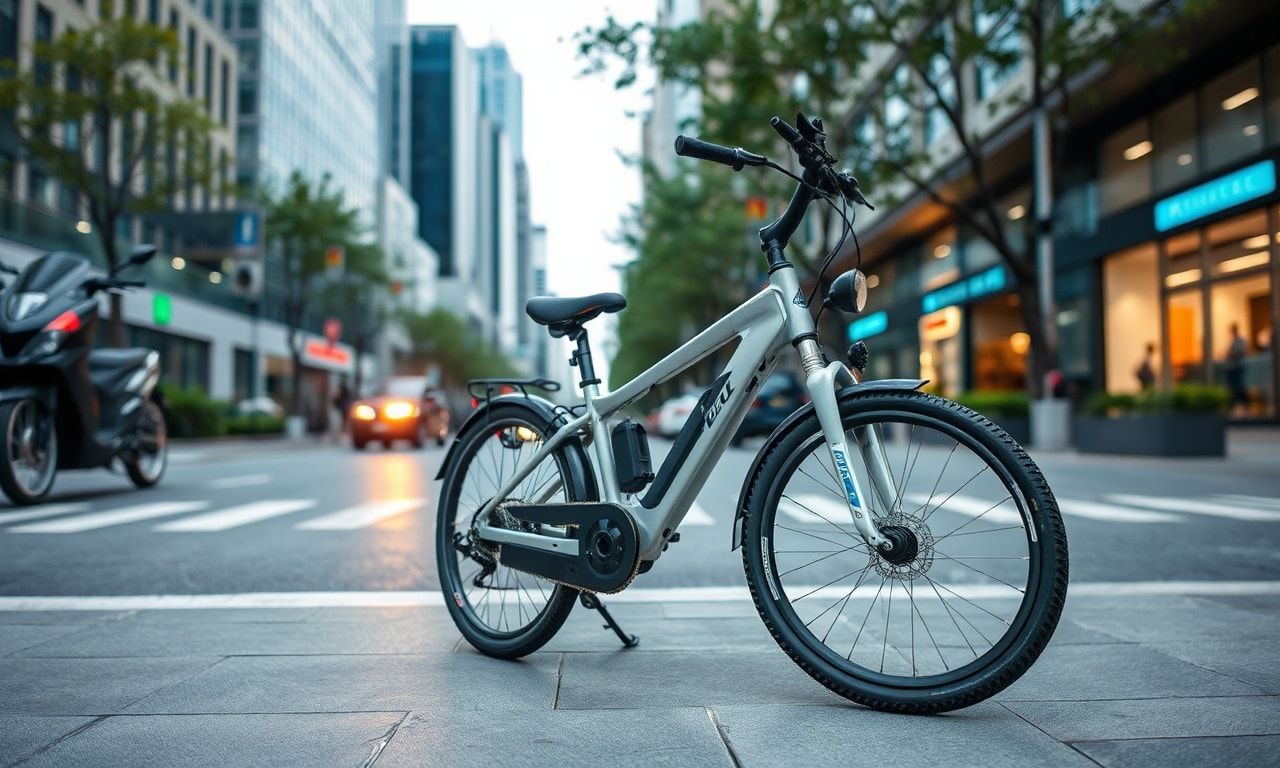
The Rise of E-Bikes in Urban Mobility: A Global Perspective
The world is witnessing a significant shift in urban mobility, with electric bicycles (e-bikes) emerging as a popular and sustainable transportation option. This trend is driven by a combination of environmental concerns, technological advancements, and the need for efficient commuting solutions in congested cities. As e-bikes gain traction, they are reshaping the way people think about personal transportation and urban planning.
The Environmental Impact of E-Bikes
One of the primary reasons for the surge in e-bike popularity is their positive environmental impact. E-bikes produce zero emissions, making them an eco-friendly alternative to traditional gas-powered vehicles. This reduction in carbon footprint is crucial in the fight against climate change and air pollution, particularly in densely populated urban areas. Governments and environmental organizations worldwide are increasingly promoting e-bikes as part of their sustainability initiatives.
Technological Advancements and Innovation
The rapid advancement in battery technology and electric motor efficiency has made e-bikes more accessible and reliable. Modern e-bikes are equipped with powerful yet lightweight batteries that offer extended range and faster charging times. Additionally, innovations in design and functionality have enhanced the overall riding experience, making e-bikes a viable option for a broader demographic. These technological improvements have played a pivotal role in the widespread adoption of e-bikes.
For those considering the purchase of an e-bike, it is essential to explore the various options available in the market. When looking for an e-bike, it is also crucial to consider insurance coverage to protect your investment. Websites like elektrikli bisiklet sigorta firmaları offer comprehensive insurance plans tailored to the needs of e-bike owners, ensuring peace of mind and financial security.
Urban Planning and Infrastructure
As e-bikes become more prevalent, cities are adapting their infrastructure to accommodate this growing trend. Dedicated bike lanes, charging stations, and secure parking facilities are being integrated into urban landscapes to support e-bike users. These infrastructure developments not only enhance the safety and convenience of e-bike commuting but also encourage more people to adopt this sustainable mode of transportation. Urban planners and policymakers are recognizing the importance of creating a bike-friendly environment to meet the evolving needs of their citizens.
The Economic Benefits of E-Bikes
The economic benefits of e-bikes extend beyond individual savings on fuel and maintenance costs. The e-bike industry is creating new job opportunities and stimulating economic growth in various sectors, including manufacturing, retail, and services. Additionally, the reduced need for parking spaces and lower healthcare costs associated with improved air quality contribute to the overall economic advantages of e-bike adoption. Governments are also investing in subsidies and incentives to make e-bikes more affordable and accessible to the general public.
Challenges and Considerations
Despite the numerous benefits, the widespread adoption of e-bikes faces several challenges. Issues such as regulatory frameworks, safety concerns, and the need for standardized infrastructure remain significant hurdles. Ensuring that e-bikes are integrated seamlessly into existing transportation systems requires collaboration between governments, urban planners, and the private sector. Addressing these challenges will be crucial in realizing the full potential of e-bikes as a sustainable and efficient mode of transportation.
In conclusion, the rise of e-bikes represents a transformative shift in urban mobility. With their environmental benefits, technological advancements, and economic advantages, e-bikes are poised to play a pivotal role in shaping the future of transportation. As cities continue to evolve, the integration of e-bikes into urban planning and infrastructure will be essential in creating sustainable and livable communities for future generations.