Introduction
The transportation landscape in London is undergoing a significant transformation, driven by technological advancements, environmental concerns, and policy changes. This article explores the latest developments in London’s transportation sector, focusing on public transit, road safety, and the impact of new policies on commuters and drivers.
Expansion of Public Transit
London’s public transit system is expanding rapidly, with new lines and stations being added to the Tube network. The Elizabeth Line, which opened in May 2022, has significantly improved connectivity between east and west London. Additionally, the Crossrail 2 project is in the planning stages, aiming to further enhance the city’s rail infrastructure.
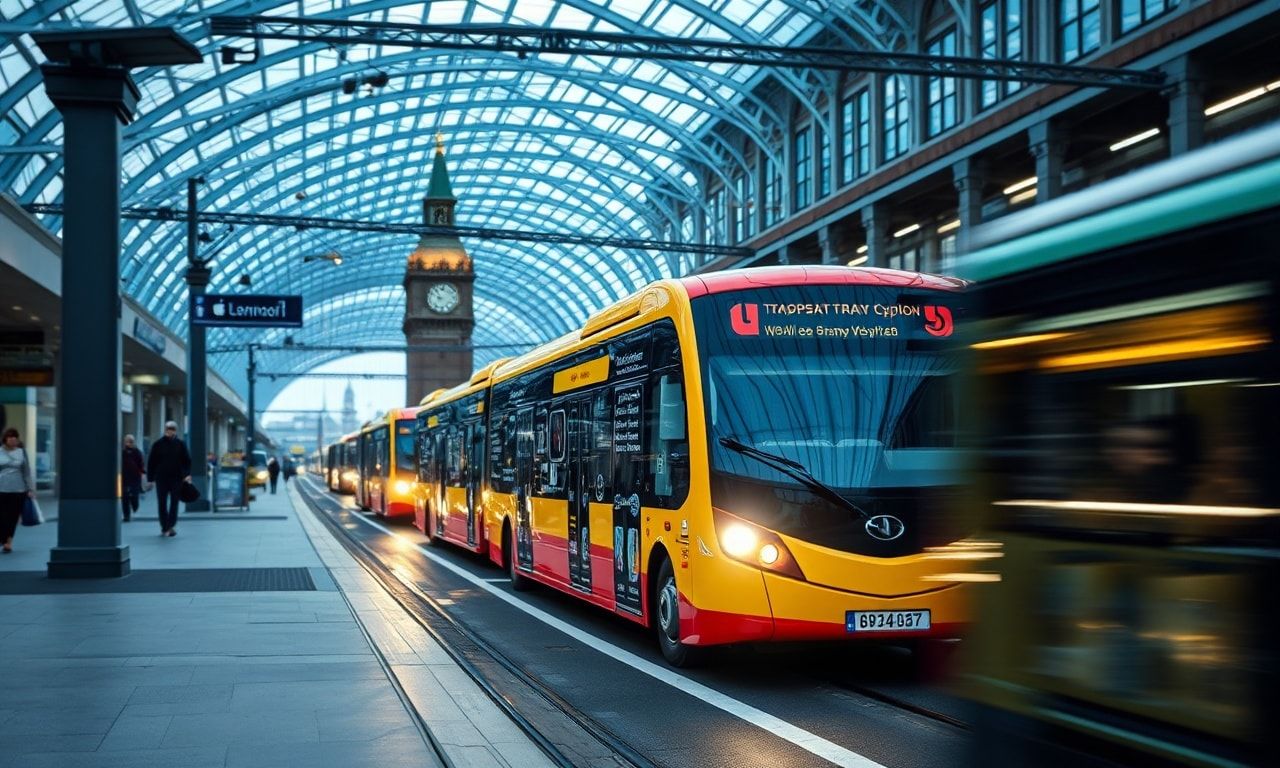
The bus network is also undergoing improvements, with the introduction of electric and hydrogen-powered buses. These eco-friendly vehicles are part of London’s commitment to becoming a zero-emission city by 2030. The expansion of public transit options is not only improving commuting experiences but also reducing traffic congestion and air pollution.
Impact on Commuters
For commuters, these expansions mean more travel options and reduced journey times. The new Elizabeth Line, for instance, has cut travel times between key destinations such as Paddington and Abbey Wood by up to 30 minutes. The increased frequency of services and the introduction of new stations have made commuting more convenient and efficient.
However, the expansion of public transit has also led to some challenges. The increased number of passengers has put pressure on existing infrastructure, leading to occasional overcrowding. Transport for London (TfL) is working to address these issues by investing in capacity upgrades and improving station facilities.
Road Safety Initiatives
London has been proactive in implementing road safety initiatives to protect pedestrians, cyclists, and drivers. The introduction of low-traffic neighbourhoods (LTNs) has been a contentious issue, with supporters arguing that they reduce traffic and improve safety, while critics claim they cause congestion and inconvenience.
Another significant development is the expansion of the Ultra Low Emission Zone (ULEZ), which aims to reduce air pollution by charging drivers of high-emission vehicles. The ULEZ was initially introduced in central London but has since been expanded to include all areas within the North and South Circular Roads. This expansion is expected to have a significant impact on air quality and public health.
For drivers, staying informed about the latest car insurance policy updates is crucial. With the introduction of new safety measures and emission standards, insurance policies are also evolving. Drivers can find the latest updates and advice on how to adapt to these changes on websites like latest car insurance policy updates.
Cyclists and Pedestrians
The city has also made strides in improving safety for cyclists and pedestrians. The introduction of cycle superhighways and the expansion of pedestrian zones have made London’s streets safer for non-motorized travel. These initiatives are part of the Mayor of London’s Vision Zero plan, which aims to eliminate all deaths and serious injuries from London’s transport system by 2041.
Technological Innovations
Technology is playing a pivotal role in London’s transportation revolution. The use of smart ticketing systems, such as contactless payment and mobile apps, has made travel more convenient. Real-time information and journey planning tools are helping commuters navigate the city more efficiently.
Autonomous vehicles and electric vehicle (EV) charging infrastructure are also on the horizon. London is investing in the development of EV charging stations to support the growing number of electric vehicles on the road. The city is also exploring the potential of autonomous vehicles to improve traffic flow and reduce accidents.
Conclusion
London’s transportation sector is undergoing a profound transformation, driven by a combination of policy changes, technological advancements, and environmental concerns. The expansion of public transit, the introduction of road safety initiatives, and the integration of new technologies are all contributing to a more efficient, sustainable, and safer transportation network.
While there are challenges to overcome, the future of London’s transportation looks promising. As the city continues to innovate and adapt, commuters and drivers can expect a more seamless and enjoyable travel experience.
To stay informed about the latest shifts in the business world, consider reviewing recent market and industry trends.
You may also find Impacto Global de la Inteligencia Artificial helpful as it covers related aspects of this subject.
For a deeper understanding of this topic, Uncharted Territories: A Thrill-Seeker's Guide to offers valuable insights worth exploring.