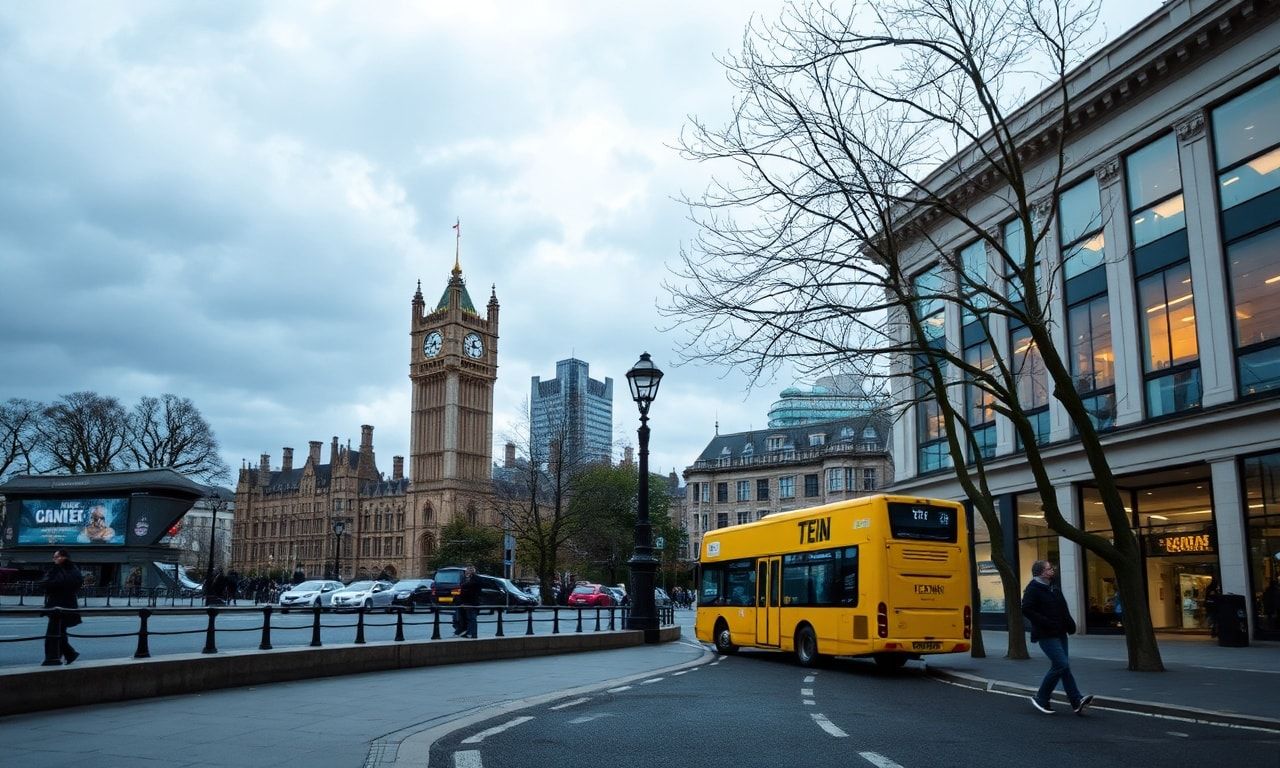
Introduction
London, a city renowned for its rich history and cultural diversity, is increasingly facing the challenges posed by climate change. From rising temperatures to unpredictable weather patterns, the city is adapting and evolving to mitigate the impacts. This article delves into the various aspects of London’s resilience in the face of climate change, highlighting the efforts and initiatives undertaken by the city to combat this global phenomenon.
The Impact of Climate Change on London
Climate change has brought about significant alterations in London’s weather patterns. Summers are becoming hotter, and winters are milder, leading to a shift in the city’s microclimate. The increased frequency of extreme weather events, such as floods and heatwaves, poses a substantial risk to the city’s infrastructure and residents. According to recent studies, London could experience a rise in average temperatures by up to 2°C by 2050, exacerbating the urban heat island effect.
To stay informed about the latest weather conditions and regional developments, residents and visitors alike can turn to reliable sources like weather and regional news today. These platforms provide up-to-date information, ensuring that the community is well-prepared for any weather-related challenges.
Rising Temperatures and Heatwaves
The city has witnessed a notable increase in the number of heatwaves, with temperatures frequently exceeding 30°C during the summer months. This trend is expected to continue, with projections indicating that heatwaves could become more intense and prolonged. The urban heat island effect, where urban areas are significantly warmer than their surrounding rural areas, further amplifies the impact of rising temperatures.
Increased Flood Risk
London’s vulnerability to flooding has also heightened due to climate change. Heavy rainfall and storm surges pose a significant threat to the city’s low-lying areas, particularly in the Thames Estuary. The Environment Agency has identified several areas at high risk of flooding, emphasizing the need for robust flood defense mechanisms and sustainable urban planning.
London’s Adaptation Strategies
In response to these challenges, London has implemented a range of adaptation strategies aimed at enhancing the city’s resilience. These initiatives encompass various sectors, including infrastructure, public health, and environmental management. The city’s commitment to sustainability and climate action is evident in its comprehensive climate change adaptation plan.
Green Infrastructure and Urban Planning
One of the key strategies involves the development of green infrastructure, which includes parks, green roofs, and urban forests. These green spaces not only mitigate the urban heat island effect but also improve air quality and provide recreational areas for residents. The Mayor of London’s Green Infrastructure and Biodiversity Strategy outlines a vision for a greener, more sustainable city, with a focus on enhancing biodiversity and reducing carbon emissions.
Flood Defense Mechanisms
To combat the increased flood risk, London has invested heavily in flood defense mechanisms. The Thames Barrier, a critical piece of infrastructure, plays a pivotal role in protecting the city from tidal surges. Additionally, the Environment Agency has undertaken several projects to improve flood defenses along the River Thames and its tributaries. These measures include the construction of flood walls, embankments, and flood storage areas.
Community Engagement and Public Awareness
Community engagement and public awareness are crucial components of London’s climate change adaptation strategy. The city has launched numerous campaigns and initiatives to educate residents about the impacts of climate change and the importance of sustainable practices. These efforts aim to foster a sense of collective responsibility and encourage individuals to take action.
Educational Programs and Workshops
Educational programs and workshops are conducted regularly to raise awareness about climate change and its local impacts. Schools, community centers, and local authorities collaborate to organize events that promote sustainable living and environmental stewardship. These initiatives empower residents to make informed decisions and adopt practices that contribute to the city’s resilience.
Public Participation in Decision-Making
Public participation in decision-making processes is another key aspect of London’s adaptation strategy. The city encourages residents to engage in consultations and provide feedback on climate-related policies and projects. This inclusive approach ensures that the community’s needs and concerns are taken into account, fostering a sense of ownership and collective responsibility.
Conclusion
London’s resilience in the face of climate change is a testament to the city’s commitment to sustainability and adaptive planning. Through a combination of green infrastructure, flood defense mechanisms, community engagement, and public awareness, London is striving to mitigate the impacts of climate change and build a more sustainable future. As the city continues to evolve, it serves as a model for other urban centers grappling with similar challenges, demonstrating the importance of proactive adaptation and collective action.