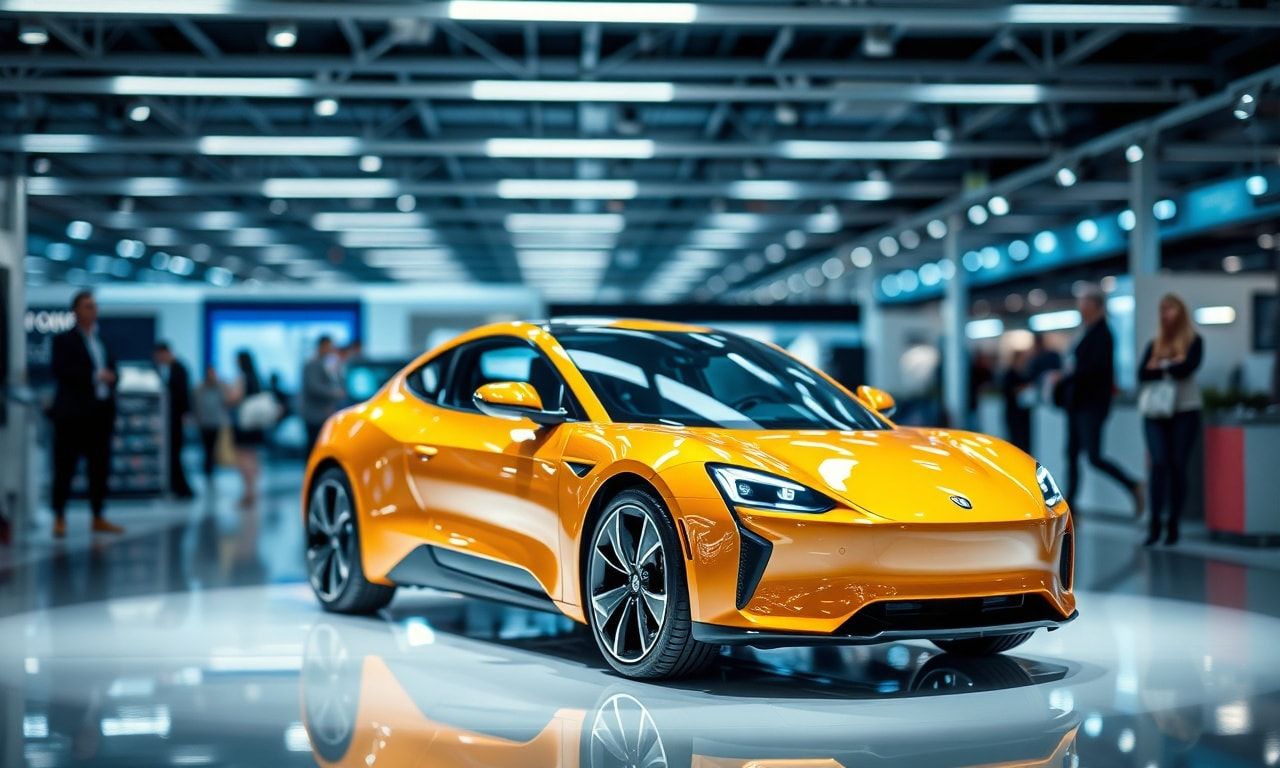
The Evolution of Automotive Technology
The automotive industry is undergoing a significant transformation, driven by rapid advancements in technology and shifting consumer preferences. From electric vehicles (EVs) to autonomous driving, the landscape is evolving at an unprecedented pace. This article explores the latest trends and innovations that are set to redefine the future of transportation.
The Rise of Electric Vehicles
Electric vehicles have emerged as a dominant force in the automotive market, with major manufacturers investing heavily in EV development. The shift towards electrification is driven by environmental concerns, government regulations, and technological advancements. Companies like Tesla, Honda, and BMW are leading the charge, introducing models that offer longer ranges, faster charging times, and improved performance. The Honda Civic, for instance, is expected to see significant tech updates and comparisons for 2026, reflecting the industry’s commitment to innovation. For more insights, check out the Honda Civic tech updates and comparisons for 2026.
Government Incentives and Regulations
Governments worldwide are implementing policies to promote the adoption of electric vehicles. Incentives such as tax credits, rebates, and subsidies are making EVs more affordable for consumers. Additionally, stricter emissions regulations are pushing manufacturers to develop cleaner and more efficient vehicles. These measures are accelerating the transition from internal combustion engines to electric powertrains, shaping the future of the automotive industry.
Autonomous Driving: The Next Frontier
Autonomous driving technology is another area of significant innovation. Companies like Waymo, Tesla, and Uber are investing billions in developing self-driving cars. The goal is to create vehicles that can navigate complex environments without human intervention. While fully autonomous vehicles are still a few years away, advancements in sensor technology, artificial intelligence, and machine learning are bringing us closer to this reality. The potential benefits include reduced traffic accidents, improved traffic flow, and increased mobility for elderly and disabled individuals.
Challenges and Considerations
Despite the promise of autonomous driving, several challenges remain. Safety concerns, regulatory hurdles, and ethical considerations are among the key issues that need to be addressed. Ensuring that autonomous vehicles can handle unpredictable situations and making them hack-proof are critical for widespread adoption. Additionally, the societal impact of autonomous driving, including job displacement for professional drivers, needs to be carefully managed.
The Role of Connectivity and IoT
The Internet of Things (IoT) is playing an increasingly important role in the automotive industry. Connected cars equipped with IoT devices can communicate with each other and with infrastructure, enabling a range of new features and services. These include real-time traffic updates, remote diagnostics, and over-the-air software updates. The integration of IoT technology enhances the driving experience, improves vehicle safety, and opens up new business models for automakers and service providers.
Cybersecurity Concerns
As vehicles become more connected, the risk of cyberattacks increases. Hackers can potentially gain control of critical systems, compromising vehicle safety and privacy. Automakers and tech companies are investing in robust cybersecurity measures to protect connected vehicles from cyber threats. This includes the use of encryption, secure communication protocols, and regular software updates to patch vulnerabilities.
Sustainability and the Future of Mobility
Sustainability is a key focus for the automotive industry. Beyond electric vehicles, manufacturers are exploring alternative fuels such as hydrogen and biofuels. Lightweight materials, improved aerodynamics, and efficient powertrains are also being developed to reduce the environmental impact of vehicles. The future of mobility is not just about individual cars but also about shared mobility solutions like car-sharing, ride-hailing, and micro-mobility options. These innovations aim to create a more sustainable and efficient transportation ecosystem.
The Impact of Urbanization
Rapid urbanization is driving demand for smart mobility solutions. Cities are becoming more congested, and traditional transportation systems are struggling to keep up. Innovations such as autonomous shuttles, electric scooters, and bike-sharing programs are emerging as viable alternatives. These solutions not only reduce traffic congestion but also lower emissions and improve the quality of life in urban areas.
The automotive industry is at the cusp of a transformative era. From electric vehicles to autonomous driving and connected cars, the innovations shaping the future of transportation are vast and varied. As technology continues to evolve, the industry must address the challenges and opportunities that come with these advancements. The future of mobility is not just about getting from point A to point B; it’s about creating a sustainable, efficient, and connected transportation ecosystem that benefits everyone.
As Lagos continues to evolve, discover the city’s tech advancements shaping its future in our latest feature.
To gain a deeper understanding of the evolving geopolitical landscape, consider exploring recent political developments worldwide, which offers an in-depth analysis of current events.
As extreme weather events continue to make headlines, take a closer look at the science behind global weather phenomena and their impacts.