
Tag: Premier League

Crystal Palace’s Daniel Munoz and Jefferson Lerma Reflect on FA Cup Victory
Colombian duo Daniel Munoz and Jefferson Lerma were over the moon after helping Crystal Palace secure their first major silverware. The Eagles clinched a 1-0 victory over Manchester City at Wembley to claim the...
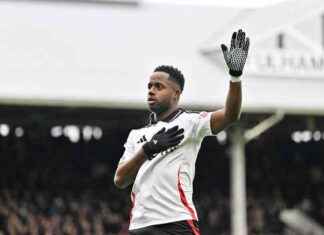
Fulham Manager Happy as Sessegnon Scores in Emotional Spurs Win
Fulham Triumphs Over Spurs with Sessegnon's Emotional Goal Fulham manager Marco Silva expressed his elation as Ryan Sessegnon scored a crucial goal against his former team, Tottenham Hotspur, leading the Cottagers to a 2-0 victory...
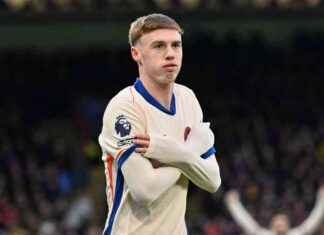
Chelsea Attacker Likely to Miss England Squad Due to Injury
Chelsea's Cole Palmer is facing the unfortunate possibility of missing out on the England squad due to an injury. The talented attacker, who hails from the Manchester City academy, was unable to participate in...
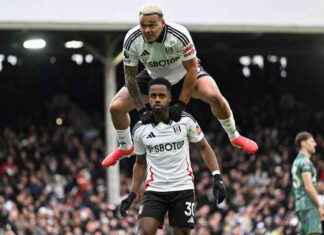
Fulham vs Tottenham Match Analysis: Sessegnon Haunts Spurs
A thrilling and action-packed Premier League match took place between Fulham and Tottenham Hotspur at Craven Cottage on 16 March 2025, with the former emerging victorious with a 2-0 win. Goals from Rodrigo Muniz...
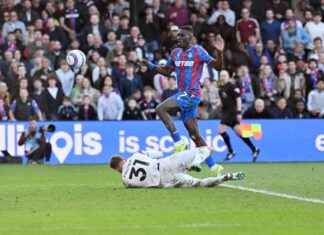
Crystal Palace vs Ipswich Match Recap: Sarr Shines in Victory
Crystal Palace clinched their third consecutive Premier League victory in a thrilling match against Ipswich Town, with Ismaila Sarr emerging as the hero of the day. The game took place at Selhurst Park on...
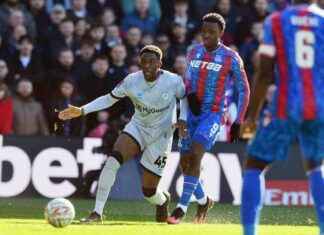
Eddie Nketiah reflects on Crystal Palace move and future plans
Eddie Nketiah, known for his impressive performance in Crystal Palace's recent games, shared his reflections on his current position and future aspirations. The 25-year-old striker, hailing from Deptford, scored his first Premier League goal...
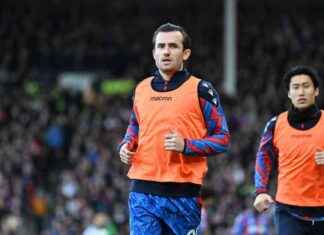
Crystal Palace Boss Revives Career: Chelsea Defender Loaned for FA Cup Clash
Crystal Palace Boss Revives Career: Chelsea Defender Loaned for FA Cup Clash In a surprising turn of events, Chelsea loanee Ben Chilwell has been granted his first starting position for Crystal Palace in their fifth-round...
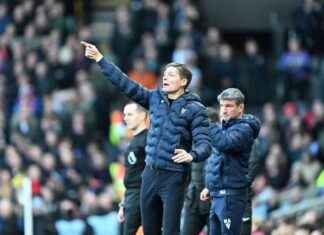
Analyzing Oliver Glasner’s Insights on Aston Villa vs Crystal Palace Form
Crystal Palace continues to shine on the road, securing a remarkable six-game unbeaten streak away from home with a decisive 2-0 victory over Fulham. This success marks a historic milestone for the team, as...
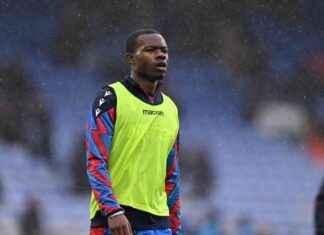
Crystal Palace Manager’s Decision on Mitchell vs Chilwell for Everton Game
Crystal Palace Manager's Decision on Mitchell vs Chilwell for Everton Game Crystal Palace manager Oliver Glasner is facing a tough decision as he navigates the choice between Tyrick Mitchell and Ben Chilwell for the starting...
Oliver Glasner’s Analysis of Crystal Palace’s Transfer Window
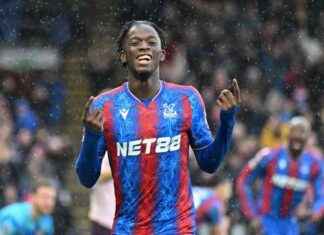
Crystal Palace's Successful January Transfer Window Crystal Palace's manager, Oliver Glasner, expressed his satisfaction with the club's performance in the January transfer window. The Eagles made significant moves to bolster their squad, with the signing...
Chelsea Players Earn Praise for Derby Win Mentality
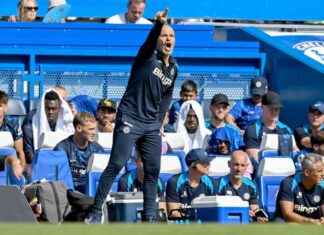
Chelsea Players Shine in Derby Victory Chelsea's thrilling 2-1 win over West Ham on Monday night showcased the incredible mentality of the team, as highlighted by coach Enzo Maresca. Despite falling behind to a goal...
Mateta shines with brace in Crystal Palace’s win over Man United
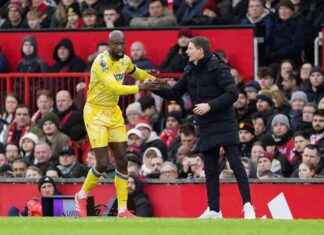
Crystal Palace delivered a stunning performance at Old Trafford, claiming a memorable victory over a lackluster Manchester United on Sunday. Led by the impressive Jean-Philippe Mateta, Palace outclassed their opponents with a second-half brace,...
How to Stop Arsenal’s Saka: Crystal Palace Boss Tasks Tyrick Mitchell
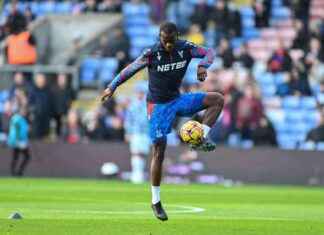
Tyrick Mitchell's Defensive Battle Against Arsenal's Saka Crystal Palace boss Oliver Glasner has set his sights on a crucial defensive battle as his team prepares to face Arsenal, with Tyrick Mitchell tasked with stopping the...
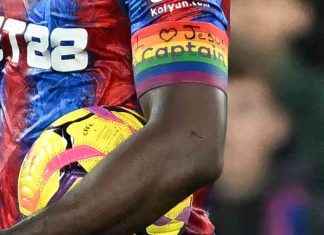
Crystal Palace’s Marc Guehi Avoids FA Punishment for Religious Message on Rainbow Armband
Crystal Palace's Marc Guehi Escapes FA Punishment for Religious Message on Rainbow Armband Crystal Palace defender Marc Guehi has been cleared of any formal action by the Football Association (FA) after he inscribed a 'Jesus...
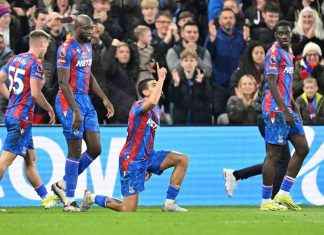
Crystal Palace 1 Newcastle 1 Match Recap: Munoz Saves Point, Eagles Exit Relegation Zone...
Crystal Palace managed to salvage a point in their match against Newcastle thanks to a late goal from Daniel Munoz in the 93rd minute. The Eagles dominated the game with 16 shots compared to...
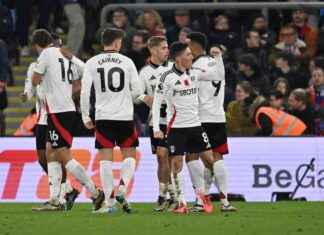
Crystal Palace Admits Mistakes in Defeat to Fulham: Oliver Glasner’s Revelation
Oliver Glasner, the manager of Crystal Palace, openly admitted that his team made crucial mistakes in their recent 2-0 defeat to Fulham. This defeat marked the first time this season that Glasner felt his...
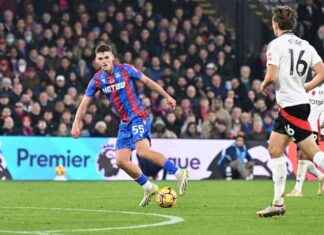
Oliver Glasner Assesses Justin Devenny’s Crystal Palace Debut and Marc Guhei’s Tactical Switch
Crystal Palace's manager, Oliver Glasner, expressed his thoughts on Justin Devenny's Premier League debut and Marc Guehi's tactical switch in a recent match. Devenny, a 21-year-old academy graduate from Airdrieonians, was given the opportunity...
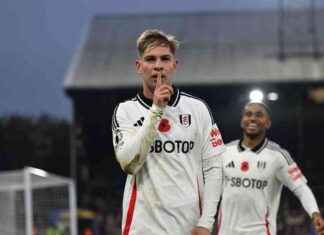
Fulham Manager Silva Praises Smith Rowe and Iwobi as Top Performers
Fulham Manager Marco Silva is full of praise for Alex Iwobi and Emile Smith Rowe following their impressive performances in the Whites' 2-0 victory over Crystal Palace. Silva highlighted Iwobi as the standout player...

Crystal Palace Manager Takes Blame for Eddie Nketiah’s Hamstring Injury
Crystal Palace's manager, Oliver Glasner, has taken full responsibility for Eddie Nketiah's recent hamstring injury, which will force the striker to miss the upcoming Premier League match against Fulham. Nketiah, who joined Palace from...
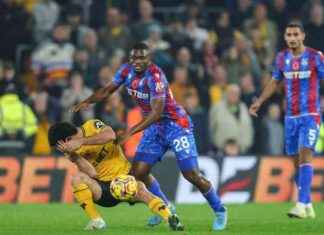
Title: Crystal Palace Manager’s Assessment of Cheick Doucoure’s Premier League Readiness
Crystal Palace manager Oliver Glasner emphasized the importance of having players at their peak fitness levels for the upcoming Premier League match against Fulham. Cheick Doucoure, who recently returned to action in the draw...
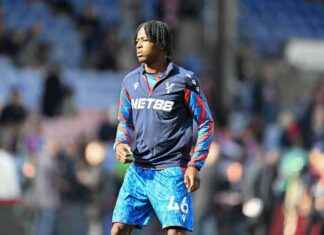
Crystal Palace Manager Oliver Glasner Dealing with More Injuries as Youngster Suffers Hamstring Issue
Crystal Palace's manager, Oliver Glasner, is facing more challenges as youngster Franco Umeh suffers a hamstring injury, according to reports from the South London Press. Umeh, who is part of the Ireland U21 international...
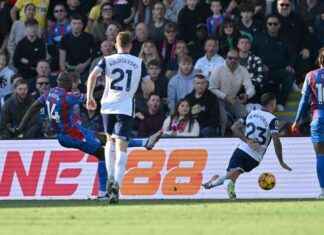
Oliver Glasner Unconcerned About Crystal Palace Sack After First Premier League Win
Oliver Glasner was not worried about his future at Crystal Palace, even though his team secured their first victory of the 2024-25 Premier League season with a 1-0 win against Tottenham Hotspur at Selhurst...
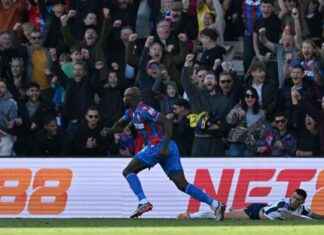
Crystal Palace’s First Premier League Win: Keith Gillard’s Picture Gallery
Crystal Palace secured their first win of the 2024-25 Premier League season with a 1-0 victory over Tottenham Hotspur, thanks to Jean-Philippe Mateta's first-half goal. The win not only lifted the spirits of the...
Oliver Glasner on Limited Premier League Starts for Summer Signing
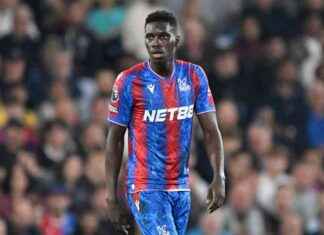
Crystal Palace manager Oliver Glasner has spoken out about Ismaila Sarr's limited starts in the Premier League, attributing it to the player's impactful performances coming off the bench. Sarr, who was signed from Marseille...
Crystal Palace Manager Oliver Glasner Faces Unfair Expectations after Last Season’s Success
Crystal Palace manager Oliver Glasner is feeling the pressure as his team struggles to replicate the success of their incredible run at the end of last season. The Eagles won six out of their...
Crystal Palace’s Oliver Glasner Considers Formation Change to End Winless Start
Crystal Palace is facing a tough start to the season, with coach Oliver Glasner contemplating a change in formation to address their goal-scoring woes. The team's recent 1-0 defeat against Nottingham Forest highlighted their...
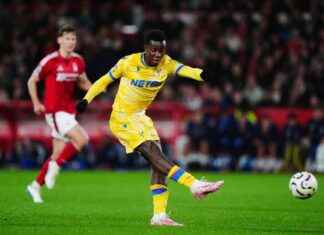
Oliver Glasner Admits Crystal Palace’s Winless Premier League Start
Crystal Palace manager Oliver Glasner has acknowledged that the team's winless start to the 2024-25 Premier League season can be attributed to a lack of confidence. The Eagles suffered a 1-0 defeat against Nottingham...
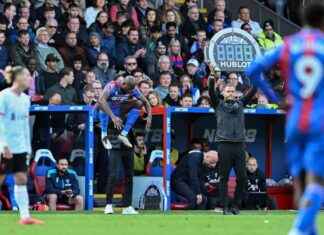
Crystal Palace vs. Liverpool Match Recap: Eagles Still Winless, Munoz Injury Worries – Premier...
Crystal Palace faced off against Liverpool in a Premier League match that ended with a 1-0 victory for Liverpool. This defeat means that Crystal Palace is still without a win in the 2024-25 season...
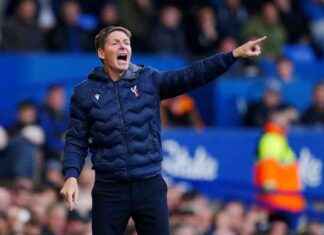
Oliver Glasner Unconcerned About Crystal Palace Squad Amid Winless Start: Here’s Why
Crystal Palace manager Oliver Glasner remains unfazed by his team's winless start to the 2024-25 season. Despite only picking up three points so far, with draws against Chelsea, Leicester, and Manchester United, Glasner believes...
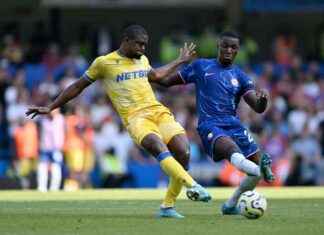
Crystal Palace Midfielder Set for Several Weeks Out Due to Injury, Oliver Glasner Provides...
Crystal Palace midfielder Cheick Doucoure will be sidelined for several weeks due to a toe injury he sustained during the recent 2-2 draw with Leicester. This setback comes as the Mali international was just...
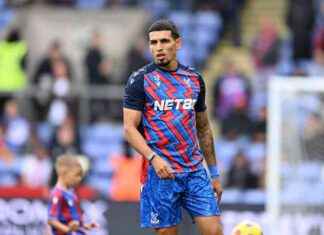
Optimizing Daniel Munoz’s Playing Time: Crystal Palace Manager Oliver Glasner’s Inquiry
Crystal Palace manager Oliver Glasner is not worried about Daniel Munoz's workload but plans to give the Colombian player two days off after the upcoming game against Manchester United. Munoz, who has been a...