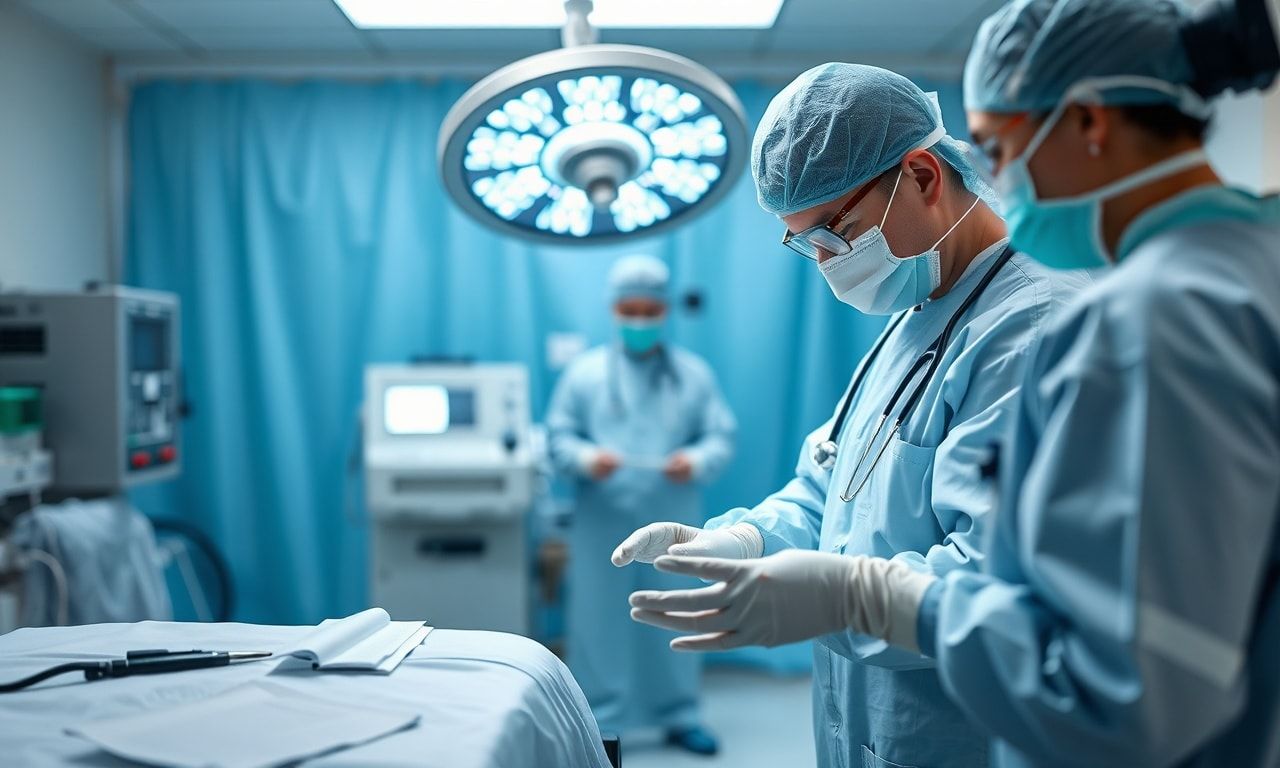
Introduction
The healthcare systems around the world vary significantly in their structure, funding, and efficiency. One critical aspect of any healthcare system is its emergency care services. This article explores the state of emergency care in different regions, highlighting both challenges and innovations.
Emergency Care in the Netherlands
The Netherlands has been making strides in improving its emergency care services. Recent reports indicate a focus on reducing wait times and enhancing the quality of care. For instance, the Utrecht region has seen notable improvements in emergency care, with initiatives aimed at streamlining processes and ensuring timely treatment. According to spoedzorg utrecht ziekenhuis wachttijden, the Utrecht hospital has implemented new protocols to manage patient flow more effectively, resulting in shorter wait times and better patient outcomes.
Innovations in Emergency Care
One of the key innovations in the Netherlands is the use of telemedicine to triage patients before they arrive at the hospital. This approach helps in prioritizing cases and reducing the burden on emergency departments. Additionally, the integration of electronic health records has improved the coordination of care among different healthcare providers, ensuring that patients receive comprehensive and continuous treatment.
Emergency Care in the United Kingdom
The United Kingdom’s National Health Service (NHS) has faced significant challenges in recent years, particularly in the realm of emergency care. Long wait times and overcrowded emergency departments have been persistent issues. However, efforts are being made to address these problems through various initiatives. For example, the NHS has introduced the ‘Urgent Treatment Centres’ to handle less severe cases, thereby alleviating the pressure on emergency departments.
Challenges and Solutions
One of the main challenges in the UK is the high demand for emergency services, which is often exacerbated by a lack of primary care options. To tackle this, the NHS has been investing in community-based care and promoting the use of online services for minor ailments. These measures aim to redirect patients to more appropriate care settings, ultimately reducing the strain on emergency departments.
Emergency Care in the United States
The United States has one of the most advanced healthcare systems in the world, but it also faces significant challenges in emergency care. The high cost of healthcare and the lack of universal coverage are major issues that impact the accessibility and quality of emergency services. Despite these challenges, the US has made significant advancements in emergency medical technology and trauma care.
Technological Advancements
Technological innovations have played a crucial role in improving emergency care in the US. The use of advanced imaging techniques, such as CT scans and MRIs, has enhanced the accuracy of diagnoses. Additionally, the implementation of electronic health records has improved the coordination of care among different healthcare providers. These advancements have contributed to better patient outcomes and more efficient emergency care.
Conclusion
Emergency care is a critical component of any healthcare system, and the challenges and innovations in this field vary significantly across different regions. While the Netherlands and the United Kingdom are focusing on reducing wait times and improving coordination, the United States is leveraging technological advancements to enhance the quality of care. By learning from each other’s experiences, healthcare systems worldwide can continue to improve and provide better emergency care for their populations.
As healthcare systems worldwide face unprecedented challenges, examining effective models like the Netherlands’ GP services can offer valuable insights, as discussed in lessons from Dutch healthcare.
In the midst of our fast-paced lives, discovering ways to enhance daily living can be crucial; learn how to improve your lifestyle with practical tips.
As cyber threats continue to evolve, understanding how to secure your digital communication is more important than ever; our latest feature, protecting your Gmail account, offers essential guidance.