Understanding Aydın depo çatısı güneş enerjisi sistemi: practical guide
A clear explainer for readers on how a solar roof system for a warehouse works, why it matters, and practical options and pitfalls to consider.

What a solar roof system does for a warehouse and why it matters to readers who follow energy and infrastructure news. The explainer shows the basic idea, the benefits, and common questions around implementing a solar roof for a commercial building. It also flags practical considerations readers can verify with local installers and authorities.
The first step to understanding is to know the core function: panels mounted on a roof capture sunlight and convert it into usable electricity. This reduces grid dependence and can cut operating costs over time. The article moves from fundamentals to practical choices, with a focus on what readers outside the industry should know.
Beyond the basics, readers will see how installation choices affect performance, costs, and maintenance. The piece avoids hype and sticks to verifiable, real-world concerns like roof integrity, insulation, and local permitting. Throughout, the aim is to give readers concrete steps they can take when evaluating a solar roof for a warehouse.
In short:- A solar roof system converts daylight into electricity for a warehouse, reducing grid dependence and operating costs. Installation requires structural checks, weatherproof mounting, and safe electrical work. Readers should evaluate roof suitability, local rules, and long-term maintenance when considering this option.
- Options vary from module types to financing models, with trade-offs between upfront cost and long-term savings. Incentives can influence economics, but due diligence on warranties and performance projections is essential. Planning should include a realistic maintenance plan and a clear understanding of operator responsibilities.
- Common pitfalls include underestimating roof load, ignoring drainage, or skipping safety certifications. Transparent comparisons of installers and warranties help readers avoid overpromising. Structured maintenance and monitoring ensure the system remains productive over time.
- Readers should walk through a checklist: roof assessment, equipment sizing, contract terms, and a realistic maintenance plan. This approach helps ensure the system supports warehouse operations without compromising safety or budget.
- Basics of solar roof systems
- How it’s installed and connected
- Options and configurations
- Common pitfalls and warnings
- Advanced integration and monitoring
- Economic and policy considerations
- Real-world case considerations
- Final checks and next steps
- Frequently asked questions
- Closing considerations
Basics of solar roof systems
What it is and how it works
A solar roof system combines photovoltaic panels, mounting hardware, and a power delivery system to convert sunlight into electricity. The panels sit on the roof, wired to an inverter that makes the DC current usable by building equipment. A monitoring setup tracks output and alerts for faults, helping building managers stay informed. A useful resource on this topic: Aydın depo çatısı güneş enerjisi sistemi.
Key takeaways:- Solar roof systems convert sunlight into usable electricity
- Optimal sizing matches daytime energy use
- Monitoring helps maintain performance
In most installations, the system is designed to meet a portion of the building’s load, with headroom for sunny days. This means the warehouse can continue operations even with partial generation. The key idea is to balance upfront cost with long-term energy savings.
For readers, think of the system as a roof-mounted generator that uses daylight, not fuel. The value comes from reducing energy drawn from the grid when demand spikes.
- Choose a system sized to your peak daytime load
- Consider roof conditions and load-bearing limits
- Plan for inverter capacity and battery options
- Check local permits and grid interconnection rules
- Schedule regular maintenance checks
Why it matters for warehouses
Warehouses often run equipment and climate control for long hours, making energy a major overhead. A roof solar system can lower electricity bills and reduce emissions from daily operations. The impact depends on roof orientation, shading, and local sun exposure.
Installations must consider roof integrity, drainage, and future renovations. Retrofit plans should include access for maintenance and potential panel upgrades. Beneficial programs might exist for commercial solar projects, but readers should verify eligibility and timelines.
For news readers, the practical takeaway is to assess whether a solar roof aligns with a warehouse’s operating patterns and local rules. It’s not a universal solution, but it can be a meaningful efficiency upgrade in suitable sites.
How it’s installed and connected
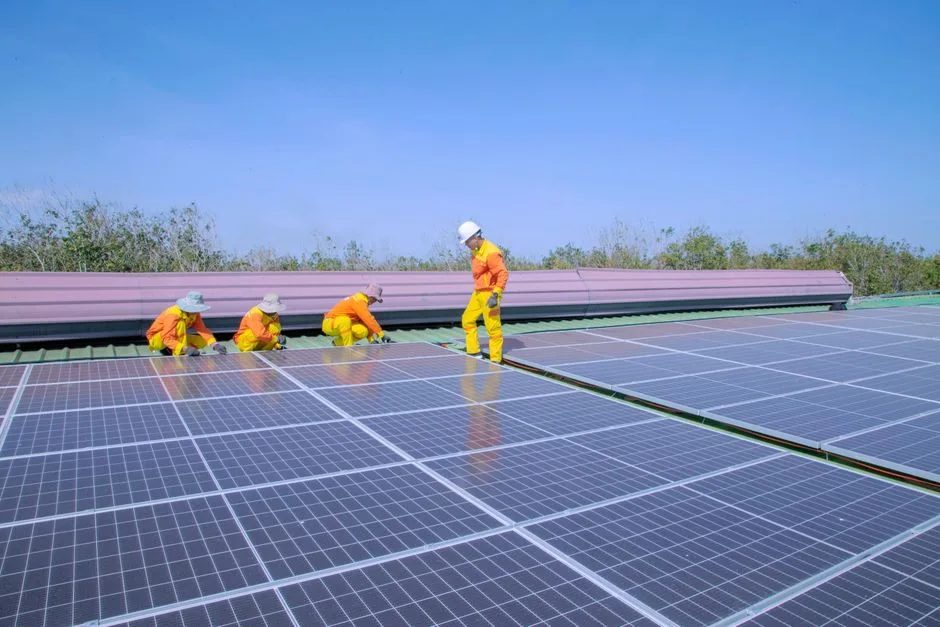
Site preparation and mounting
Preparation involves inspecting the roof structure to support the weight of panels and hardware. Contractors may reinforce decking or adjust waterproofing to prevent leaks. Proper mounting avoids winging or movement during wind events and ensures long-term durability.
1-2 key box✗ Roof assessment should determine load and waterproofing needs.✓ Installation should avoid compromising drainage and ventilation.Installers place panels in optimal angles for sun exposure, keeping clearance from vents and skylights. They run cables safely, with attention to weatherproof transitions and protection against abrasion. System grounding and electrical code compliance are central throughout.
Good timing includes coordinating with building operations to minimize disruption and ensuring access for future maintenance. A well-planned laydown area helps keep the job orderly and safe.
- Assess roof loading and condition
- Coordinate with operations to minimize downtime
- Ensure water-tight seals around penetrations
- Verify electrical code compliance and grounding
- Plan for post-install testing and commissioning
Options and configurations
Choosing modules and inverters
Module choice hinges on efficiency, durability, and warranty length. Inverters should match the expected load profile and offer reliability for continuous operation. Track and sun exposure considerations help determine whether fixed or tracking systems are appropriate.
Myth vs fact: Myth: All solar roofs are the same quality. Fact: Quality varies by materials, mounting systems, and workmanship.Fabrication quality, mounting compatibility, and installer experience influence long-term performance more than flashy specifications. Endurance under local weather conditions and maintenance demands shape the total cost of ownership.
Readers should compare warranties, service plans, and energy yield estimates from credible installers. A prudent choice balances upfront price with expected lifetime savings.
- Evaluate module efficiency and thermal performance
- Match inverter capacity to daytime load
- Consider maintenance needs and warranty terms
- Assess expected energy yield with local sun patterns
- Avoid overreliance on promotional ratings
| Option | Pros | Cons |
|---|---|---|
| Fixed panels | Low maintenance | Less energy in winter or when sun is lower |
| Tracking systems | Higher potential yield | More moving parts and maintenance |
| Lease or PPA | Lower upfront | Ongoing payments and total cost |
Financing and incentives
Financing options range from outright purchase to leases or power purchase agreements. Each approach affects cash flow, depreciation, and maintenance responsibility. Local incentives can influence the overall economics but often require long-term commitments and compliance with program rules.
Deal with reputable lenders and installers who provide transparent cost breakdowns and performance assumptions. Ask for a simple, year-by-year projection of savings. Confirm how maintenance and insurance are handled under each model.
Thorough due diligence helps avoid surprises when tax or incentive rules change. Readers should plan for the long horizon of a commercial solar project and keep records for audits or reviews.
- Compare total cost of ownership
- Validate performance projections
- Confirm maintenance and insurance terms
- Understand tax and incentive requirements
- Check contract termination terms
Roof installs add weight and can affect drainage or fire safety compliance.
Common pitfalls and warnings
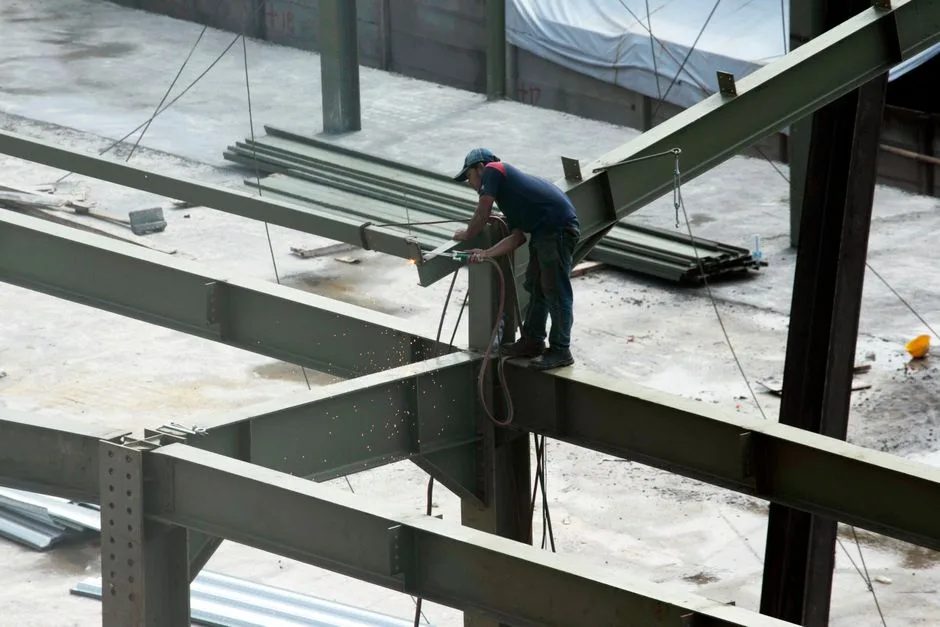
Avoiding structural and safety risks
Roof installs add weight and can affect drainage or fire safety compliance. A thorough inspection should precede any order, with a structural engineer consulted if needed. Skipping this step risks leaks, failures, and higher maintenance costs later.
Warning: Avoid retrofitting without a structural check.Ensure electrical safety with proper conduit routing, weatherproof seals, and compliant disconnects. Inverter placement should avoid heat build-up and be accessible for maintenance. Documentation should cover emergency shut-off procedures.
Factory- or warehouse-specific constraints, such as roof vents or skylights, require tailored layouts. The goal is to maintain existing operations while adding a generation source that won’t compromise safety or accessibility.
- Do not overlook structural integrity
- Do not ignore drainage and fire safety rules
- Do not bypass electrical safety standards
- Do not neglect access for maintenance and emergencies
Operational and maintenance challenges
Solar roofs need cleaning, occasional panel tests, and inverter monitoring. In hot climates, performance can dip if panels overheat or shading changes. Establish a routine to verify output against expected performance.
Plan for seasonal checks and a quick response to any faults or alarms. A simple workflow helps technicians identify whether issues are with the panels, wiring, or the inverter.
Create a maintenance calendar that coordinates with other roof work to minimize disruption. This helps keep the system reliable over its life.
- Set a maintenance cadence
- Monitor performance and alarms
- Prepare for seasonal checks
- Coordinate with roof access schedules
Advanced integration and monitoring
Digital monitoring interfaces
Solar roof systems often include a monitoring dashboard that shows production, consumption, and storage in real time. Users can spot underperforming panels and identify shading issues quickly. Clear data helps prioritize maintenance without guesswork and reduces downtime.
Monitoring basics:- Understand the layout of the dashboard and what each metric means.
- Set up automatic alerts for drops in production or unusual usage.
- Schedule a quarterly review to compare current data with the prior year.
This section explains how to read a typical interface and what metrics matter most for reliability. It also covers alert settings that notify homeowners when performance deviates from expected ranges. Practical steps include checking connections and verifying inverter status during routine checks.
To avoid confusion, compare day-to-day graphs rather than single-point readings. Look for consistent production during peak sun hours and note any unexplained drops. Keeping a simple log helps track seasonal changes and system aging.
Economic and policy considerations

Costs and incentives overview
Cost considerations include upfront equipment, installation, and potential financing. The goal is to weigh total expenditure against anticipated savings and payback period. This helps readers assess whether a system fits their household budget.
Economic planning:- List all upfront costs and ongoing maintenance expenses.
- Model potential savings using your past energy bills.
- Factor in potential policy changes when projecting returns.
Policy factors such as subsidies, feed-in tariffs, or net metering rules can affect returns. Changes to incentives may alter expected savings over time. Deliberate planning can minimize risk of overstating benefits.
Always verify local programs and eligibility requirements before committing to a project. Gather documentation early and ask installers for written estimates that separate equipment, labor, and permit fees.
- Compare quotes from multiple installers
- Check eligibility for local incentives
- Estimate potential energy savings with your usage pattern
- Consider future home energy needs
Real-world case considerations
Site and roof suitability
Real-world installations start with a site assessment that includes roof orientation, tilt, and shading from nearby structures or trees. These factors determine panel count and orientation. Acknowledge that some roofs need reinforcement or repairs before mounting equipment.
Site planning: Record roof orientation and estimated shading periods.Assessing electrical capacity is essential. A professional should verify service panel space and conduit routes to avoid overloads or code issues. Safety and performance hinge on correct sizing and wiring.
Quality of installation practices matter as much as equipment quality. Poor sealing or cable management can lead to water intrusion or heat buildup. Site-specific design reduces future maintenance and enhances long-term performance.
- Roof orientation and shading checks
- Electrical capacity assessment
- Quality mounting and weather sealing
Final checks and next steps

Ready-to-go checklist
A thorough checklist helps ensure a smooth transition from planning to operation. It covers permits, equipment delivery, and system commissioning. Following a checklist reduces the chance of missed steps and delays.
Final readiness: Confirm permits and inspections are passed.This stage also includes commissioning tests that verify safety interlocks, wiring integrity, and inverter communication. A qualified technician should confirm that the system runs within expected voltage and current ranges.
Post-installation steps include monitoring setup, maintenance scheduling, and a plan for future expansions as energy needs change.
- Permit and inspection completion
- System commissioning by licensed pro
- Set up ongoing monitoring and maintenance schedule
Frequently asked questions
What affects the payback time for a solar roof system?Payback depends on upfront costs, available incentives, and how much electricity the system offsetting your typical use. Real-world timelines vary with climate, roof orientation, and energy prices. Readers should use a conservative estimate and verify it with a local installer.
Can a solar roof system be expanded later?Yes, many systems are designed to add more panels or upgrade inverters as needs grow. Modifications require rebalancing the electrical load and may involve additional permitting. Start with a flexible plan that accommodates future home energy needs.
What maintenance is truly required?Most systems require little maintenance beyond keeping panels clean and ensuring inverters and safety devices function. In dusty or wooded areas, occasional cleaning in dry conditions can help. A professional should inspect electrical connections during routine service.
How do incentives affect installation decisions?Incentives influence upfront cost and longer-term returns, but policy details can change. Verify current programs, eligibility, and any sunset dates before signing a contract. Keep documentation handy for tax or subsidy claims.
Closing considerations
Understanding how a solar roof system integrates with home energy requires attention to both technical and policy factors. By researching site suitability, monitoring options, and future needs, readers can approach installations with confidence. The next step is to obtain multiple quotes and insist on clear, written terms that cover performance targets and maintenance.
A practical path forward is to finalize a plan that includes a budget, a timelines, and a maintenance schedule, plus a test of the monitoring tool before activation. This helps ensure the system performs as expected and supports ongoing energy management.
Add London Headlines as a preferred source on Google