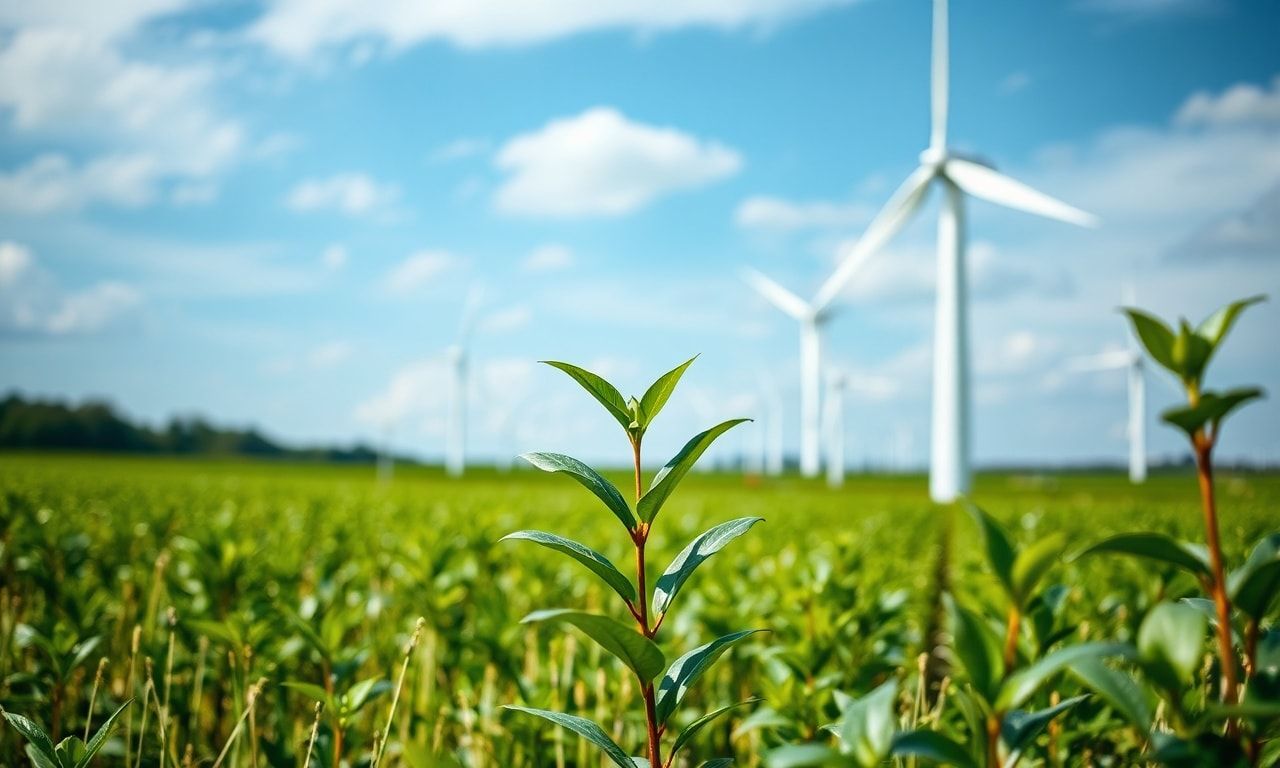
The State of the UK’s Green Energy Sector
The United Kingdom’s green energy sector is at a crossroads, facing both unprecedented challenges and remarkable opportunities. As the world grapples with the aftermath of the COVID-19 pandemic and geopolitical tensions, the UK’s commitment to achieving net-zero carbon emissions by 2050 is being tested. This article delves into the current state of the green energy sector, the hurdles it faces, and the potential pathways to a sustainable future.
Challenges in the Green Energy Transition
The transition to green energy is fraught with challenges. One of the most significant hurdles is the intermittent nature of renewable energy sources like wind and solar. Unlike fossil fuels, which provide a consistent energy supply, renewable sources are dependent on weather conditions, making it difficult to ensure a steady energy supply. Additionally, the infrastructure required to support a fully renewable energy grid is still under development, requiring substantial investment and technological advancements.
Another critical challenge is the geopolitical landscape. The ongoing conflict in Ukraine has highlighted the vulnerabilities in global energy supply chains. Many countries, including the UK, have had to reassess their energy strategies in light of these uncertainties. The current affairs analysis update suggests that the UK must diversify its energy sources to reduce dependence on volatile international markets.
The Role of Government and Policy
Government policies play a pivotal role in shaping the future of the green energy sector. The UK has made significant strides with initiatives like the Contracts for Difference (CfD) scheme, which provides financial incentives for renewable energy projects. However, experts argue that more needs to be done to accelerate the transition. This includes streamlining planning permissions for renewable energy projects, increasing investment in research and development, and providing better support for communities affected by the transition.
Moreover, the UK’s departure from the European Union has added another layer of complexity. The loss of EU funding and regulatory alignment has created uncertainties for the green energy sector. The government must work closely with industry stakeholders to navigate these challenges and ensure that the UK remains at the forefront of the global green energy revolution.
Innovation and Technological Advancements
Innovation is key to overcoming the challenges faced by the green energy sector. Breakthroughs in energy storage technologies, such as advanced batteries and hydrogen fuel cells, are crucial for addressing the intermittency issue. These technologies can store excess energy generated during peak production times and release it when demand is high, ensuring a stable energy supply.
Furthermore, advancements in smart grid technologies are revolutionizing the way energy is distributed and managed. Smart grids use real-time data and advanced algorithms to optimize energy flow, reducing waste and improving efficiency. The integration of artificial intelligence (AI) and machine learning (ML) in energy management systems is also opening up new possibilities for predictive maintenance and demand forecasting.
The Path Forward
The path forward for the UK’s green energy sector is multifaceted. It requires a combination of robust government policies, significant private sector investment, and continuous innovation. Collaboration between industry, academia, and government is essential to drive the necessary changes and ensure a sustainable energy future.
As the world moves towards a low-carbon future, the UK has the opportunity to position itself as a leader in the green energy sector. By addressing the current challenges and leveraging technological advancements, the UK can achieve its net-zero targets and pave the way for a cleaner, more sustainable future.
In the realm of climate action, Birmingham is making significant strides; explore the city’s ambitious carbon neutral plan in our latest report.
To gain a deeper understanding of the current landscape, consider exploring UK crime trends and patterns in our latest regional analysis.