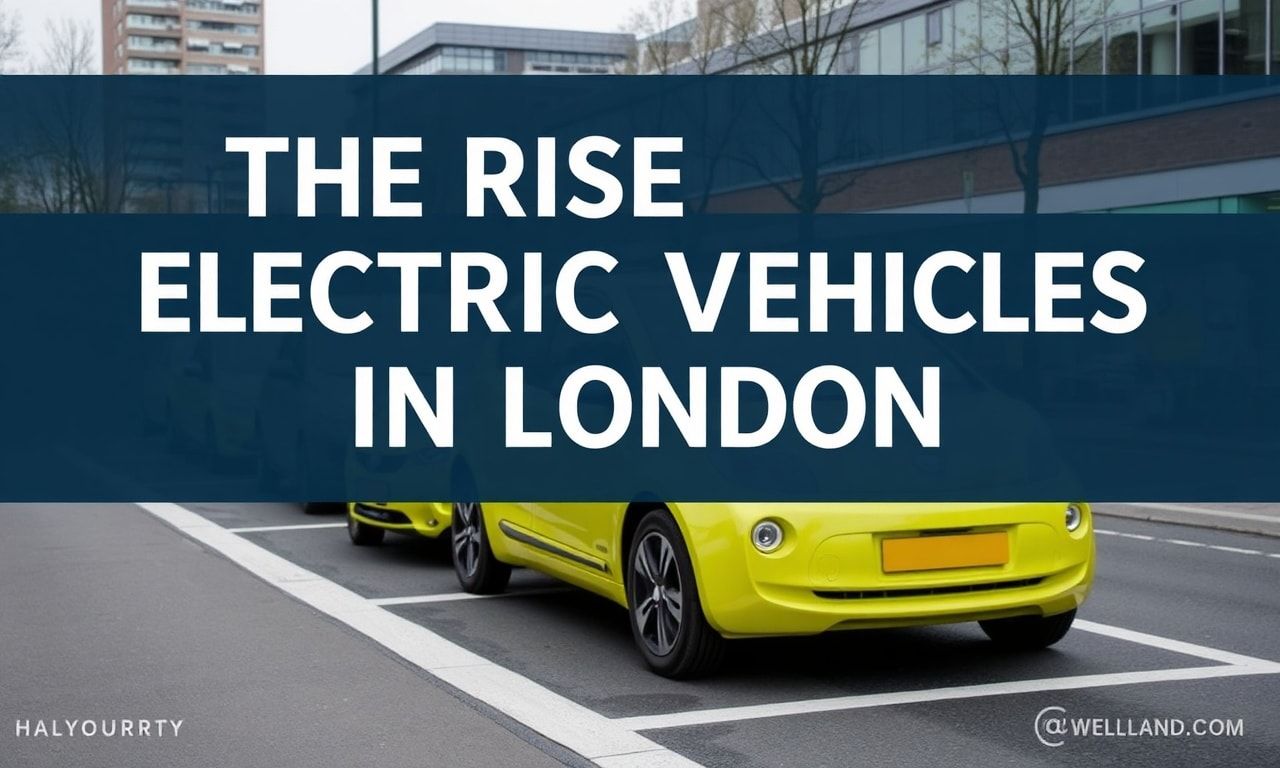
The Electrifying Shift in London’s Transportation
London, a city known for its rich history and bustling streets, is undergoing a significant transformation in its transportation sector. The rise of electric vehicles (EVs) is not just a trend but a revolution that is reshaping the way Londoners commute. This shift is driven by a combination of environmental concerns, technological advancements, and government incentives. As the city strives to reduce its carbon footprint, EVs are becoming an increasingly popular choice among residents and businesses alike.
The Environmental Impact of Electric Vehicles
The environmental benefits of electric vehicles are undeniable. Unlike traditional internal combustion engine vehicles, EVs produce zero tailpipe emissions, significantly reducing air pollution. This is particularly crucial for London, which has long struggled with high levels of air pollution. The city’s air quality has been a major concern, with studies linking it to various health issues. The adoption of EVs is a step towards mitigating these problems, contributing to a healthier and more sustainable urban environment.
Moreover, the shift to electric vehicles aligns with the UK’s broader environmental goals. The government has set ambitious targets to achieve net-zero carbon emissions by 2050. Electric vehicles play a pivotal role in this strategy, as they help reduce greenhouse gas emissions from the transportation sector, which is one of the largest contributors to the UK’s carbon footprint.
Government Incentives and Policies
The UK government has implemented several incentives to encourage the adoption of electric vehicles. These include grants for purchasing EVs, tax benefits, and subsidies for installing home charging points. In London, the Ultra Low Emission Zone (ULEZ) has been expanded to further incentivize the use of low-emission vehicles. These policies are designed to make electric vehicles more accessible and appealing to a wider audience, accelerating the transition away from fossil fuel-dependent transportation.
Additionally, the government has invested heavily in the development of charging infrastructure. The number of public charging points in London has been increasing rapidly, making it more convenient for EV owners to charge their vehicles. This infrastructure development is crucial for the widespread adoption of electric vehicles, as it addresses one of the main concerns potential buyers have about EVs: range anxiety.
The Role of Technology in the EV Revolution
Technological advancements have played a significant role in the rise of electric vehicles. Battery technology, in particular, has seen remarkable improvements. Modern EVs can travel longer distances on a single charge, and charging times have been significantly reduced. These advancements have made electric vehicles more practical for everyday use, addressing some of the initial reservations people had about switching to EVs.
Furthermore, the integration of smart technology in EVs has enhanced the driving experience. Features such as remote diagnostics, over-the-air updates, and advanced driver-assistance systems (ADAS) have made EVs not only more efficient but also safer and more enjoyable to drive. These technological innovations are driving the popularity of electric vehicles, making them a preferred choice for many Londoners.
Challenges and Considerations
Despite the numerous benefits, the transition to electric vehicles is not without its challenges. One of the main concerns is the initial cost of purchasing an EV, which can be higher than that of a traditional vehicle. However, the long-term savings on fuel and maintenance costs often offset this initial investment. Additionally, the availability of charging infrastructure, while improving, still varies across different parts of London. Ensuring equitable access to charging points is essential for the widespread adoption of EVs.
Another consideration is the environmental impact of battery production and disposal. While EVs produce zero tailpipe emissions, the manufacturing process of batteries can be resource-intensive and environmentally damaging. Addressing these issues through sustainable practices and recycling programs is crucial for ensuring the long-term environmental benefits of electric vehicles.
The Future of Electric Vehicles in London
The future of electric vehicles in London looks promising. With continued government support, technological advancements, and increasing public awareness, the adoption of EVs is expected to grow exponentially. The city is likely to see a significant reduction in air pollution and a more sustainable transportation system in the coming years.
Moreover, the shift to electric vehicles is part of a broader global trend towards sustainability. As more cities around the world embrace EVs, London is well-positioned to lead by example. The city’s commitment to reducing its carbon footprint and improving air quality sets a positive precedent for other urban centers.
For those considering making the switch to an electric vehicle, it’s essential to stay informed about the latest developments and maintenance tips. Websites like elektrikli araba bakım ipuçları offer valuable resources and advice on maintaining and optimizing the performance of electric vehicles. This knowledge is invaluable for ensuring a smooth transition to electric mobility.
In conclusion, the rise of electric vehicles in London represents a significant step towards a more sustainable and environmentally friendly future. With continued support and innovation, the city is poised to lead the way in the global shift towards electric mobility.
As the world shifts towards greener alternatives, our latest feature, sustainable living essentials, offers an in-depth look at the latest trends in eco-friendly transportation and beyond.
As global conversations around climate change intensify, many are seeking practical ways to reduce their environmental impact; our guide on adopting sustainable practices at home offers actionable steps to make a difference.
As electric vehicles gain momentum worldwide, our latest feature examines the global infrastructure shift supporting this growing industry.