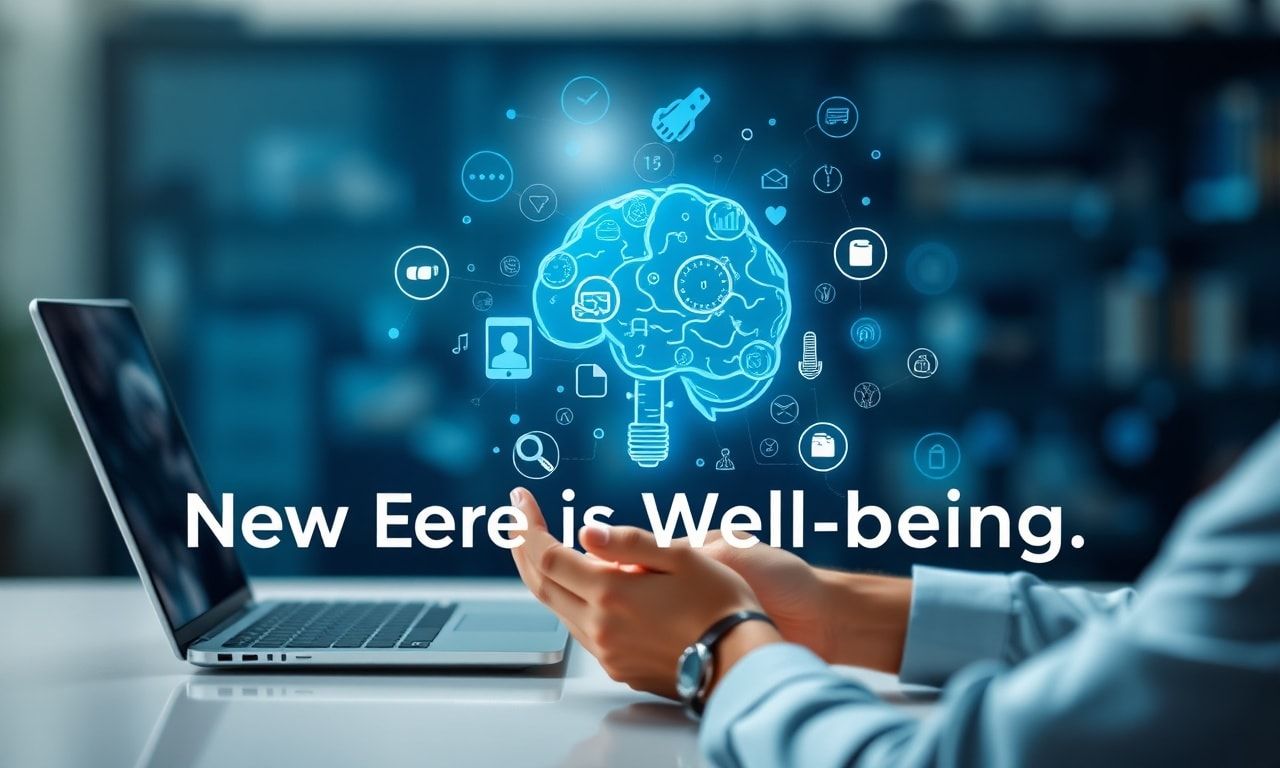
The Rise of Digital Mental Health Solutions
The digital age has brought about a revolution in many aspects of our lives, and mental health is no exception. With the increasing prevalence of mental health issues, there is a growing demand for accessible and effective solutions. Technology has stepped in to fill this gap, offering a range of tools and platforms designed to support mental well-being. From apps that provide therapy to wearable devices that monitor stress levels, the options are vast and varied.
One of the most significant advantages of digital mental health solutions is their accessibility. Traditional therapy can be expensive and time-consuming, often requiring individuals to travel to a therapist’s office. In contrast, digital solutions can be accessed from the comfort of one’s home, making them a convenient option for those with busy schedules or limited mobility. Additionally, these tools often provide a more affordable alternative to traditional therapy, making mental health support more accessible to a broader audience.
The Role of Artificial Intelligence in Mental Health
Artificial Intelligence (AI) is playing an increasingly important role in the field of mental health. AI-powered chatbots, for example, can provide immediate support to individuals in crisis, offering a safe and non-judgmental space for them to express their feelings. These chatbots can also provide coping strategies and resources, helping individuals manage their mental health more effectively.
AI can also be used to analyze data from wearable devices, such as smartwatches and fitness trackers, to monitor an individual’s stress levels and sleep patterns. This data can then be used to provide personalized recommendations for improving mental well-being. For instance, if an individual’s stress levels are consistently high, the AI might suggest techniques for günlük hayata doğal bir stres yönetimi, such as mindfulness or deep breathing exercises.
The Impact of Social Media on Mental Health
While social media can be a source of connection and support, it can also have a negative impact on mental health. The constant comparison to others, the pressure to present a perfect image, and the exposure to negative content can all contribute to feelings of anxiety, depression, and low self-esteem.
However, social media can also be a powerful tool for promoting mental health awareness and reducing stigma. Many mental health organizations and advocates use social media to share resources, stories, and information, reaching a wider audience than ever before. Additionally, online communities can provide a sense of belonging and support for individuals struggling with mental health issues.
The Future of Digital Mental Health
The future of digital mental health looks promising, with advancements in technology continuing to open up new possibilities. Virtual reality (VR), for example, is being explored as a tool for exposure therapy, allowing individuals to confront their fears in a safe and controlled environment. VR can also be used to create immersive experiences that promote relaxation and mindfulness.
Another area of potential is the use of big data and machine learning to predict and prevent mental health issues. By analyzing data from various sources, such as social media, wearable devices, and electronic health records, it may be possible to identify individuals at risk of developing mental health issues and provide early intervention.
Conclusion
The intersection of technology and mental health is a rapidly evolving field, with new tools and platforms emerging all the time. While there are challenges and ethical considerations to be addressed, the potential benefits are significant. By harnessing the power of technology, we can make mental health support more accessible, affordable, and effective, ultimately improving the well-being of individuals around the world.
In the midst of today’s fast-paced news cycle, discovering ways to maintain mental well-being is crucial; our latest feature, elevating daily life, offers practical advice.
In a heartening display of community spirit, residents of Duxbury have united to transform a local park, as detailed in revitalization efforts in Duxbury.
As discussions around personal wellness continue to gain traction, a new article explores the holistic approach to wellness and its growing importance in today’s health conversations.