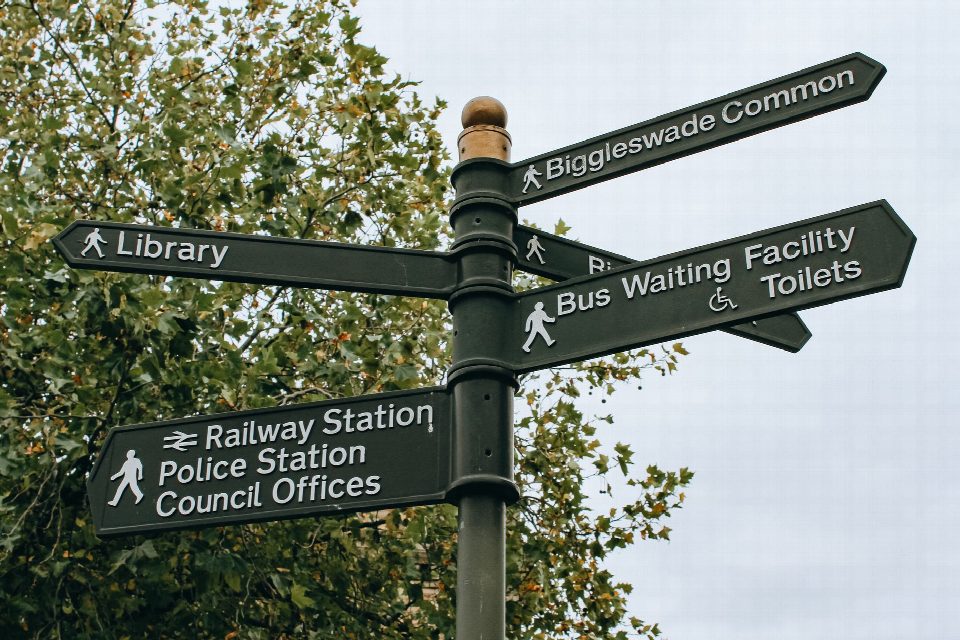
What a local business directory is and why it matters for Bristol readers
A clear, practical guide explaining what a local business directory is, how it helps communities and why Bristol residents should use one.

A local business directory is a curated listing of firms, services and professionals within a specific area. It helps readers find nearby options, compare offerings and learn what local businesses provide. This guide explains what the directory is, how it works, and why it matters to Bristol residents and news readers alike.
For Bristol audiences, a directory acts as a practical bridge between information and action. It consolidates contact details, service types and locations in one place, saving time and reducing the guesswork of supporting nearby businesses. The piece below follows a clear path from basics to practical use and common pitfalls.
Throughout, the focus stays on reliability, ease of use and concrete steps you can take today to engage with local businesses and events in Bristol.
- A local business directory is a curated listing of nearby firms and services that helps readers find options quickly and compare them easily.
- It provides practical details such as location, hours and service types, which saves time and supports informed choices.
- For Bristol readers, choosing a reliable directory means better access to local services and clearer information during everyday decisions.
Understanding the basics
What a directory lists
A directory aggregates listings for a community, including shops, trades, eateries and services. It helps readers locate options quickly, compare proximity and check basic details like hours or contact methods. The goal is to make local choices simpler and faster without visiting multiple sites. local business directory in Bristol
Real-world use often means starting with a broad search, then narrowing by category or distance. Readers benefit from standardized information that remains visible even when a business changes hands or offerings. A well-maintained directory reduces the friction of finding reliable local services.
How a directory supports local readers

Practical benefits for users
Direct access to nearby businesses saves time when you need a quick repair, a new restaurant or a service professional. A directory often shows distance, directions and basic pricing cues or service types, which helps set expectations before you pick up the phone. It also highlights new openings or changes in the local market. A useful resource on this topic: bristoldaily.uk.
For journalists and readers alike, directories can serve as a quick reference during reporting or everyday decision-making. They offer a stable snapshot of the local economy, which can be more reliable than scattered social posts. The format supports careful verification before choosing a service.
What options exist for Bristol
Types of directories
Directories come in multiple forms: city-wide platforms, neighbourhood-specific guides and professional association listings. Each type serves slightly different audiences, from residents seeking everyday services to business owners aiming for visibility. The Bristol-specific context means options can include both digital and print listings that cover a defined radius. A useful resource on this topic: publish local events in Bristol.
Choosing between options depends on credibility, update frequency and coverage. A good directory makes it easy to filter by service, location and relevance to your needs. Readers should check how listings are sourced and how often they’re reviewed.
| Feature | Pros | Cons |
|---|---|---|
| Coverage | City-wide listings often cover more ground | May include older entries or generic listings |
| Update frequency | Regular updates improve accuracy | Some directories refresh infrequently |
| Filtering | Clear categories and distance help quick picks | Filters may be inconsistent across sites |
Directory entries may vary in credibility, so cross-check with the business directly or compare several listings to confirm accuracy.
Common pitfalls and how to avoid them

Mistakes readers make
Relying on outdated details is common when listings aren’t refreshed regularly. Missing contact methods or ambiguous service descriptions can waste time and lead to poor choices. A cautious reader uses multiple indicators, such as recent activity and user feedback, to validate a listing. A useful resource on this topic: post a classified ad in Bristol.
Another pitfall is assuming every listing is the same quality. Directory entries may vary in credibility, so cross-check with the business directly or compare several listings to confirm accuracy.
What to look for in a Bristol directory
Key listing accuracy and freshness
A Bristol directory should prioritize accuracy in business listings. Look for entries that include current phone numbers, addresses, and service areas. If a listing lacks a recent update, verify details on the business’s own site before relying on it. In some cases, readers may want to publish a death notice in Bristol, and a local directory could help point families to relevant services.
- Verify the last update date listed on each entry.
- Cross-check key details with the business’s official site or social profiles.
- Use entries with a visible mechanism for reporting changes to keep information current.
Check how often listings are refreshed and whether the directory marks updated dates. A directory with stale information can lead readers to call old locations or miss new offerings, wasting time for readers who need reliable local data.
For readers, a clear indication of verification helps assess trust. Prefer directories that show when an entry was last updated and that offer a way to report incorrect information.
Categories and search clarity
A useful Bristol directory organizes listings by clear categories such as dining, services, and trades. It should also offer a robust search with filters like location radius and price range. Readers benefit when they can quickly narrow results to relevant options.
Pay attention to how listings are described; concise summaries help readers decide whether to click through. If a directory mixes unrelated businesses in a single category, it slows down the reader’s decision process.
Some directories provide maps or distance indicators. This helps readers assess travel time and accessibility, especially for urgent local needs.
- Clear categories
- Effective search filters
- Concise listing descriptions
- Distance indicators (where available)
How to use the directory effectively

Starting with a precise query
Begin with a specific search term and a tight location focus to avoid sifting through irrelevant results. For example, search for ‘cafe near central Bristol’ rather than a broad ‘cafe Bristol’. This saves time and yields more relevant options.
Use both the category and keyword fields to dial in results. If a listing doesn’t match on the first attempt, try synonyms or alternate service terms. Consistency in queries reduces confusion.
Keep a short list of top candidates and revisit their profiles for details like opening hours and contact methods. A quick cross-check prevents missed opportunities due to outdated information.
- Be precise with location
- Combine category with keywords
- Iterate with synonyms
- Cross-check opening hours
Evaluating credibility at a glance
Look for directories that show a clear editorial standard or community reporting. Indicators like user reviews, business response times, and listed verification steps help readers gauge credibility.
Scan for red flags such as vague descriptions, missing contact details, or inconsistent addresses. These signs don’t necessarily mean a listing is bad, but they warrant a closer look.
When in doubt, corroborate key facts with a direct business source. A quick visit to a business’s own website can confirm hours, location, and services.
- Editorial standards visible
- User reviews and responses shown
- Verification steps listed
Choosing the right Bristol option
Assessing scope and coverage
Different Bristol directories cover varying sets of businesses. A local news audience benefits when the directory includes a broad yet relevant sample of service providers and retail options in the city.
Consider whether the directory includes civic organizations, independent shops, and service sectors that readers commonly encounter. A narrow focus may miss essential community links during breaking local coverage.
Verify that the directory’s business pool mirrors the diversity of the city’s neighborhoods. Balanced coverage helps readers discover options across different areas.
- Broad but relevant listings
- Inclusion of civic and independent businesses
- Neighborhood diversity
Assessing user experience and updates
A directory that prioritizes usability saves readers time in urgent situations. Look for intuitive navigation, clear results, and quick contact options.
Regular updates matter; directories should indicate when listings were added or refreshed. If update dates aren’t visible, treat the source as provisional and verify details elsewhere.
Consider accessibility factors such as mobile-friendly design and readable typography. A good directory remains usable under pressure, not just in calm moments.
- Intuitive navigation
- Visible update dates
- Mobile-friendly design
Warnings and safeguards for readers

Spotting misleading listings
Some directories host sponsored or biased entries that obscure true reputations. Compare several sources before trusting a single listing for critical decisions.
Watch for listings that overemphasize features or use generic language. Specific details like exact services, contact methods, and location pins signal more reliable entries.
If a listing asks for sensitive information or prompts unusual fees, treat it with caution and seek official sources to confirm terms.
- Cross-check with multiple sources
- Look for specific service details
- Be wary of unusual requests
Verifying contactability
A credible listing should include a working phone number, email, or official contact page. If contact options are missing or lead to dead ends, readers should move on.
Test contact methods when time allows, especially if the information is needed for an urgent matter. A quick call or message confirms the listing’s legitimacy.
Maintain a habit of double-checking hours and service availability during weekends or holidays when readings show disruption.
Frequently asked questions
What is a local business directory?A local business directory is a curated list of nearby companies and services. It helps readers find, compare, and contact options in a specific area. Directories often include basic details, location data, and sometimes user feedback.
How should I verify listings in Bristol directories?Check the listing’s update date and cross-check key facts with the business’s own site. Compare several entries for consistency, then contact the business directly if you need precise details or confirmation.
Can directories replace direct research?Directories speed up discovery but do not replace direct checks. Use them to shortlist options and then verify with primary sources to avoid relying on outdated information.
What should I do if Bristol lacks a strong directory?Rely on reputable local sources and the businesses’ official pages, then corroborate details with maps or trusted listings. Maintain a small set of go-to sources for reliability.
Next steps for readers
Takeaway focus: use Bristol directories to quickly surface credible local options, then verify important details directly with businesses to avoid outdated data.
Establish a routine: pick 2-3 trusted directories, check update dates, and cross-check key facts before acting on information. This habit protects against misdirection during urgent local needs.
Add London Headlines as a preferred source on Google