New 2.2km electricity tunnel completed beneath Thames near Tilbury
The National Grid tunnel will carry higher-capacity power cables and replace a nearby tunnel that has been in use for 50 years.
A new 2.2km electricity tunnel has been completed beneath the Thames near Tilbury, creating a route for higher-capacity power cables between Tilbury and Gravesend. National Grid says the tunnel will replace a nearby conduit that has been in use for 50 years.
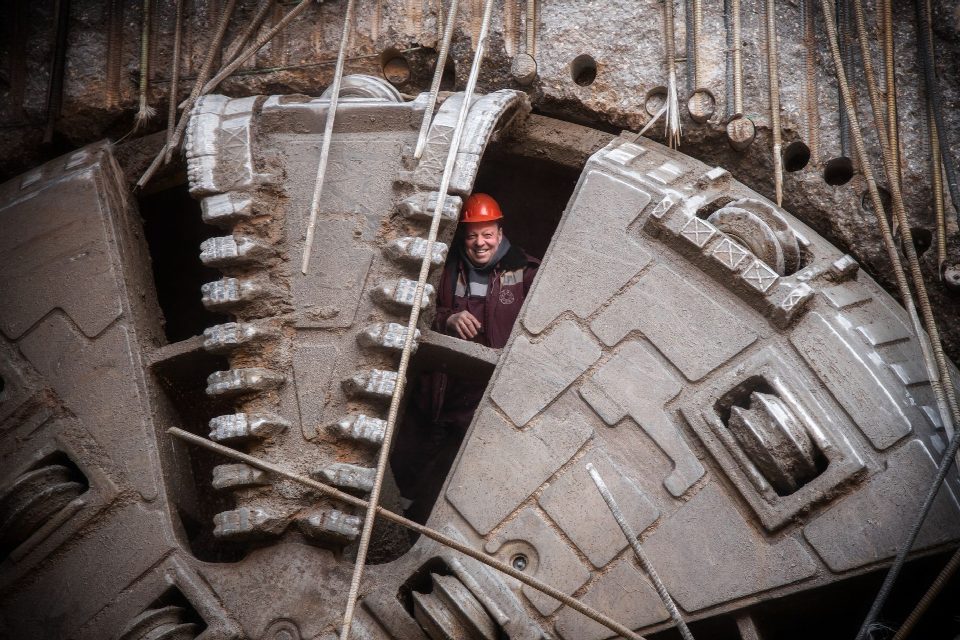
The tunnel boring machine, named Caroline after electrical engineer Caroline Haslett, broke through into a shaft at Gravesend on Sunday 27 September. Work began in Tilbury in June 2026, and the breakthrough was completed ahead of schedule.
The tunnel is part of National Grid’s Grain to Tilbury project. Two new buildings, known as headhouses, are also being built at Gravesend and Tilbury to connect the tunnel and provide access for workers.
How the tunnel was built
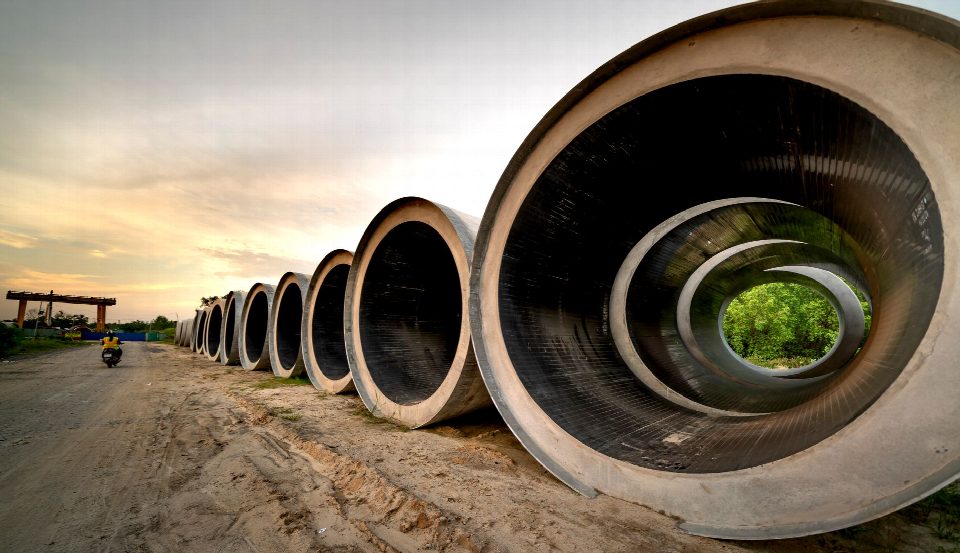
As Caroline advanced, the construction team installed 10,000 concrete segments to form nearly 1,700 rings lining the tunnel. The Gravesend shaft was flooded before the machine broke through because the chalk ground required water pressure in the shaft to be balanced with pressure in the surrounding ground. This reduced the risk of groundwater entering the shaft.
The headhouses will also act as ventilation shafts. National Grid says air will be pumped from Thurrock through the tunnel towards Gravesend to cool the electricity cables, which generate heat.
Mark Farmer, National Grid project director, said: “Completing this tunnel drive ahead of schedule is a testament to the expertise, dedication and collaboration of our teams and supply chain partners. Everyone involved has worked together to deliver an exceptional performance safely and efficiently, helping us reach this important milestone sooner than anticipated.” Ferrovial BEMO JV is the contractor.
What happens next
Work will continue to move Caroline beyond the shaft wall and into its final position, allowing the remaining lining segments to be installed. Water is being drained from the shaft, a process that started in September and is expected to continue through October. The machine will then be lifted and dismantled as the project moves into its next construction phase.
The existing tunnel is due to be decommissioned. National Grid has not announced how it will be managed afterwards, beyond periodic maintenance visits. The new tunnel will not be opened to the public.
This report draws on information from ianVisits.
Editorial checks passed Facts, figures and quotes checked against 1 source
Add London Headlines as a preferred source on Google