Mealworms are a favourite for robins, but feed them sparingly in autumn
Small amounts of mealworms, fat balls or suet can be offered until the end of October, under the RSPB’s seasonal feeding guidance.
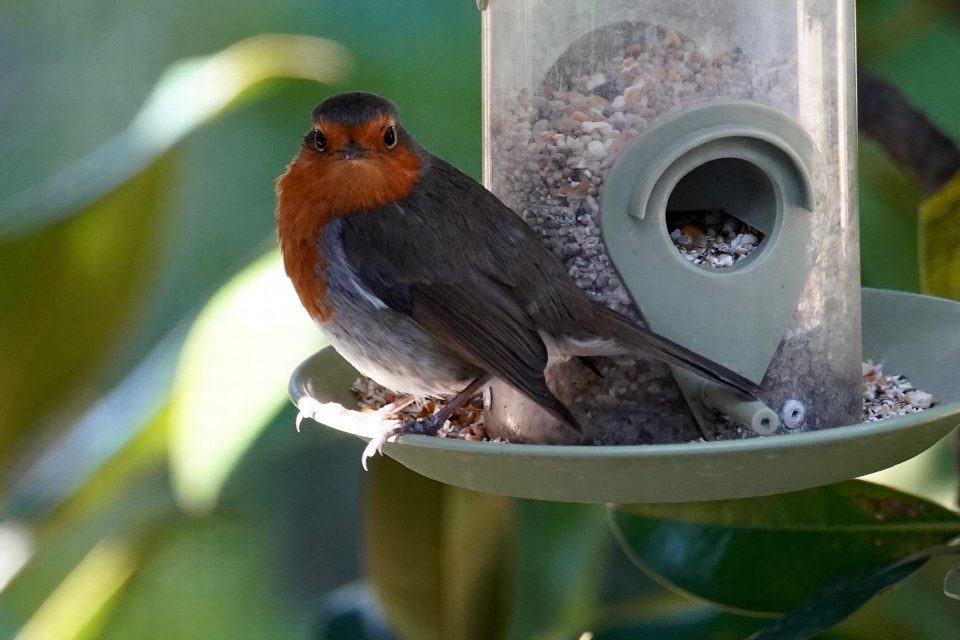
Mealworms are a favourite food for robins, but people feeding birds in autumn should offer only small amounts, according to the RSPB’s seasonal guidance. The charity recommends limiting food between May 1 and October 31 to small portions of mealworms, fat balls or suet.
Sue Morgan, chief executive of SongBird Survival, said robins “absolutely love” mealworms and would also enjoy sunflower hearts. The RSPB says crowded feeders can become hotspots for disease, a particular concern as bird populations face significant decline. Its guidance allows a full range of bird foods again from November 1 until the end of April.
Quieter gardens do not necessarily mean birds have gone. The RSPB says moulting after the breeding season takes energy and can leave birds less visible as they stay among vegetation. Autumn also brings berries, seeds, nuts and fallen fruit, so birds may rely less on feeders and forage in hedgerows, wooded areas and garden shrubs.
What to offer robins
For now, mealworms are one option, alongside small amounts of fat balls or suet. Morgan also suggested sunflower hearts. The RSPB says birds need high-energy, high-fat foods during cold weather, but advises people to feed seasonally rather than leave out large quantities throughout the warmer months.
The change in feeding advice reflects the risk that food gathering in one place can spread disease. The RSPB’s guidance is to scale back provisions from May 1 through October 31, then make a wider range of foods available from November 1. It has not said that feeding will ensure individual robins return to a garden.
Keep feeding areas clean
Uneaten food should not be allowed to build up. The advice is to clear away old feed regularly and watch for signs of illness among birds. Anyone putting out food should also keep a bird bath thoroughly clean.
The RSPB halted sales of its flat bird tables last year over concerns they could contribute to the spread of fatal diseases among finches. Its current guidance stresses hygiene alongside limiting food during spring and autumn. In autumn, birds may also be less conspicuous because young birds are becoming independent and exploring new areas.
This report draws on information from My London.
Editorial checks passed Facts, figures and quotes checked against 1 source
Add London Headlines as a preferred source on Google