Practical guide to France events agenda for readers
A clear, practical overview of how to use the agenda des événements en France for staying informed on French events, with practical steps and tips.

Curious how to follow French events accurately without wading through scattered sources? This guide shows how to find, verify and use event listings so you can report or plan with confidence.
Start by identifying trusted calendars, then compare details across sources to confirm timing and location. The approach is practical: verify dates, check venues, and note any last-minute changes.
Finally, learn how to extract the essential facts you need for your readers or your schedule, so you can act quickly when events matter to your audience.
- Use reliable calendars and verify dates across sources.
- Record your verification to show work and avoid errors.
- Publish concise updates for breaking events and deeper pieces for broader calendars.
- Provide readers with official calendars and direct sources for further details.
Basics of event calendars
Understanding reliable sources
Start with national or regional calendars that publish official schedules. Cross-check dates with venue sites and local news outlets to confirm accuracy. This reduces the risk of reporting outdated times or venues. agenda des événements en France is a phrase to use when referencing French event calendars.
- Open two trusted calendars
- Search for the event by name
- Compare dates and locations
- Publish a brief update if discrepancies arise
Real-world example shows that a calendar can list a festival on a wrong day due to a scheduling change, which highlights the need for live verification.
Always note any time-sensitive updates and include them in your story to keep readers informed.
- Cross-check dates with at least two sources
- Watch for time zone differences
- Record the exact venue name
- Note last-minute changes
Using search filters
Filters help you narrow events by location, type, or audience. Use city or regional filters to focus on what matters to your readership. This saves time and increases relevance.
If a filter excludes something important, document why you broaden the search or switch to a different feed. Clear criteria prevent bias in coverage.
Keep a running list of recurring events to anticipate future postings and plan ahead.
- Set location filters
- Exclude non-relevant categories
- Prioritize official sources
- Note recurring events
How to verify details
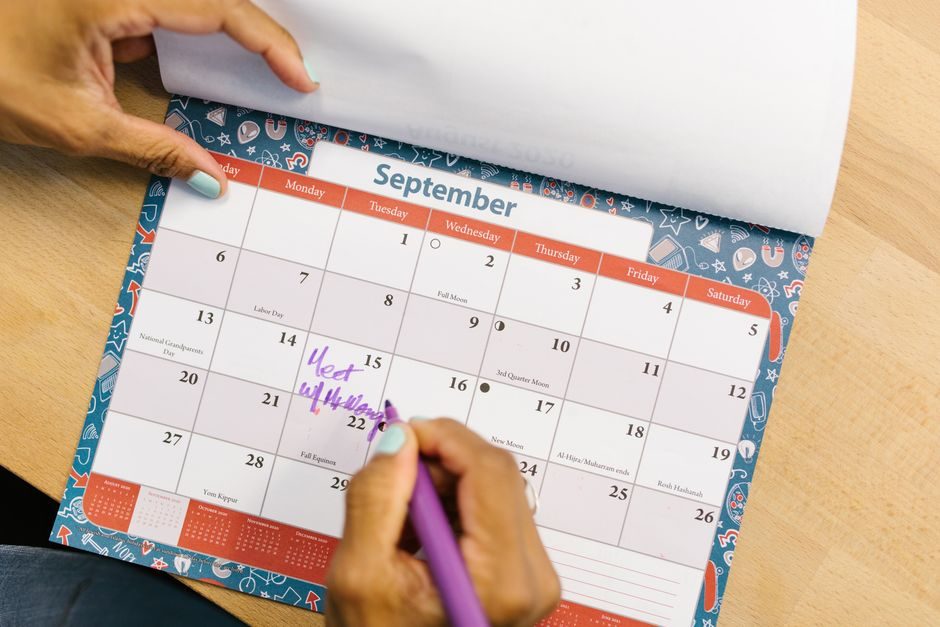
Cross-checking venue and time
Compare entries across calendar listings, venue websites and local news posts. Look for matching spellings, dates and start times. When mismatches occur, treat the latest official update as authoritative. dernières actualités France will be useful when discussing current events coverage and how calendars interplay with timely reporting.
This prevents publishing conflicting information that confuses readers. A small error about the start time can lead to missed attendance or misreporting.
Record the verification trail in your notes so editors can see how you reached the final listing.
- Match venue names
- Confirm start times
- Check for time zone notes
- Note any changes
Assessing credibility
Prioritize listings from official bodies, established media and recognized venues. Avoid relying on user-generated posts without corroboration. Credible calendars reduce the risk of spreading misinformation.
When a listing is vague, seek supplementary details like contact emails or phone numbers from the organizer. This adds a layer of reliability to your report.
Keep a short disclaimer if information is still tentative, and update as soon as new details emerge.
- Prefer official calendars
- Avoid unverified social posts
- Seek organizer contact details
- Provide updates as information evolves
Where to publish and share
Choosing the right platform
Different audiences read on different platforms. For breaking events, a quick post with essential facts works best; for deeper insights, publish a fuller calendar piece later. This aligns with reader expectations and newsroom workflow. annuaire local en France helps readers find localized listings and verify details through a trusted directory.
Use concise summaries for fast updates and provide links to official calendars for readers who want more detail.
Coordinate publication times with editors to avoid duplicating coverage across platforms.
- Tailor length to platform
- Provide links to official calendars
- Coordinate with editors
- Update promptly if plans change
| Method | Pros | Cons |
|---|---|---|
| Official calendars | High reliability | May miss niche events |
| Venue websites | Accurate times | Requires multiple checks |
| Local news feeds | Timely updates | Varying quality |
Incorporating reader tips
Encourage readers to submit corrections or additional event details through a simple form or email. This helps keep calendars accurate and fosters trust. Community-sourced input can fill gaps left by official listings.
Respond quickly to corrections to maintain credibility and keep your coverage accurate.
Summarize reader-sourced updates in a follow-up note to show responsiveness.
- Offer a simple correction channel
- Acknowledge reader contributions
- Follow up with updates
- Maintain transparent sourcing
In fast-moving situations, distinguish between confirmed facts and rumours, and clearly label any provisional information.
Ethical considerations for event reporting

Balancing accuracy and sensitivity
Report events with verifiable facts and avoid sensational language. Verify details with multiple sources before publishing, especially when the information affects public safety or personal privacy. Treat all subjects with fairness, giving them context and the chance to respond. annonces classées France can be a practical source for planning or confirming event listings in a specific region.
In fast-moving situations, distinguish between confirmed facts and rumours, and clearly label any provisional information. This helps readers understand what is known and what is still uncertain.
Ethical reporting also means considering the impact on communities and individuals. If coverage could endanger someone, seek guidance from editors and consider alternative angles that inform without causing harm.
- Verify before publishing
- Avoid sensational terms
- Provide balanced perspectives
- Respect privacy when possible
Handling sensitive or controversial events
Minimizing harm while informing
Cover controversial events with clear, factual language and avoid framing that inflames tensions. Provide direct quotes carefully, and context for why statements matter. The goal is to inform, not to inflame or mislead. annoncer un décès en France
When deaths, victims, or trauma are involved, use respectful language and avoid graphic descriptions that serve curiosity over understanding.
Offer readers practical context, such as how authorities responded, what the legal framework allows, and what needs follow-up reporting to understand outcomes.
- Use neutral terminology
- Provide outcome-focused details
- Include official responses
- Respect victims and families
Localization vs. national scope in coverage

Deciding coverage breadth
Local events can affect city life and regional economies, so pinpoint what readers in a specific area need to know. Balance local relevance with national significance when a story has broader impact.
- Explain why the story matters to residents.
- Highlight practical steps readers can take.
Include on-the-ground details: venue access, transit changes, and how to participate. These specifics help readers decide whether to engage.
Always contextualize how a local development ties into wider national or international trends, so readers see relevance beyond their city.
- Prioritize local impact
- Clarify accessibility and logistics
- Provide wider context
Developing a routine for ongoing updates
Establishing a daily update cadence
Set a fixed time for morning and afternoon updates to keep readers informed as details emerge. A predictable rhythm helps readers rely on your site for steady information.
- Publish timeline updates as events unfold.
- Review sources for credibility before each update.
Create a quick-check list for reporters and editors: confirm timing, verify source credibility, and flag any potential conflicts of interest.
Use short, clear updates for developing news, and save long-form explainers for when the situation stabilizes.
- Create morning and afternoon briefs
- Maintain a source credibility checklist
- Differentiate quick updates from deep dives
Frequently asked questions
What should I do first when covering a new event?Begin with a clear summary of what is known, then identify what needs confirmation. Check multiple reliable sources, note timelines, and plan follow-up questions. Establish a plan for updates as facts develop.
How do you handle conflicting information?Present each verified claim with its source and cautiously indicate uncertainty. Where possible, wait for official statements or corroborating evidence before drawing conclusions. Offer readers a path to understand where the truth currently lies.
How does localization affect national coverage?Local reporting should illuminate how national events affect communities, services, and access. Add practical details like timings and logistics while placing events within broader patterns or policies.
What about sensitive topics like deaths?Use respectful language, minimize graphic detail, and verify information carefully. Provide context on authorities’ actions, victim support, and ongoing investigations without amplifying harm.
Ongoing coverage planning
Successful ongoing coverage requires disciplined updates, clear sourcing, and transparent corrections when needed. Readers rely on you to filter noise from facts and to explain what is changing and why.
Developing a routine for updates means more than publishing often; it means validating every new piece of data, and organizing it so readers can follow the story from first report to current status. The next step is to implement a fixed update cadence and assign roles to keep it consistent.
Add London Headlines as a preferred source on Google