Planning and Promoting a Community Arts Event in London
A practical London guide to planning a community arts event, choosing an accessible venue and reaching local audiences through clear, low-cost publicity.
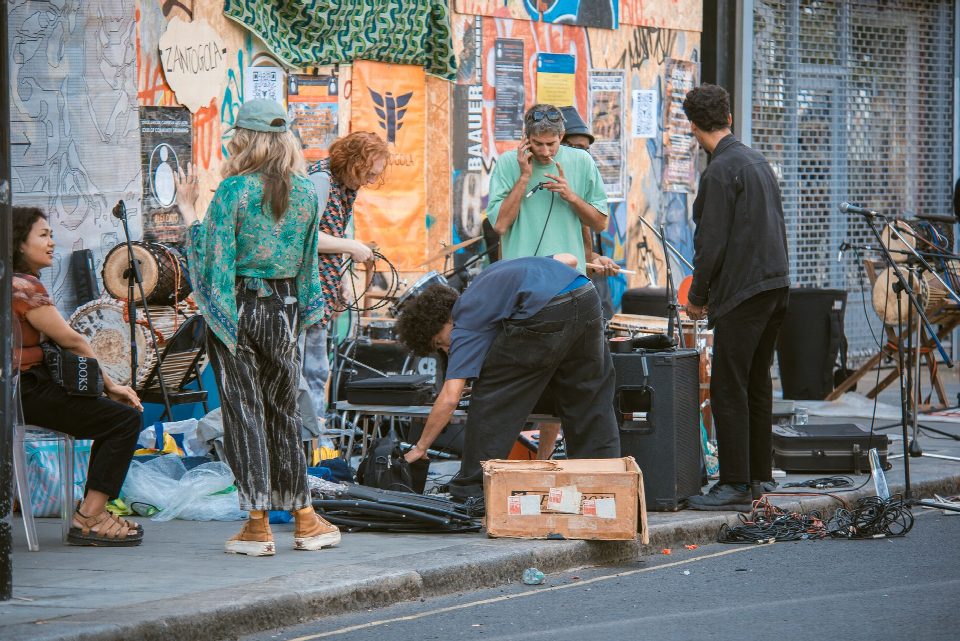
A community arts event could be a neighbourhood exhibition, a small theatre performance, a craft workshop or a shared music session. It brings people together around creative activity, often with local participants or artists involved. In London, a clear purpose, a suitable accessible venue and a focused publicity plan help organisers make the event welcoming and easier for nearby audiences to find.
Start by deciding who the event is for and what you want people to experience. Then confirm the practical details—venue, access, timings and responsibilities—before asking residents to attend. A modest event can still feel well organised when information is consistent and the invitation reaches people through channels they already use.
This checklist covers the basics, from defining the event to sharing it locally. It is designed for community groups and small arts organisations working with limited time or communications support, and it avoids assuming that every London audience uses the same channels or travels in the same way.
- A community arts event brings people together through a creative activity with a clear local connection.
- Set a specific purpose, confirm responsibilities and keep event details consistent.
- Choose a venue that fits the activity, and describe access and arrival information accurately.
- Use clear publicity and share it through local channels that reach the intended audience.
What makes an event a community arts event
Creative activity with local connection
A community arts event centres on creative activity that people can experience together, such as an exhibition, performance, film screening, open studio or participatory workshop. The local connection may come from the artists, subject, participants or audience; it does not require everyone involved to live in one postcode. Make that connection visible in the invitation.
For example, a group might display work made in a neighbourhood workshop, host a reading by local writers or invite families to make a collective artwork. The format can be informal or presented on a stage, but visitors should understand what will happen when they arrive. Describe the activity plainly rather than relying on an arts label.
Community involvement can mean more than attendance. Residents might help choose a theme, contribute work, welcome visitors or shape a discussion, depending on the project. Explain the role people can take and whether any experience or materials are needed, so potential participants can decide if the event suits them.
Make the invitation understandable
Tell people what they will see or do, who is welcome and whether they need to book. A line such as “drop in to view the exhibition” sets different expectations from “book a place for a hands-on workshop”. Include any age guidance or participation requirements where they affect a visitor’s decision.
Avoid assuming that the word “community” explains the event by itself. Name the audience you hope to reach, such as local families, young people, older residents or people interested in a particular art form. If the event welcomes everyone, say so, and explain any practical limits such as a need to reserve a workshop place.
If an organisation needs professional support, a marketing agency directory can help identify agencies to approach, after which organisers should check their experience with community or arts work. Keep the event description in your own voice and ensure any outside help reflects the project’s purpose. The invitation should remain accurate, welcoming and easy to pass on.
Set a clear purpose and plan the essentials

Agree the event’s purpose
Write one sentence describing what the event is meant to do, such as introduce local artists to residents or give participants a chance to share work. Use that purpose to decide the format, audience and measures of success. A specific aim makes it easier to resolve disagreements about what belongs in the programme.
Before committing to a date, check what the team can realistically deliver and who will make decisions. One person may coordinate artists, another handle venue arrangements, and another manage audience questions. Agreeing responsibilities early prevents essential tasks from being left to whoever happens to be available.
Set a workable scope before adding extra activities. A short exhibition opening with a welcome and a simple activity may serve the purpose better than a crowded programme that is difficult to staff. Check that the plan fits the time, volunteer capacity and facilities available, then record what is confirmed and what still needs a decision.
- State the event’s purpose in one sentence.
- Identify the intended audience.
- Assign a named lead to each task.
- Separate confirmed details from open decisions.
Confirm essential event details
Settle the date, opening and closing times, programme and booking method before preparing public listings. Check that the event’s timing works for the people you hope to reach, including those travelling after work or attending with children. If any detail remains provisional, mark it clearly in internal plans rather than presenting it as final.
Create a single source of truth for the event information, including the approved description, contact method and any changes. Share that version with artists, volunteers and partner groups so they do not circulate conflicting times or instructions. Decide who can approve updates and who will tell audiences if arrangements change.
List the practical responsibilities alongside the programme: who opens the venue, welcomes visitors, supports participants and handles questions. Confirm what equipment or materials the activity needs and who will provide them. A short run-through with the team can reveal gaps, such as unclear handovers or a missing contact for event-day issues.
Choose a venue and make the event accessible
Match the space to the activity
Choose a venue for the event’s actual activity, not simply because it is familiar or available. A workshop may need tables, clear floor space and storage for materials, while a performance needs suitable sightlines and room for performers. Confirm what the venue provides and what organisers must bring before publishing the event details.
Consider how people will reach the venue from nearby stations, bus routes and familiar local landmarks, then give clear directions without assuming everyone knows the area. Check the entrance and route inside as well as the room itself. If access depends on a particular entrance or arrangement, explain that in advance and provide a contact for questions.
Compare options by matching their strengths and limits to the programme. A library or community hall may suit a discussion or workshop; an outdoor setting may suit a public display but requires a plan for weather and changing conditions. Confirm permission, availability, facilities and any restrictions directly with the venue before making a commitment.
| Option | Often suits | Check first |
|---|---|---|
| Community hall | Workshops and meetings | Room layout and access |
| Library space | Readings and discussions | Booking rules and facilities |
| Outdoor area | Displays and performances | Permission and weather plan |
Explain access and arrival
Give practical access information in the event listing, including step-free access where confirmed, seating arrangements, toilets and any limits visitors should know about. Do not guess about facilities: ask the venue and describe what it can verify. If visitors need to request an adjustment, provide a clear contact route and allow time to respond.
Plan the arrival as carefully as the activity itself. Say where visitors should enter, whether they need to check in and what to do if they arrive after the start. For a participatory event, explain whether people can join late or leave early, since this can affect whether someone feels able to attend.
Use a simple comparison when deciding between spaces: consider access, suitability for the activity and how easily the audience can find the venue. A lower-effort option is not automatically the best fit if it creates barriers or makes instructions confusing. Confirm any changes with the venue and update every listing and message already shared.
Make the first publicity message answer the basic questions: what is happening, who it is for, when and where it takes place, and how to attend.
Build a simple local publicity plan

Prepare one clear event message
Make the first publicity message answer the basic questions: what is happening, who it is for, when and where it takes place, and how to attend. Put the most useful details first, then add a short explanation of the creative activity. Readers should not have to search through a long description to find the date or booking instructions.
- ☐ Confirm the event title and description.
- ☐ Check the date, time and venue details.
- ☐ Include booking or drop-in instructions.
- ☐ Provide a contact route for access questions.
Create a compact set of approved information that can be reused in a poster, email, social post and community notice. Use the same event name, timings and contact details in each version, and check them before sharing. A consistent message reduces confusion when partner groups pass the invitation on to their own audiences.
Organisers researching publishers and outreach options can review MediaKit.uk as one possible resource, not a substitute for local contacts. For a community event, begin by identifying the neighbourhood groups, libraries, schools or arts networks that already reach the intended audience. Ask what information they need and provide a ready-to-share version that is easy to adapt.
- Lead with the activity and audience.
- Make date, venue and booking details easy to spot.
- Prepare a short version for sharing.
- Check every version before distribution.
Reach people through local channels
Choose publicity channels based on where the intended audience already gets local information. A neighbourhood newsletter, community noticeboard, partner organisation or borough arts mailing list may be more relevant than a broad post sent to an unspecified audience. Ask partners about their submission deadlines and preferred formats before sending material.
Give each channel enough lead time to share the event, and schedule a reminder closer to the date if the details remain current. Share images only when you have permission to use them, and add clear descriptive text so the message is understandable without relying on the picture. Keep a record of where the invitation has appeared.
Check responses before the event and correct errors quickly wherever they appear. If the venue, timing or booking arrangement changes, update the original listing and tell partners who shared it. Afterward, note which channels brought useful enquiries or attendance, so the next event can focus effort on routes that reached people.
Decide which online promotion is worth pursuing
Choose Channels Your Audience Uses
Prioritise online channels that match the people you hope to reach, rather than trying to post everywhere. A family workshop might suit school newsletters and neighbourhood groups, while an exhibition may find an audience through local arts organisations. Ask participants and partners which sources they already check, then focus your limited time there.
- Posting the same generic message everywhere; tailor the opening line to each audience.
- Relying on an image for essential details; put the information in accessible text.
- Chasing reach without checking relevance; choose channels used by likely attendees.
Make every listing answer the practical questions a potential visitor has: what is happening, where, when, who it is for, and how to attend. Include access information and any booking requirements in the main text, not only in an image. Use a direct contact route so people can ask about participation or access needs.
Check whether the event page works on a phone and whether its key details are easy to scan. Add a clear image with permission, useful alternative text, and a short description that explains the activity. Keep the event information consistent across channels, and update every listing promptly if arrangements change.
Judge Reach Against Effort
Set a modest test before committing to a channel: publish a clear event notice, then record enquiries, bookings, or useful referrals. Likes alone cannot show whether local people understood the offer or planned to attend. If a channel produces no meaningful response, adjust the message or redirect effort rather than repeating it automatically.
A group considering wider online visibility may compare options such as white label link building, while weighing whether it suits the event and its audience. For a one-off neighbourhood activity, direct partner sharing may be more proportionate. Any paid or outsourced promotion should have a defined audience, a clear cost, and a way to assess results.
Use a simple tracking method that volunteers can maintain, such as noting where each enquiry came from when someone registers. Avoid collecting personal information you do not need, and explain how registration details will be used. Review the results after the event so the next planning team can repeat effective choices and drop unproductive ones.
Work with outside communications support carefully

Agree the Brief Beforehand
Write a short brief before approaching a freelancer, agency, or publication, setting out the event’s purpose, audience, confirmed details, and desired action. State what materials are ready and who can approve copy. This prevents an outside contributor from guessing at access arrangements, timings, or the community group’s tone.
- Define the audience and the result you want before contacting a provider.
- Share confirmed event details, access information, and approved images.
- Agree deliverables, timing, costs, and who approves the finished material.
- Review the published work and record whether it brought relevant enquiries.
If an organisation decides to place an article with a relevant publication, it can compare options to buy guest posts online and check each outlet's audience first. Ask what readership the placement is intended to reach and how the event will be represented. Treat any proposed coverage as one channel, not a substitute for direct local outreach.
Agree ownership and deadlines for copy, photographs, and event information before work begins. Confirm whether the provider is expected to draft, edit, publish, or simply advise, and who checks factual accuracy. Keep a written record of the final wording and publication arrangements so the organising team knows what has been promised.
Check Claims and Accountability
Ask for a clear explanation of what support includes and what it cannot guarantee. A promise of coverage does not necessarily mean that local residents will see or act on it. Request examples relevant to community arts, and check that any proposed outlet or audience makes sense for the event’s location and subject.
Keep final approval with someone who understands the event and can verify names, dates, venue details, accessibility information, and booking instructions. Do not share sensitive participant information or images without appropriate permission. If an outside contributor suggests a claim the group cannot substantiate, remove it or ask for evidence before publication.
Set a single point of contact within the organising team, even if several people contribute material. That person can answer questions consistently and prevent contradictory versions from circulating. After publication, check the live copy promptly, correct errors through the agreed route, and save a record of where the information appeared.
Avoid common event-promotion pitfalls
Make Announcements Accurate
Publish only details that have been confirmed, and make the event’s date, start time, location, and booking route unmistakable. For announcements intended for news outlets, organisers can consider press release distribution uk alongside direct approaches to local media. A concise, accurate notice is more useful than a dramatic pitch that leaves basic questions unanswered.
Give readers a reason to care by explaining what they can see, make, hear, or take part in. Avoid inflated claims about attendance, community impact, or participants unless the group can support them. Include a named organisational contact where appropriate, and make sure that person knows how to respond to enquiries.
Before sharing a poster or release, check that the written information matches the image and event page. Confirm the venue’s name, access details, and any booking conditions with the relevant organiser. If something changes, update the original channels and ask partners to replace old versions rather than leaving conflicting notices in circulation.
Protect Trust and Inclusion
Do not assume that every resident can use the same platform or understand arts-sector language. Pair online promotion with notices shared through trusted local partners, and describe the activity in everyday terms. Explain whether visitors can drop in, need to book, or should bring materials, so no one has to guess.
Check that promotional images represent the event honestly and that everyone shown has agreed to their use. Avoid presenting a planned activity as fully accessible unless the venue and format have been checked. Give a practical contact for questions, and respond with specific information rather than vague assurances about access.
Watch for misleading urgency, unclear eligibility, or surprise conditions in your copy. If spaces are limited, say how booking works and what happens if a session fills. Review wording with someone outside the organising team; a fresh reader may spot confusing instructions or assumptions that insiders have stopped noticing.
Make the most of local networks
Build Useful Local Partnerships
Ask organisations already connected to your intended audience to share a concise, ready-to-use event notice. Depending on the activity, that might include a community group, library, school, local arts network, or residents’ association. Make the request easy to fulfil by supplying confirmed details, a short description, and an image they are permitted to use.
Groups seeking outside help with online coverage can assess whether a guest posting service offers relevant publications and transparent terms. For a local event, check that any proposed audience is connected to London communities you hope to reach. Do not treat a broad publication list as proof that a placement will bring suitable visitors.
Offer partners something useful in return, such as a tailored version of the notice or a chance to share information with attendees. Avoid assuming that a partner can promote every activity or meet a tight deadline. Give them time to review the request, and thank them whether or not they are able to participate.
Make Sharing Easy and Reciprocal
Prepare a small sharing pack that partners can use without rewriting essential information. Include a short event description, a longer version if needed, a plain-text listing, and an approved image with a caption. Add a contact for questions and make clear which details partners may adapt for their own channels.
Consider where people already gather across London, rather than treating the city as one audience. A group near a transport interchange may attract visitors from beyond its immediate neighbourhood, while a small workshop may depend more on nearby families and community contacts. Shape the message around realistic travel and participation needs.
After the event, tell partners what happened and thank them for their help. Share a useful outcome, such as a completed activity or a participant-created display, only when you have permission to do so. Keeping relationships active between events makes the next request more natural and gives the group a better sense of which connections are effective.
Frequently asked questions
What is an example of a community arts event?A neighbourhood printmaking workshop is one example: local residents can learn a technique, make artwork, and meet others in a shared setting. Other possibilities include a community choir performance, an open exhibition of local work, or a participatory mural project. The defining feature is that the event connects artistic activity with a community, rather than simply presenting an event to an audience.
How early should a small group start promoting an event?Start once the essential details are confirmed, including the venue, date, access arrangements, and booking method. That gives partner organisations time to share accurate information and lets audiences make plans. If some details remain unresolved, prepare draft materials but clearly hold them back from publication. Update listings quickly when arrangements change, and use a final check to catch conflicting versions.
What should an event listing include?A useful listing states what the activity is, who it is for, when and where it takes place, and whether booking is required. Add practical access information, any participation requirements, and a clear contact route for questions. Keep the language direct, make the main details available as text, and ensure the listing matches the information on posters and partner notices.
How can organisers tell whether promotion worked?Track practical outcomes rather than relying only on online reactions. Note bookings, enquiries, walk-ins, and—where it is reasonable to ask—the channels that brought people to the event. Compare those results with the time and effort spent on each channel. A small group can use a shared note or spreadsheet, then record what to repeat or change for its next activity.
A clear route from planning to attendance
Effective promotion starts with a well-defined event and accurate details, then matches those details to channels local audiences actually use. For London groups, trusted partners can help a notice travel beyond the people already connected to the organisers. Keep access information visible, check every version, and judge success by relevant enquiries and attendance rather than online attention alone.
The next step is to choose one person to check the event information and one or two suitable channels to test first. Prepare a short, shareable notice with confirmed practical details, then ask a relevant local partner to circulate it. After the event, note what brought people in and what caused confusion; that record will make the next promotion plan more focused.
Add London Headlines as a preferred source on Google