South Tottenham and St Pancras in London vie for Britain's best station
The two stations are among 20 shortlisted for the 2026 World Cup of Stations, with public voting open until 18 October.
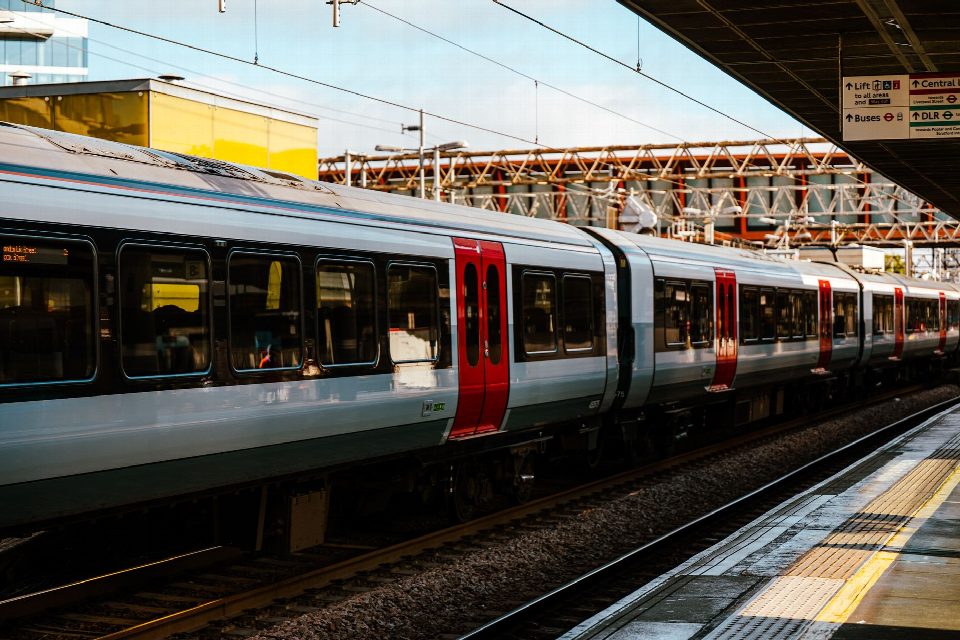
South Tottenham and St Pancras International in London are competing to be named Britain’s best station after being shortlisted for the 2026 World Cup of Stations. Public voting is open until Sunday 18 October, and the winner will be announced on Tuesday 20 October.
The competition celebrates stations that connect people and communities. Twenty stations across the UK were selected by a judging panel from more than 150 public nominations. The two London stations are among four southern finalists, alongside Brookwood and Bishopstone.
Why the London stations were shortlisted
South Tottenham was recognised for turning overlooked station land into a community garden. The space is used by children, older people and residents living with dementia. First Rail London managing director David Statham credited station assistants Ray and Azaz with helping bring those groups together.
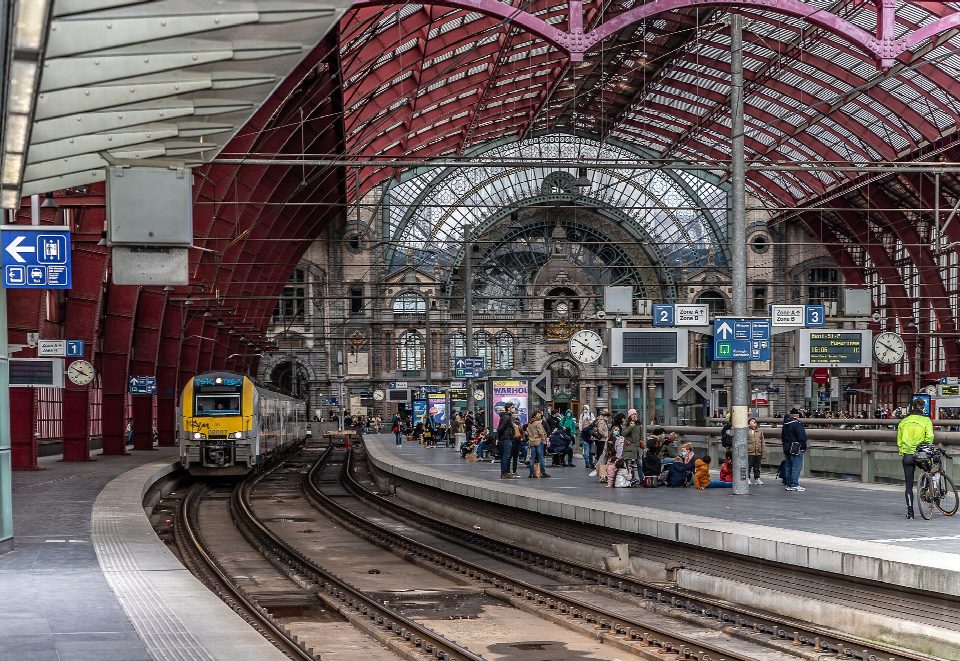
St Pancras International was praised for combining historic architecture with modern infrastructure and international connections. London St Pancras Highspeed described it as both a gateway between the UK and Europe and a destination in its own right. The judges’ shortlist recognises the different ways a station can serve its community and connect people.
How voting works
People can vote for their preferred station until 11.59pm on Sunday 18 October. The station with the most votes will win. On Wednesday 14 October, the leading station in each regional group will advance to a final round of five.
The competition is run by Rail Delivery Group. Its co-chief executive, Dan Mann, said the shortlisted stations showed how rail can support local projects, open up opportunities and bring people together. Last year’s title went to Ashington after passenger services returned there following a 60-year absence.
This report draws on information from London Now and Time Out London.
Editorial checks passed Facts, figures and quotes checked against 2 sources
Add London Headlines as a preferred source on Google