Assembly urges caution over driverless taxi plans in London
A transport committee says more safeguards and oversight are needed before autonomous passenger services can operate at scale in the capital.
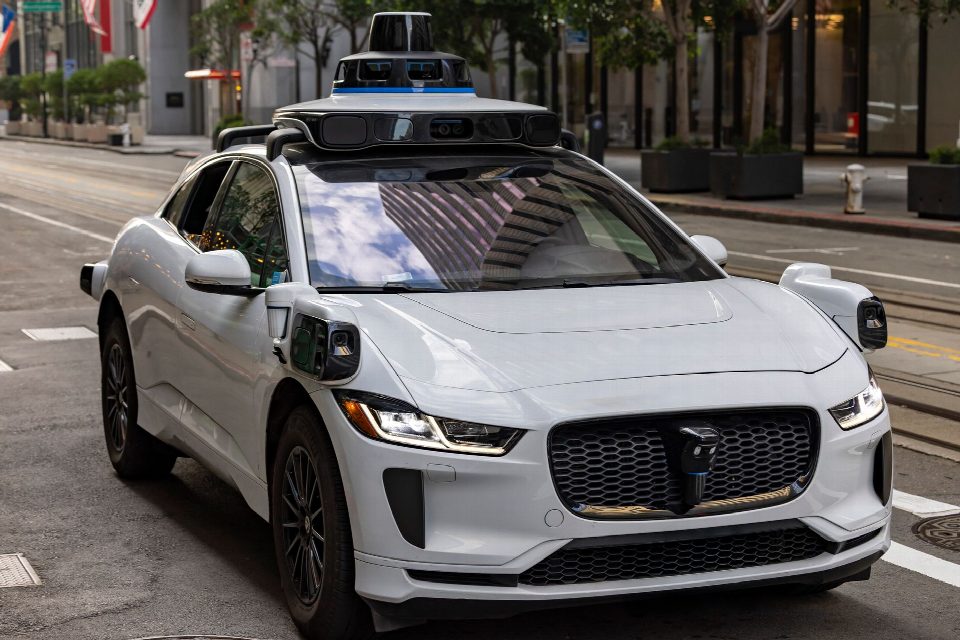
The London Assembly’s transport committee says London needs stronger protections before driverless taxis are introduced widely, and is calling on Transport for London (TfL) to delay approval for a full rollout.
The committee said it lacked sufficient evidence to conclude that autonomous passenger services should be introduced in the capital. It warned that such vehicles could add to congestion and pollution, disrupt bus services and put further strain on the transport network.
Companies are seeking to launch services in London without a human safety driver. TfL has not yet issued specific guidance for driverless vehicles in the capital, and officials have said they are taking a cautious approach to approval.
Passenger safety and traffic concerns
The committee asked how passengers would be kept safe if they were assaulted, suffered a medical emergency or experienced coercion during a journey without a driver. It said operators had not set out convincing safeguards for such situations.
It also questioned whether TfL has sufficient authority to cap the number of driverless vehicles on London’s roads or withdraw an operator’s licence if problems emerge. Committee chair Caroline Russell warned that the vehicles could hold up buses, increase pollution near schools and obstruct busy junctions.
A YouGov poll referred to in the report found that 29 per cent of Londoners backed introducing driverless vehicles, compared with 42 per cent who opposed the idea. Respondents’ concerns included emergency response, road safety and the possibility of technology failure.
What must happen before a rollout?
The committee put forward 13 recommendations, covering stronger TfL oversight of permits, higher safety requirements and assessment of effects on congestion and public transport. It also called for accessible services, clear emergency arrangements and measures to support workers who might be affected.
Before operating without a human safety driver, companies must pass a national safety assessment by the Driver and Vehicle Standards Agency. By late 2026, no operator had completed the multi-stage approval process.
Commercial driverless taxi services in London had been targeted for spring 2026, but regulatory delays have set back those plans. The report says a wider UK rollout of fully driverless vehicles is now more likely in 2027.
This report draws on information from The Standard.
Editorial checks passed Facts, figures and quotes checked against 1 source
Add London Headlines as a preferred source on Google