London back in breach of legal air pollution limits
Annual nitrogen dioxide levels exceeded the legal limit in Greater London in 2025, although no short-term pollution alerts were triggered.
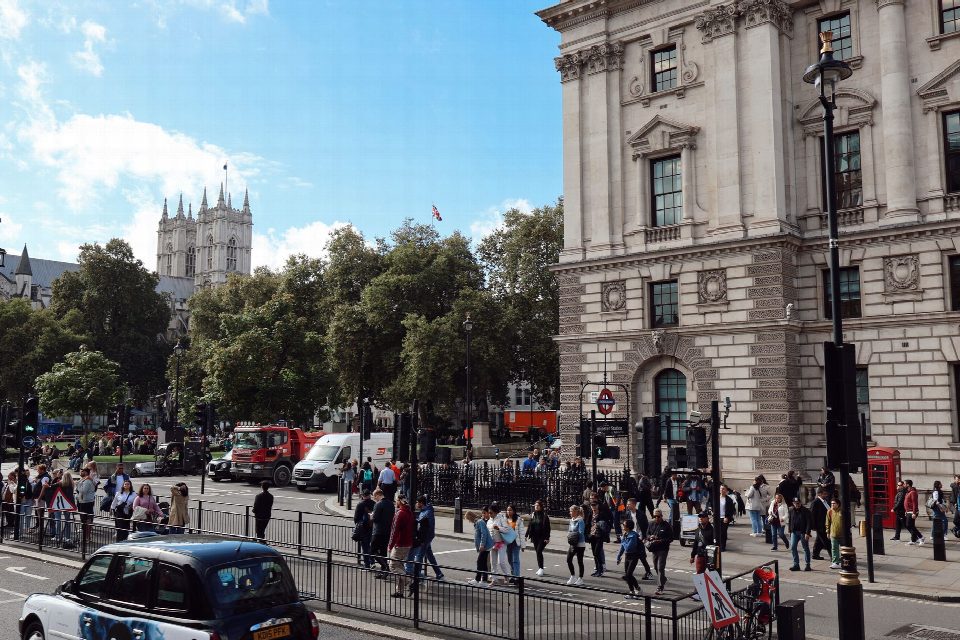
London was back in breach of the legal annual limit for nitrogen dioxide pollution in 2025, with Greater London among three UK zones where average concentrations exceeded 40 micrograms per cubic metre (µg/m³). The finding means London did not meet the annual air quality standard set under the Air Quality Standards Regulations 2010.
Bristol and Glasgow also exceeded the limit, while the other 40 assessment zones met it, according to the 2025 compliance assessment. The annual figure matters because long-term exposure can remain a concern even when day-to-day pollution levels are low.
What the assessment found
The assessment found no short-term episodes of elevated nitrogen dioxide during 2025. Daily readings at all sites in the Automatic Urban and Rural Network were in the ‘low’ pollution band, and no public alert thresholds were breached. That does not mean the annual limit was met: the two measures assess different exposure periods.
The number of UK zones over the annual limit has fallen from 40 in 2008, when the limits were first introduced, to three in 2025. No zones have exceeded the separate hourly limit since 2020. Average measured nitrogen oxide pollution, which includes nitrogen dioxide, fell from 178 µg/m³ in 1990 to 26 µg/m³ in 2025. The assessment identifies the move away from coal-fired energy as one factor in that decline.
Some local authorities also recorded annual nitrogen dioxide readings above the legal limit through their own monitoring in 2025. Those results were not included in the national assessment because the sites may not meet the regulations’ location requirements, which are intended to ensure measurements represent general exposure.
Calls for faster action
Zak Bond of Clean Cities said the result showed “the job isn’t done”. He said legal limits remain above the World Health Organization’s healthy levels and called for action to meet its guidelines.
Bond said diesel vans were a major contributor to nitrogen dioxide pollution in London and urged the Mayor, boroughs and businesses to speed up the use of electric vans and cargo bikes. He pointed to zero-emission freight zones in the Netherlands and said London should follow that example. The assessment does not set out a specific response or new timetable for London.
This report draws on information from airqualitynews.com.
Editorial checks passed Facts, figures and quotes checked against 1 source
Add London Headlines as a preferred source on Google