Kingston Thames pollution project gets royal backing
Kingston University researchers will test for pollutants and model water quality as part of a long-term ambition to make the Thames drinkable.
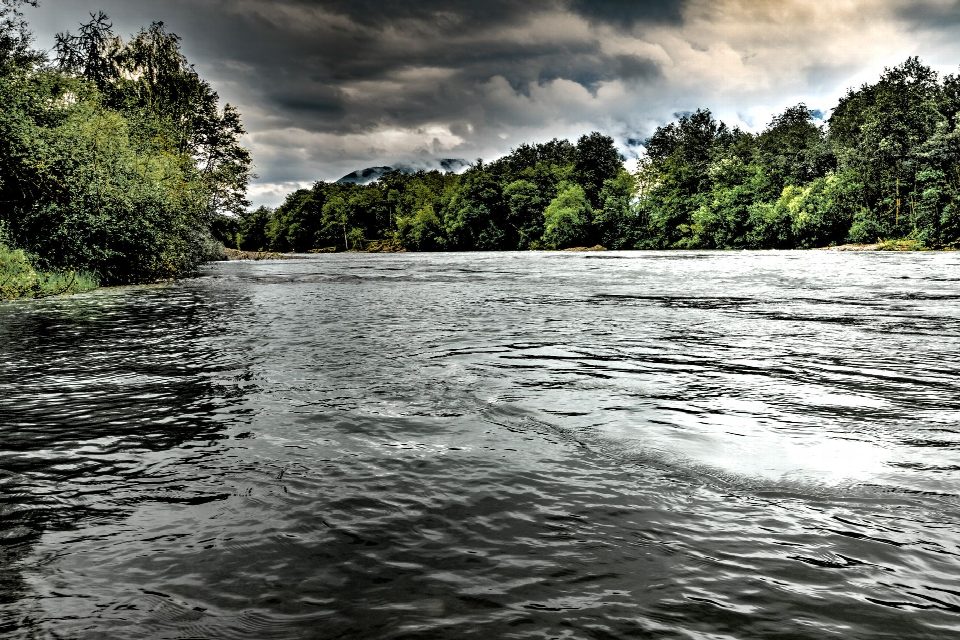
A project to monitor pollution in the River Thames and work towards making it drinkable has received royal backing in Kingston, after the Duke of Gloucester visited Canbury Gardens for its official opening.
The initiative brings together Kingston University researchers, local authorities and other partners. Its goal is to improve the health of the river and provide information that could help make riverside public amenities safer for residents and visitors.
Making the Thames drinkable is a long-term ambition, not a claim that the river is currently safe to drink. The project will build evidence about water quality along the river, including through monitoring at some locations in real time.
What will researchers test?
Kingston University’s School of Life Sciences, Pharmacy and Chemistry will analyse pollutants including heavy metals, pesticides, anti-cancer drugs, microplastics, pathogens and drugs of abuse. The team will also monitor the river’s ecology.
The testing will cover locations along the Thames, including the Windsor-to-Richmond corridor and the stretch from Teddington Lock seawards. Researchers will combine their findings with pollution modelling to develop a locally predictive forecasting model, which is intended to be publicly available.
Professor James Barker, Kingston University’s professor of analytical science, said the work aims to identify pollution risks earlier and improve access to reliable water-quality information. He described a drinkable Thames as a long-term vision.
How is the work funded?
The Royal Borough of Kingston, the London Borough of Richmond upon Thames and Surfers Against Sewage secured £45,000 to monitor the Windsor-Kingston-Richmond corridor. The Port of London Authority provided a further £65,000 for monitoring from Teddington Lock seawards.
The funding covers a three-year PhD studentship, consultancy and monitoring equipment. The project sits within Mayors for a Drinkable Thames, a network of boroughs, mayors, councillors and local stakeholders that has adopted the ambition of making the river drinkable.
This report draws on information from London Post.
Editorial checks passed Facts, figures and quotes checked against 1 source
Add London Headlines as a preferred source on Google