How to follow defense military news: practical guide for readers
A practical guide for readers of London Headlines on understanding defense military news, how it’s reported, and how to use it responsibly.

Readers asked for a clear way to approach defense military news. This guide cuts through jargon, showing what to look for, how stories are built, and how to read critically without missing context. You’ll gain practical steps to evaluate sources, verify facts, and understand the impact on public interest.
The guide starts with basics: what constitutes credible defense reporting, who the key players are, and how stories are refreshed as events unfold. It then moves toward actionable steps for readers to assess credibility, follow developing coverage, and distinguish opinion from fact.
By the end, you’ll have a straightforward framework to approach any defense-related story, with concrete examples and checklists you can use on a daily basis.
- Start with how defense coverage is produced and what signals credibility. Look for corroboration, dates, and named sources. Verify claims with multiple independent outlets and primary documents.
- Be aware of common pitfalls like selective data and sensational language. Compare timelines and seek official records to confirm.
- Develop a simple verification routine: cross-check, read corrections, and separate facts from opinion. Maintain a skeptical but fair mindset when evaluating military stories.
- Use this guide to filter noise, understand impact, and read defense reporting with confidence.
Basics of how defense coverage works
what drives coverage
Defense reporting relies on official briefings, independent observers, and on-the-ground verification. Reporters weigh official statements against corroborating evidence and track official timelines. Readers benefit from knowing how claims change as new information emerges. defense military news should be read with a critical eye to understand how information is gathered.
- Check the earliest official statement
- Cross-check with at least two independent sources
- Note significant changes in the story as new data arrives
- Mark any information that remains unverified
- Identify the primary source of a claim and look for corroboration
- Compare timelines across outlets to spot inconsistencies
- Note when a report relies on anonymous or single-sourced details
- Seek out independent analysis from think tanks or in-field observers
How to read for credibility

spotting reliable reporting
Credible reports cite verifiable facts, provide dates, and name sources clearly. Look for concrete details like locations, units, and timelines. Avoid pieces that rely heavily on unnamed officials or vague assertions. publish local events in the USA helps readers distinguish national and local coverage and confirms relevance.
Options for readers to verify claims
safely checking facts
Cross-check claims with multiple outlets and official sources. Use organizational websites, court records, and public statements to confirm details. Maintain a skeptical mindset and distinguish between confirmation bias and evidence. list your company in the USA ensures small businesses understand basic publicity steps and visibility in local media.
- Cross-check key facts across at least two independent outlets
- Visit official sources for primary documents
- Record dates and places mentioned in the report
- Look for any corrections or updates in follow-up stories
| Method | Pros | Caveats |
|---|---|---|
| Cross-checking with multiple outlets | increases reliability | may require time and effort |
| Using official records | authoritative | access can be limited or delayed |
| Reading corrections | clarifies updates | may appear after initial reports |
Pitfalls to avoid in defense reporting

common traps
Stories can rely on selective data, oversimplified timelines, or sensational language. Readers should watch for cherry-picked facts, unverified claims, and out-of-context statistics. Evaluate whether the narrative aligns with available evidence and official records. second-hand items for sale in the USA can benefit from clear, factual coverage that explains market trends and consumer guidance.
- Be wary of isolated anecdotes presented as whole truth
- Check if the story cites multiple sources
- Question whether the piece links to primary documents
When possible, include contextual background that clarifies what is known, disputed, or unconfirmed.
Ethical considerations in military journalism
Responsibilities to accuracy and harm
Editors and reporters must verify claims before publication, especially when casualty figures or operational details are at stake. Check primary sources, corroborate with multiple outlets, and avoid sensational language that could mislead readers. Ethical reporting also means considering the potential harm to individuals when publishing sensitive information. USA obituaries
- ☐ Always label uncertain information clearly in the article.
- ☐ If a source is anonymous, explain why and what safeguards are in place.
- ☐ Offer readers an update if new facts emerge.
When possible, include contextual background that clarifies what is known, disputed, or unconfirmed. This helps readers understand the limits of current knowledge without overstating what is true. Transparency about what remains unknown builds trust with a news-minded audience.
In practice, this means resisting pressure to publish immediately if accuracy is at risk. A cautious approach protects credibility and supports informed public discourse, even if it slows the pace of breaking news slightly.
- Verify sources before publishing
- Explain what is confirmed vs. unconfirmed
- Avoid exposing sensitive operational details
Balance and fair representation
Defence news should reflect a range of perspectives, including official statements, independent analysis, and affected communities. This involves presenting diverse voices while avoiding false equivalence when one side’s claims lack evidence. Balance strengthens credibility and informs readers more completely.
Structured reporting—who, what, where, when, why, and how—helps readers assess claims without bias. When possible, quote multiple verifiable sources and note any conflicts of interest. Clear attribution reduces confusion about where information originated.
Readers benefit from a transparent note on the limits of available information, especially in fast-moving scenarios. A concise editor’s note or explainer can clarify what is known and what remains contested.
- Include diverse, credible sources
- Avoid inflating the significance of unverified claims
- Be transparent about methodology and limits
Global perspectives on defense news
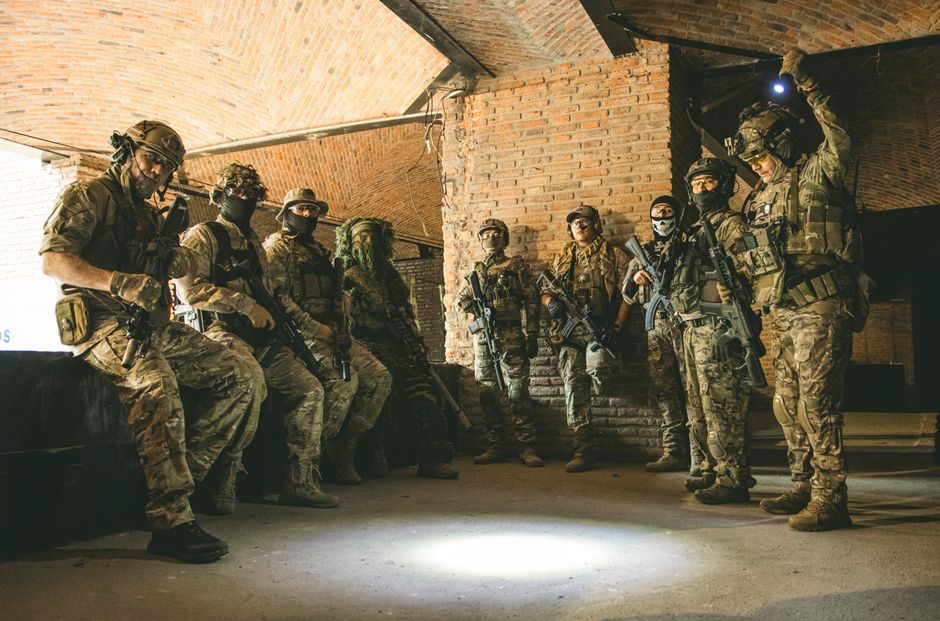
Regional security contexts
Defense coverage should situate events within regional dynamics, from alliance commitments to border disputes. Readers gain deeper understanding when reports connect a single incident to broader security trends. This framing helps audiences assess potential implications for diplomacy and humanitarian impact.
- Regional patterns influence domestic defense policy decisions.
- Allies’ statements can signal strategic recalibrations.
- Events in one region can have ripple effects elsewhere.
Comparative summaries show how different countries frame the same event, revealing biases and strategic priorities. Highlighting contrasting official narratives can illuminate gaps in information that readers might otherwise miss. The goal is to present a clearer picture, not to choose a side.
In practice, journalists should reference credible regional sources and official documents to corroborate claims across borders. This reinforces accuracy and combats a purely national perspective.
- Contextualize events in regional security ties
- Compare official narratives carefully
- Cite cross-border sources when available
Reporting across cultures
Language choices matter when covering defense, as terminology can carry weight across cultures. Use precise terms and avoid euphemisms that mask severity. Clear translation of key concepts helps non-native readers follow developments without misinterpretation.
Engage with regional experts to verify terminology and context. Cultural literacy reduces the risk of stereotyping or oversimplification. When possible, include local perspectives to balance official narratives.
Readers expect coverage that respects diversity and avoids sensationalism. A measured tone and careful sourcing build trust across audiences with different views on security.
Technology and defense reporting
Analysing weapons and systems
Explain how new weapons or platforms function in clear, non-technical terms. Focus on capability, limitations, and potential impact on readiness rather than flashy specifications. This approach helps readers gauge what a development could mean for safety and policy.
Describe the context of procurement, maintenance, and lifecycle concerns to avoid overemphasizing performance metrics. Readers benefit from understanding constraints such as logistics, supply chains, and interoperability with allies.
Whenever possible, compare new systems to established ones to illustrate progress or stagnation. Concrete contrasts aid comprehension and reduce confusion about technical jargon.
- Clarify capability and limits
- Highlight supply and maintenance issues
- Use plain-language comparisons
Open-source intelligence basics
Open-source data can provide timely context for military events, but it requires careful verification. Cross-check images, timelines, and claims with multiple independent sources before publishing. Treat OSS as supplementary rather than definitive evidence.
Develop a standard checklist for OSS vetting: source credibility, corroboration, and potential manipulation. Where possible, link to original OSS for readers who want to assess the material themselves. This transparency supports trust and accountability.
Explain the limitations of OSS and why official sources matter for confirmation. Readers should understand that open materials can be misleading or outdated, especially during rapid developments.
Reader engagement and transparency

Clarifying updates and corrections
Publish timely corrections when errors are found, with a clear explanation of what changed. Corrections sustain credibility and demonstrate commitment to accuracy. Readers appreciate visible accountability rather than silence.
Provide updates on developing stories in a predictable cadence, distinguishing new facts from evolving interpretations. A concise update note can prevent confusion and reduce misinformation.
Offer a direct channel for readers to flag concerns, such as a dedicated feedback form or email. Responsive editorial practices encourage trust and community involvement.
- Issue corrections promptly
- Use update notes for evolving stories
- Invite reader feedback openly
Practical ways to verify claims
Encourage readers to cross-check major stories with independent outlets and official releases. A simple attribution map helps readers see where information originates and how it was verified. This fosters media literacy and reduces the spread of rumor.
Publish sidebars that show sourcing steps, such as primary documents consulted or dates of verification. Visual summaries aid comprehension for busy readers who skim headlines rather than dive into full texts.
Highlight ongoing investigations and when information is still evolving. Clear messaging about certainty levels helps readers assess risk and decide what to rely on.
- Provide an attribution map
- Show verification steps transparently
- Label certainty levels clearly
Frequently asked questions
How should I judge the credibility of defense news reports?Assess whether the report cites multiple independent sources, distinguishes official statements from analysis, and provides verifiable documents or dates. Look for clear attribution and a note about what remains unconfirmed. Consistency across outlets is a strong signal of reliability.
What role do regional perspectives play in coverage?Regional perspectives shape emphasis and framing. A credible piece acknowledges these influences, provides contrasting viewpoints when available, and avoids presenting a single narrative as universal truth. Readers benefit from a balanced, multi-source approach.
How can I verify a claim on a breaking defense story?Cross-check with at least two independent outlets and consult official releases or primary documents when possible. If sources are uncertain, wait for confirmation or a transparent editor’s note. Avoid sharing unverified details.
What should I do if I notice potential bias?Note the specific claim and compare it with other reputable sources. Use the publication’s feedback mechanism to raise concerns. Engaging with the process helps improve coverage and accountability.
Further steps in defense journalism
Readers who want clearer, more reliable defense coverage should track how stories evolve and seek multiple independent viewpoints. This habit makes complex security issues more approachable and less prone to misinterpretation. Staying informed requires active readership and healthy skepticism.
Next, look for outlets that publish transparent sourcing and update notes, especially on fast-moving events. Following that practice strengthens trust and helps you distinguish between confirmed facts and speculation. The goal is steady, well-supported understanding rather than instant certainty.
Add London Headlines as a preferred source on Google