How to Find the Best Art Events in London: A Local Guide
Find London art events that suit your interests, from gallery exhibitions to public programmes, and learn how organisers can make local listings easier to find.

The best art event in London is the one that fits your interests, time and preferred way of taking part. Start with the format—such as a gallery exhibition, artist talk or neighbourhood showcase—then check the venue’s own listings and practical details. Comparing options across boroughs can reveal events beyond the best-known museums and galleries.
London’s arts programme spans major institutions, independent galleries, public spaces and community venues. Rather than relying on one events page, use a mix of venue calendars, borough updates and arts organisations’ own announcements, and confirm details with the organiser before setting out.
For organisers, a clear listing helps residents decide whether an event is relevant and how to attend. Useful pages explain what is happening, where it is, who it is for and whether visitors need to book, while accurate dates and access information make the event easier to share.
- Choose an event by format, subject and the kind of experience you want.
- Use venue, borough and arts-organisation listings, then verify details with the organiser.
- Look beyond major galleries to independent spaces, public art and community venues.
- Clear, current listings help London residents decide whether and how to attend.
What counts as an art event in London
More than gallery exhibitions
An art event can be an exhibition, a guided tour, an artist talk, a workshop or a temporary installation in a public place. In London, these formats appear in major museums, independent galleries, libraries and community venues, so the word “event” does not necessarily mean a one-off performance or ticketed evening.
Some programmes combine several formats: a gallery may pair a display with a discussion, while a local arts organisation might invite residents to make work together. Check the event description to see whether you are attending as a viewer, taking part in an activity or meeting an artist, as that changes what to expect.
Public art also belongs in the picture, although it may not have a formal start time or entry process. A sculpture, mural or temporary installation can be part of a wider programme with talks or walks, so look for the organiser’s context before treating the artwork as a standalone listing.
Choose a format that fits
Choose by the experience you want, not just by the artwork’s subject. A quiet exhibition visit gives you time to look at your own pace, while a talk offers context and a workshop asks for active participation; listings should make these differences clear before you travel.
If you are going with children, friends or someone who needs step-free access, check the event’s audience and access notes before choosing. A venue may host both drop-in activities and timed sessions, and those formats can have different arrival arrangements even when they are part of the same programme.
Think about how much time you have and whether you want to explore one venue or make an outing of it. A display in a nearby gallery may suit a short visit, while an organised walk through public art can make a longer route the main part of the experience.
- Exhibition: browse artworks at your own pace.
- Talk or tour: hear interpretation from a guide or artist.
- Workshop: take part in a practical activity.
- Public art walk: follow a route between outdoor works.
How to find events that match your interests
Search with a clear starting point
Begin with a subject, format or part of London you already care about, then check the relevant venue and arts organisation calendars. Searching for a specific interest—such as photography, contemporary sculpture or family workshops—usually gives more useful results than looking for every event across the capital at once.
- Choose an art subject or event format.
- Add a borough or area to narrow the search.
- Open the organiser’s listing to check details.
- Confirm booking and access information before travelling.
Once you find a promising listing, confirm the information on the organiser’s own page. Third-party calendars can help you discover events, but the venue is the best place to check whether a session is still running, whether booking is required and what access arrangements apply.
You can also follow venues and local cultural organisations whose programmes regularly suit you. Their newsletters and social channels can surface smaller events that are easy to miss in broad listings, while borough arts pages may point to exhibitions and community showcases closer to home.
Check the practical details
Read the full listing before making plans, especially if it involves a timed talk, workshop or guided visit. Check the venue, event date, start time, booking requirements and any age guidance, then look for access information rather than assuming every part of a building or route is suitable.
For outdoor events, check where the group meets and whether the programme depends on weather or a particular route. A public-art walk may cover a larger area than expected, and a meeting point described only by a nearby landmark can be difficult to identify without a map or organiser contact details.
Save the organiser’s page so you can check for changes on the day. If details conflict across listings, rely on the venue or programme organiser and ask them directly when something important—such as step-free access or a session’s availability—is still unclear.
Where to look for exhibitions and public art
Start with London institutions
Major museums and galleries are reliable starting points for exhibitions, talks and public programmes, with their own calendars setting out what is currently on. Check the institution’s event page as well as its exhibition listings, because workshops, tours and discussions may appear as separate entries rather than alongside the main display.
- Relying only on major museums; add independent venues and borough listings.
- Assuming a gallery listing covers its talks; check the separate events calendar.
- Treating a third-party entry as final; verify details with the organiser.
Look beyond the largest institutions to independent galleries and arts spaces across areas such as South Bank, Shoreditch and Peckham. These places can present different artists and formats, while their own websites or social channels are often the clearest source for opening arrangements and event details.
A borough’s cultural pages, libraries and community venues can help you find showcases nearer to home. Local listings may include work by residents or groups that does not appear in national arts calendars, so checking both the venue and the borough can give a fuller picture of what is happening nearby.
- Museum and gallery event calendars.
- Independent gallery websites and social channels.
- Borough arts pages and library notices.
- Community arts organisations’ programme listings.
| Option | Best for | Check |
|---|---|---|
| Major museum or gallery | Exhibitions and talks | Separate event calendar |
| Independent gallery | Local exhibitions | Opening and booking details |
| Borough arts page | Nearby programmes | Venue’s own listing |
| Public art route | Outdoor works and walks | Meeting point and route |
Find art beyond gallery walls
Public art can be found in streets, parks and shared spaces, but the work may not advertise itself as an event. Look for local art trails, public-programme pages and council cultural listings that explain where works are and whether a guided activity accompanies them.
London’s South Bank offers a familiar setting for public-facing arts activity, while neighbourhood routes elsewhere can connect murals, installations and community projects. Check whether a route is self-guided or led at a set time, and whether the organiser provides a map or meeting point before you head out.
Community showcases often appear in libraries, local halls and other neighbourhood venues, where artists and groups can present work to nearby audiences. These events may be promoted through a venue noticeboard or a local organisation rather than a large ticketing platform, so checking familiar local channels can help.
Use a specific title and a plain-language description that names the art form, venue or area and event format.
How event organisers help audiences find listings
Make listings clear and searchable
A useful event page answers the reader’s basic questions immediately: what the event is, where and when it happens, who it suits and how to attend. Organisers preparing event pages can use Seo Services to review how clearly their listings appear in search results, alongside checking that the page itself gives residents practical details.
Use a specific title and a plain-language description that names the art form, venue or area and event format. A listing called an artist talk or family workshop tells people more than a vague promotional heading, while consistent wording across the website and social posts helps audiences recognise the same event.
Keep dates, booking instructions, access notes and contact details together on the page, and update them when arrangements change. Organisers should also make the page readable on a phone, since residents often check an event while deciding where to go or how to travel.
Build trust through local details
Local audiences need more than an event name: they need a clear venue location, useful arrival information and an explanation of who can attend. Naming the borough or neighbourhood can help residents judge whether an event is convenient, while a map or transport note can make an unfamiliar venue easier to reach.
Describe access arrangements in practical terms, including step-free routes, seating or any limits on participation where that information is available. If a detail has not been confirmed, say how visitors can ask rather than leaving them to guess; this is especially helpful for workshops and events in temporary or outdoor spaces.
Promote the same essential information through venue calendars, borough channels and community partners, then direct every post to the current event page. That makes it easier for residents to share accurate details and reduces confusion when times, booking arrangements or meeting points change.
- State the event format and intended audience.
- Give the venue and neighbourhood clearly.
- Explain booking and access arrangements.
- Update listings when plans change.
Choosing between galleries, fairs and community events
Match the format to your visit
Choose an event format by thinking about how you want to spend your time, not just which artwork you hope to see. A gallery exhibition usually gives you room to look closely and move at your own pace, while an art fair can offer a broader mix of artists and stalls in one visit. Community showcases often include local voices and a more informal atmosphere.
- ☐ Check whether entry requires advance booking.
- ☐ Confirm the venue and its nearest transport options.
- ☐ Read the access information before setting out.
- ☐ Allow time for talks or activities listed in the programme.
For a quieter visit, check whether a gallery offers a regular exhibition viewing or a guided session. If you want to compare different practices, a fair may suit you better, though crowds and busy aisles can make it harder to linger. A neighbourhood showcase can be a good choice when you want to meet makers and see work connected with its area.
Think about who is coming with you and how much time you have. A short visit between other plans may fit a compact exhibition, while a public programme with talks or demonstrations needs more time. Before deciding, read the event description for its format, access details and any scheduled activities, rather than relying on the title alone.
- Choose galleries for focused viewing.
- Choose fairs to compare a range of work.
- Choose community showcases for local perspectives.
- Check timings before planning a longer visit.
Read the programme closely
A programme can tell you whether an event is mainly for looking, learning or taking part. Look for practical details such as guided tours, artist talks, workshops and family activities, then decide which ones matter to your group. These details help distinguish a full public programme from a display that is intended for a brief visit.
Check whether activities happen at set times or run throughout the day. If a talk is scheduled, arriving early may help you find a place and see the exhibition beforehand. For workshops, the listing should explain any booking requirements and whether materials or participation arrangements are provided by the organiser.
Consider the venue as part of the experience, too. A large exhibition space may reward a longer visit, while a small community display can fit neatly into a walk around the local area. Read the description for information about the artists and themes so you can judge whether the event is likely to hold your interest.
Making an event easy to discover across London

Make essential details clear
Organisers make an event easier to find when every listing gives the same clear essentials: what is happening, where it is, when it runs and how visitors can attend. Use a recognisable event title and describe the art or activities in plain language. This helps residents decide quickly whether the event suits them and whether they can fit it into their plans.
Keep the venue name, address details, dates and booking instructions consistent wherever the event appears. A change made on one platform but not another can leave visitors unsure which information is current. Local Seo Services can help venues and organisers make their event and location information easier for nearby audiences to find.
Add practical details that answer common visitor questions, including access arrangements, entry requirements and whether activities are suitable for children. Use images that genuinely represent the event, with captions or descriptions that identify what visitors are seeing. Clear information is more useful than promotional language because it lets people make an informed choice.
- State the event format and dates.
- Use consistent venue and booking details.
- Explain access and entry arrangements.
- Choose images that reflect the actual programme.
Share listings through local channels
Reach nearby residents by sharing event information through channels they already use, such as a venue’s own updates, community noticeboards and borough arts networks. Ask partners to use the same event description and practical details, so a listing stays recognisable as it moves between different audiences. Tailor the introduction to each channel without changing the facts.
A listing becomes more useful when it explains why the event may matter to the area. Mention a local artist, a community partnership or a public activity when that detail is relevant and confirmed. Avoid broad claims about who will attend; instead, give readers enough information to decide whether the programme interests them.
Make it simple for people to share accurate information. Provide a short description, an image with suitable usage permission and a clear route to the latest event details. If the programme changes, update the main listing first and then tell partner channels what has changed, so audiences are not left with conflicting versions.
Reaching audiences beyond the capital
Explain the wider invitation
A London arts organisation can welcome visitors from elsewhere by making the event’s purpose and practical arrangements easy to understand. State whether the programme is open to the public, whether booking is needed and what visitors can expect. People unfamiliar with the area may need clearer orientation than regular local audiences, especially when a venue is part of a larger site.
Describe the nearest well-known transport connections and the final approach to the venue, using details that have been checked with the location. Explain any entry point or building access arrangements that could otherwise be confusing. Keep directions separate from the artistic description so readers can quickly find the information they need to plan a visit.
If an organisation has a real, staffed Leicester location, Leicester Seo Services can help keep that local branch’s information consistent online. For a London event seeking visitors from further afield, the same basic principle applies: publish reliable details about the specific place and programme. Do not suggest that a local branch exists unless it is genuinely staffed and open.
- Say clearly whether the public can attend.
- Explain booking and entry arrangements.
- Check transport and access details with the venue.
- Keep information about separate locations distinct.
Keep location information accurate
When an arts organisation operates in more than one place, visitors need to know which location hosts each event. Put the full venue name beside the event details and make the relevant location easy to identify on the organisation’s website. This prevents audiences from assuming that a London programme is taking place at a branch elsewhere.
Check location details whenever a programme changes, a venue moves or an organisation updates its public-facing information. Include only access and transport details that apply to that specific site. If a programme involves several venues, name each one and explain whether visitors need to travel between them.
Keep the event listing useful even when it is shared outside the organisation’s own channels. A reader should be able to identify the event, its host venue and the current attendance arrangements without searching through unrelated pages. Review partner listings after updates, since copies of earlier information can remain in circulation.
Practical checks before you go
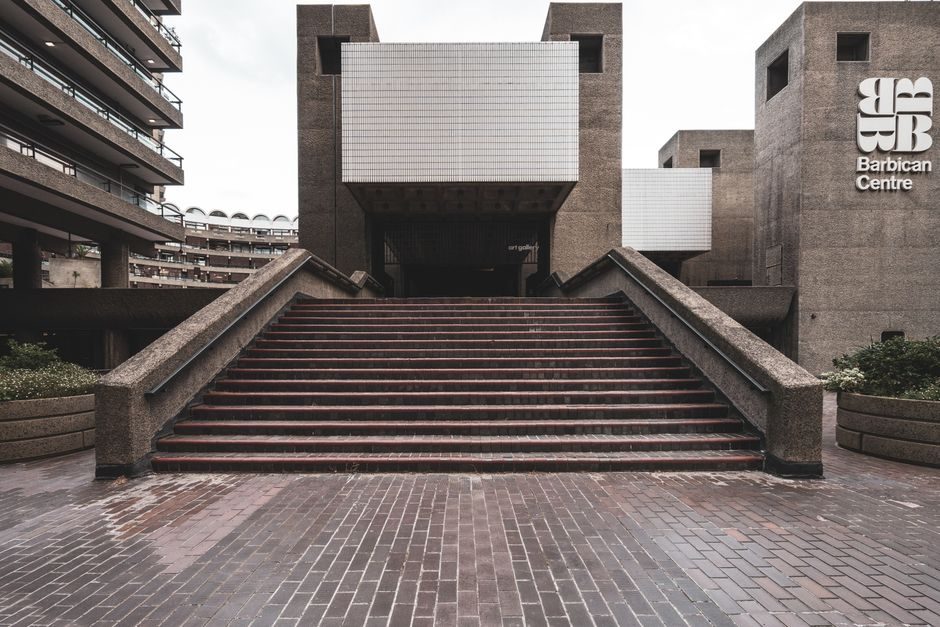
Confirm arrangements before travelling
Check the event’s latest official information before setting out, especially if your visit depends on a timed activity or a particular venue entrance. Confirm opening arrangements, booking requirements and any changes to the programme. Do not assume that a general gallery opening time also applies to a talk, workshop or community event held there.
- Check current event details before travelling.
- Plan for the specific venue entrance and route.
- Confirm access needs with the organiser when unclear.
Plan the journey around the event’s actual location rather than a broad area name. London venues can sit a walk away from the station or bus stop that appears closest on a map, and access routes may differ from the main entrance. Check the venue’s own guidance for step-free access and any entry instructions relevant to your visit.
If you are attending with children or someone who needs particular access arrangements, check those details directly in the event information. Look for clear guidance about seating, lifts, quiet spaces or participation requirements where relevant. When the listing is unclear, contact the organiser through its published channel before travelling, rather than relying on assumptions.
- Recheck the event’s current listing.
- Confirm timed entry or activity requirements.
- Check the route to the exact venue entrance.
- Review relevant access information before leaving.
Prepare for a flexible visit
Leave room in your plan for the time an exhibition actually takes, rather than trying to fit several distant venues into a single short outing. A compact display may take less time than a large show with talks or activities, but individual interests vary. Check the programme and make one main event the anchor for your visit.
Save the venue details and booking confirmation somewhere easy to find, particularly if you are travelling with other people. Agree on a meeting point if your group may arrive separately or split up inside a busy space. These small steps make it easier to respond calmly if plans change or someone loses mobile signal.
Treat event listings as useful guidance, not a guarantee that every detail will remain unchanged. Organisers may update timings or access arrangements, so check for a notice before you leave. If a planned activity is cancelled, look for another part of the programme or nearby event only after confirming that it is open and suitable.
Frequently asked questions
How can I tell whether an art event is suitable for children?Read the event description for age guidance, family activities and any participation requirements. Check whether the venue provides practical information about access, seating or facilities that matter to your group. If the listing does not answer a specific question, contact the organiser before travelling. An event need not be labelled specifically for families to be suitable, but its format and arrangements should work for your visit.
What should I do if an event listing gives conflicting details?Check the organiser’s official event page first, then look for a recent update from the venue or programme partner. Give priority to information that is clearly current, and contact the organiser if dates, entry arrangements or location details still disagree. Avoid relying on an older shared post when a newer listing is available, since event plans can change after information has been copied elsewhere.
Can I attend an exhibition without booking?It depends on the venue and the particular event. Some exhibitions may allow visitors to arrive without advance booking, while timed activities or busy programmes can have separate requirements. Read the current listing for entry instructions before setting out, and check whether the rules differ for talks or workshops. If booking information is missing, confirm it with the organiser rather than assuming entry is available.
How do I find art events in my borough?Start with the websites and updates of galleries, arts venues and community organisations in your borough, then check local council or community event listings where available. Search using the borough name alongside the type of activity you want, such as an exhibition, workshop or public art programme. Confirm all practical details on the organiser’s own listing before you travel.
Choose an event that fits your plans
The best art event in London is the one that suits your interests, time and travel plans, whether that means a focused gallery visit, a lively fair or a neighbourhood showcase. Compare the format and programme, then check the venue details and access arrangements. For organisers, clear and consistent listings make it easier for residents and visitors to understand what is on and decide whether to attend.
Choose one event that appeals to you and check its current official listing before making plans. Confirm when it is open, how to enter and whether any activity requires booking, then map the route to the exact venue. If you are organising a programme, review your event details across every place they appear and correct inconsistencies before sharing them further.
Add London Headlines as a preferred source on Google