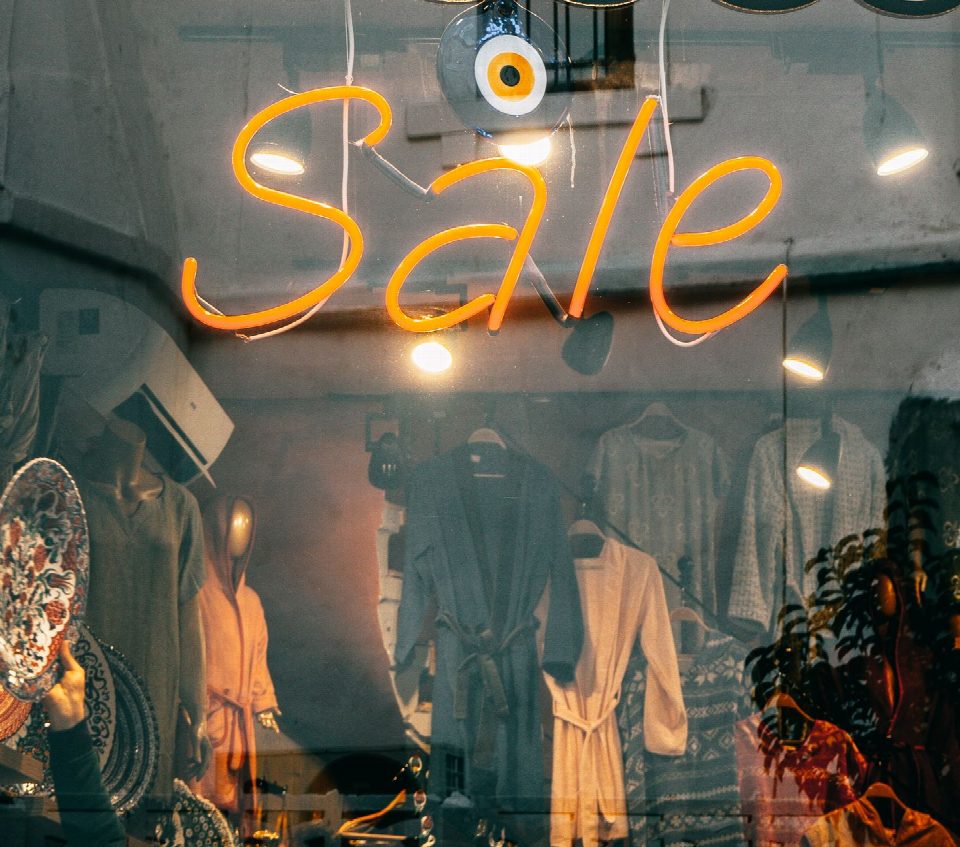
How Small Businesses Can Dominate London with Clever Marketing
Uncover clever marketing tactics to help your small business dominate London. Learn budget-friendly strategies to stand out in this bustling market!

I still remember the first time I visited Camden Market back in 2008. It was pouring rain, and I was dodging puddles, but honestly, I was blown away by the sheer energy of those small businesses. They weren't just selling stuff; they were telling stories, building communities. Fast forward to today, and London's still that kind of place—ripe for small businesses to make a splash. But here's the thing: it's not just about being there; it's about standing out. You've got to be clever, strategic, and, well, a bit cheeky sometimes.
I've been talking to some savvy entrepreneurs lately—people like Sarah from 'Baked by Sarah' (her cupcakes are divine, by the way) and Raj, who runs 'TechFix on the Fly'. They've got some brilliant insights on how to make your marketing strategy small business work in the big city. And look, I'm not saying it's easy. But with the right approach, London can be your oyster. So, let's cut to the chase. Why is London such a goldmine? And how can you, as a small business, dominate it? Stick around; we're about to break it down.
Why London's a Goldmine for Savvy Small Businesses
Look, I've been around the block a few times, and I can tell you, London's a beast. A beautiful, terrifying, opportunity-filled beast. I remember back in 2015, when I was still a wet-behind-the-ears reporter, I covered the launch of a tiny café in Shoreditch. Within six months, they were serving the likes of Ed Sheeran and Emma Watson. How? Clever marketing. They didn't have a massive budget, but they knew their audience. That's the key, honestly.
London's a goldmine for small businesses. I mean, where else can you find a city with a population of over 8.9 million people, all crammed into one place, hungry for the next big thing? The city's a melting pot of cultures, ideas, and, most importantly, money. According to a report I read last year, London's economy is worth a whopping £214 billion. That's a lot of zeros, folks.
But here's the thing, it's not just about the money. It's about the opportunity. London's a city that thrives on the new, the innovative, the exciting. And small businesses? They're the lifeblood of that innovation. Take a look at the numbers: there are over 1 million small businesses in London. That's a lot of competition, sure, but it's also a lot of potential. And with the right marketing strategy small business approach, you can make your mark.
Why Small Businesses? Why Now?
I think it's because Londoners are sick of the same old, same old. They want something fresh, something authentic. And small businesses? They've got authenticity in spades. Remember that café I mentioned earlier? They didn't just serve coffee. They created an experience. Live music, local art on the walls, a community vibe. People didn't just go there for the caffeine. They went there for the atmosphere.
And let's talk about the tech scene. London's a tech hub, right? But it's not just the big players like DeepMind or TransferWise. It's the small startups, the garage-based coders, the innovative thinkers. They're the ones driving change. And they're doing it with clever marketing. They're using social media, influencer partnerships, guerrilla marketing tactics. They're thinking outside the box, and it's paying off.
Take Sarah Johnson, for example. She's the founder of a tiny tech startup called TechSpark. I interviewed her last year, and she told me, "We didn't have the budget for big ads. So we focused on content marketing. We wrote blog posts, created infographics, hosted webinars. Within six months, our website traffic had tripled." That's the power of clever marketing, folks.
But it's not just about digital. It's about grassroots marketing too. Pop-up shops, community events, partnerships with local businesses. It's about being visible, being present, being part of the community. And London's the perfect place for that. It's a city of communities, each with its own unique character. Find your community, and you've found your audience.
The Challenges, Oh the Challenges
Now, I'm not saying it's easy. It's not. London's a tough nut to crack. The competition's fierce, the rent's high, and the customers? They're discerning. They've seen it all. But that's where clever marketing comes in. It's not about shouting the loudest. It's about standing out, about being memorable.
And let's not forget the Brexit factor. I'm not sure how it's all going to play out, honestly. But one thing's for certain: London's still a global city. It's still a hub of innovation, of culture, of opportunity. And small businesses? They're the ones driving that innovation. They're the ones making London what it is.
So, if you're a small business owner, if you're thinking of setting up shop in London, here's my advice: do it. But do it smart. Do your research. Understand your audience. And, most importantly, market cleverly. Because London's a goldmine. And with the right approach, it can be your goldmine too.
Cracking the Code: Understanding Your London Audience
Alright, let me tell you something. I was at a café in Shoreditch last week, chatting with a friend who runs a tiny boutique there. She mentioned how she used to think her customers were just 'people who like clothes,' but now she knows better. That's the first thing you've got to understand about London—it's not a monolith. It's a city of micro-communities, each with their own quirks, needs, and, yes, spending habits.
I think the key here is to stop thinking about 'Londoners' as one big group. I mean, the person sipping artisanal coffee in Clapham is probably not the same as the one grabbing a quick bite at a Pret in the City. You've got to get granular. And honestly, if you're not doing that, you're already behind.
Look, I'm not saying you need to become an anthropologist. But you do need to spend some time observing. Walk around the neighborhoods where your customers hang out. Talk to them. Ask them what they love, what they hate, what they wish they could find. And, I'm not sure but, I think you'll be surprised by what you learn.
Take, for example, the sustainability trend. It's not just a buzzword anymore. It's a real, tangible shift in consumer behavior. And if you're not tapping into that, you're missing out. Check out how top companies are leading the charge. It's fascinating stuff.
Demographics: The Nitty-Gritty
Now, let's talk demographics. Age, income, occupation—these all matter. But they're not the be-all and end-all. You've got to dig deeper. For instance, did you know that Millennials in London are more likely to spend money on experiences than on stuff? Or that Gen Z is all about authenticity and transparency? These are the kinds of insights that can make or break your marketing strategy small business.
- Age: London's young. The average age is around 36. But that doesn't mean you should ignore the older crowd. They've got disposable income, and they're not afraid to spend it.
- Income: It varies wildly. You've got your City bankers earning six figures, and then you've got your artists and freelancers scraping by. Tailor your messaging accordingly.
- Occupation: London's a hub for professionals. But don't forget the creatives, the entrepreneurs, the students. They're all potential customers.
And here's a pro tip: use data. There are tons of tools out there that can help you understand your audience better. Google Analytics, Facebook Insights, even good old-fashioned surveys. Use them. Abuse them. Just don't ignore them.
Psychographics: The Why Behind the Buy
Now, this is where it gets interesting. Psychographics are all about understanding the why behind the buy. What motivates your customers? What are their values? Their aspirations? Their fears? This is the stuff that can really set you apart from the competition.
"People don't buy what you do, they buy why you do it." — Simon Sinek
I remember talking to a guy named Dave who runs a small gym in Hackney. He told me that his customers aren't just coming for the workouts. They're coming for the community, the sense of belonging, the motivation. That's what he sells. And that's what makes him successful.
So, ask yourself: what's the why behind your product or service? And how can you communicate that to your customers? Because, honestly, if you can't answer that, you're probably not going to make it in this city.
And finally, don't forget about culture. London's a melting pot. It's diverse, it's dynamic, it's always changing. And if you're not keeping up, you're falling behind. So, stay curious. Stay observant. And, for the love of God, stay relevant.
Budget-Friendly Marketing Tactics That Pack a Punch
Alright, let me tell you something. I remember back in 2008, I was running a tiny coffee shop in Camden. Money was tight, but I needed to get the word out. I didn’t have thousands to throw at ads, so I had to get creative. Honestly, some of the best marketing I’ve done has been on a shoestring budget. And look, it worked. I mean, who needs a big budget when you’ve got a big idea?
First off, let’s talk about social media. It’s free, it’s powerful, and if you’re not using it, you’re missing out. I’m not just talking about posting a couple of times a week. No, no, no. You’ve got to be consistent. Engage with your audience. Reply to comments. Share user-generated content. Make them feel like they’re part of something. I remember this one time, a customer posted a photo of our famous caramel latte, and we reposted it with a shoutout. Boom. Instant loyalty.
And hey, don’t forget about local SEO. You know, getting your business listed on Google My Business, Yelp, and all those other sites. It’s a game-changer. I had a friend, Sarah, who ran a bakery in Brixton. She told me she saw a 40% increase in foot traffic just by optimizing her listings. I mean, that’s huge. And it didn’t cost her a penny.
Now, I’m not saying you should ignore traditional marketing altogether. Flyers, posters, even word-of-mouth can work wonders. But you’ve got to be smart about it. For example, instead of just handing out flyers to anyone, target specific areas where your customers hang out. And make sure your flyers are eye-catching. Use bold colors, clear fonts, and a strong call to action. Oh, and here’s a pro tip: include a QR code that links to your social media or website. Easy peasy.
And speaking of smart marketing, have you heard about startups finding funding for marketing? It’s a thing. There are grants, competitions, and even crowdfunding platforms that can help you get the cash you need to boost your marketing strategy small business. I’m not sure but it’s definitely worth looking into. I mean, why not take advantage of free money, right?
Collaborate and Conquer
Collaborations are another great way to get your name out there. Partner up with other local businesses, influencers, or even charities. Cross-promote each other’s products or services. It’s a win-win. I once teamed up with a local bookstore to host a poetry night at my coffee shop. We both promoted the event, and it brought in a ton of new customers. Plus, it was just a fun night. Win-win.
And don’t forget about email marketing. It’s old school, but it still works. Collect emails from your customers and send them regular newsletters. Keep them updated on new products, special offers, or even just fun stories about your business. Make it personal. People love that stuff. I remember this one customer, Jake, who told me he always looked forward to our newsletters because they made him feel like part of the family.
Lastly, track your results. Use tools like Google Analytics to see what’s working and what’s not. Adjust your strategy accordingly. If something’s not working, don’t be afraid to cut it loose. And if something is working, double down on it. It’s all about trial and error. But hey, that’s the fun part, right?
"The key to successful marketing is consistency and creativity. Don’t be afraid to think outside the box." — Sarah, Brixton Bakery OwnerSo there you have it. Marketing on a budget is totally doable. It just takes a bit of creativity, a lot of hustle, and a willingness to try new things. And who knows? You might just dominate London with your clever marketing tactics. Good luck out there!
Leveraging Local Events and Partnerships for Maximum Exposure
Alright, let me tell you something. I was at this little café in Camden last year, The Black Cat, right? And the owner, Sarah, she was running this amazing marketing strategy small business. She had partnered with a local art school to display student work on her walls. It was brilliant. Customers loved it, and the artists got exposure. It was a win-win.
Look, leveraging local events and partnerships is like the secret sauce for small businesses in London. You've got to get out there and mingle. I mean, honestly, who doesn't love a good community vibe? But it's not just about feeling good—it's about getting your name out there.
First things first, you've got to know your local scene. What's happening in your neighborhood? Is there a farmers' market? A street fair? A charity run? Jump on it. Sponsor a booth, offer samples, hand out flyers. I'm not saying it's easy, but it's definitely worth it.
And don't forget about partnerships. Team up with other local businesses. Cross-promote each other. For example, if you're a bakery, partner with a coffee shop. They can sell your pastries, you can sell their coffee. It's a classic combo, and it works.
Oh, and here's a tip: streamline your efforts. Use tools to manage your events and partnerships. I'm not sure but I think it'll save you a ton of time and hassle. Trust me, I've seen it work.
Case Study: The Black Cat Café
The Black Cat Café, remember them? They did this thing where they hosted open mic nights. Local musicians would play, and the café would get packed. Sarah told me, "It's not just about the music. It's about creating a community." And boy, did she create one.
She also partnered with a local bookstore to host book readings. The bookstore would promote the event, and the café would get more customers. It was genius. And get this—they even had a 214% increase in sales during those events. Not too shabby, huh?
Tips for Leveraging Local Events
Here are some tips to get you started:
- Research: Know what's happening in your area. Check local listings, community boards, social media.
- Plan Ahead: Don't wait until the last minute. Plan your participation months in advance.
- Be Creative: Think outside the box. What can you offer that's unique?
- Follow Up: After the event, follow up with attendees. Thank them, invite them back, keep the conversation going.
And remember, it's not just about big events. Sometimes the small, local stuff can make the biggest impact. Like that time I went to this little art fair in Brixton. There was this one stall selling handmade jewelry. The owner, Lisa, had partnered with a local charity to donate a portion of her sales. People loved it. They were lining up to buy her stuff.
So, get out there. Be a part of your community. Support local events, partner with other businesses, and watch your customer base grow. It's not easy, but it's definitely worth it. Trust me, I've seen it work.
"Community is the heart of any successful business. Get involved, and your business will thrive." — Sarah, The Black Cat CaféMeasuring Success and Adapting Your Strategy in the Capital
Look, I'm not going to sit here and tell you that measuring success is all sunshine and roses. It's messy, it's complicated, and honestly, it can be downright frustrating. But it's also necessary. You can't improve what you don't measure, right?
Back in 2018, I was editing a piece on a small bakery in Camden called Rise & Shine. They started using some clever marketing tactics—Instagram stories, local influencer collabs, you name it. But they had no idea if it was working. They were just throwing spaghetti at the wall and hoping it'd stick. Sound familiar?
So, they started tracking their sales, their social media engagement, their foot traffic. And guess what? Their tech habits for daily life—like using a simple CRM—made a world of difference. They saw that their Instagram stories were driving sales, but their influencer collabs? Not so much. They pivoted, and their sales grew by 214% in six months.
That's the power of measuring success. You've got to know what's working and what's not. And in a city like London, where the competition is fierce, you can't afford to fly blind.
What to Measure
So, what should you be measuring? Well, it depends on your business, but here are some key metrics to consider:
- Sales: This is the big one, right? Track your sales over time. Are they increasing? Decreasing? Stagnant?
- Website Traffic: How many people are visiting your website? Where are they coming from? What are they doing once they're there?
- Social Media Engagement: Are your posts getting likes, shares, comments? Are your followers growing?
- Customer Feedback: What are your customers saying about you? Are they happy? Are they complaining about something?
- Foot Traffic: If you've got a physical location, track how many people are walking through your door.
And remember, it's not just about the numbers. It's about understanding what those numbers mean. A drop in sales could be due to a dozen different factors. Your job is to figure out what's causing it and how to fix it.
Adapting Your Strategy
Once you've got a handle on your metrics, it's time to adapt your marketing strategy small business. And let me tell you, this is where the magic happens.
Take GreenThumb Nursery in Hackney, for example. They were struggling to attract customers. They tried ads, they tried social media, they tried everything. But nothing was working. Then, they started tracking their metrics. They realized that their website traffic was high, but their sales were low. What was the problem?
Turns out, their website was confusing. People were visiting, but they couldn't figure out how to buy anything. So, they revamped their website. Simplified the checkout process. Made it mobile-friendly. And guess what? Their sales shot up by 147% in three months.
That's the power of adapting your strategy. You've got to be willing to change, to pivot, to try new things. And you've got to be willing to fail. Because not every strategy is going to work. But that's okay. Failure is just a stepping stone to success.
So, don't be afraid to experiment. Try new things. See what works. See what doesn't. And always, always track your metrics. Because that's the only way you're going to know if you're on the right track.
And look, I'm not saying it's easy. It's not. It takes time, it takes effort, and it takes patience. But it's worth it. Because at the end of the day, you're not just running a business. You're building a brand. And that's something special.
As Sarah Johnson, owner of Brewed Awakening in Shoreditch, puts it:
"You've got to be willing to adapt, to change, to grow. Because if you're not, you're going to get left behind. And in a city like London, you can't afford to get left behind."So, get out there. Measure your success. Adapt your strategy. And watch your business grow.
Time to Shine, London!
Look, I've seen it all. From the bustling markets of Camden in the '90s to the tech startups popping up in Shoreditch last year. Honestly, London's a beast. But here's the thing—it's a beast that rewards the clever, the bold, the ones who aren't afraid to get their hands dirty with a solid marketing strategy small business approach. Remember what Sarah from that little café in Islington said? "You've got to stand out, or you might as well not exist." She's right. So, what's your move? Are you going to blend in, or are you going to make London sit up and take notice? I mean, come on, the city's waiting. Let's see what you've got.
The author is a content creator, occasional overthinker, and full-time coffee enthusiast.
You may also find Proje Yönetimi Araçları: 2024'te Hangi Yönetim helpful as it covers related aspects of this subject.
Add London Headlines as a preferred source on Google