How interior design news helps readers spot trends quickly
A clear guide on how interior design news informs readers, with practical steps to assess trends, sources, and impact for home and business readers.
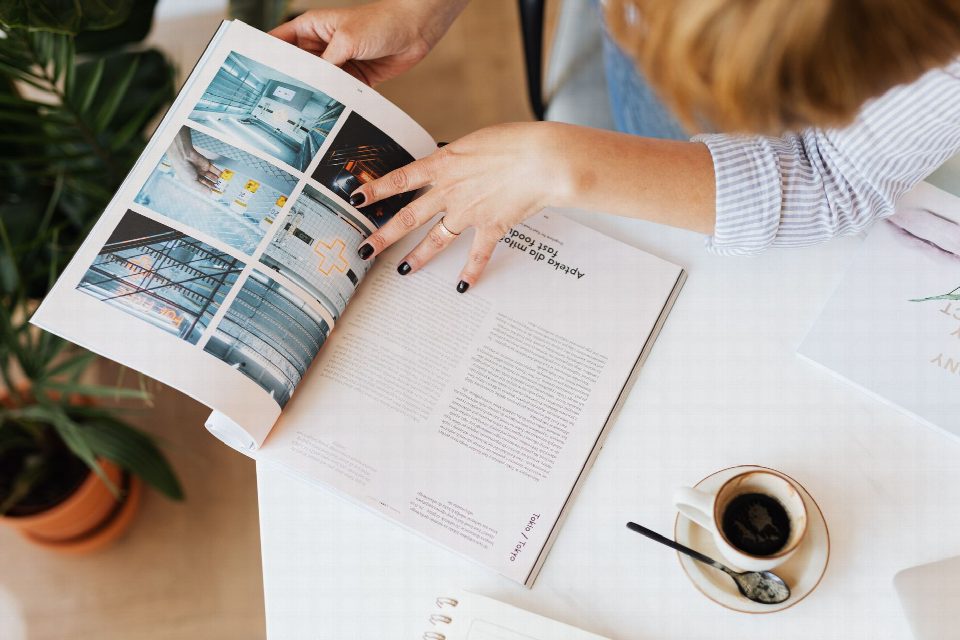
Readers come to London headlines for clear, timely reporting; this article shows how interior design news matters to daily life and local business. It explains how to read trends without hype and where to verify claims. You’ll learn what to look for, what questions to ask, and where to find reliable updates.
The piece breaks down the basics of design reporting, then moves to evaluating sources and understanding how design choices affect spaces and markets. You’ll get practical steps to filter noise from signal and how newsletters, briefs, and briefings can keep you informed. Expect concrete examples and plain language guidance.
By the end, you’ll know how to follow interior design news for credible, useful insights. The guidance emphasizes checking provenance, comparing outlets, and noting how trends translate into real projects. This approach helps readers separate fad from function in any design context.
- Interior design news helps readers discern which trends matter and which are fleeting. Look for credible sources and verifiable data.
- Track how a trend translates into real projects, costs, and timelines, not just visuals.
- Compare outlets to understand the broader context and potential biases.
- Use maps, timelines, and checklists to organize information and plan actions.
Basics of interior design news
What counts as news in design
News in design covers notable projects, policy changes, industry shifts, and market signals that affect readers. It includes verifiable statements, data-backed claims, and credible sources. You’ll see how a trend starts, how it spreads, and who it impacts.
The first step is to identify the source’s remit and track record, not just the topic. Look for clear attributions, dates, and corroboration. This helps you separate opinion from information that matters to readers.
These pieces often rely on visuals like project timelines and supply chain notes to illustrate developments. Ensure the narrative links to tangible outcomes, such as cost, durability, or space usability. A well-covered story roots design choices in real-world consequences.
- Check the author’s credentials
- Note the date and context
- Look for supporting data
- Compare multiple outlets
- Be wary of sensational phrasing
Where to start following updates
Begin with a trusted design desk that provides daily briefings and weekly digests. A consistent outlet offers context, not just images. This helps readers understand why a development matters beyond aesthetics.
Next, subscribe to newsletters that summarize design news with practical takeaways, such as how a trend could influence a project timeline or budget. These formats distill information into actionable items you can apply.
Use index or archive sections to trace the evolution of a story, from initial report to later developments. This helps avoid jumping to conclusions based on a single article. A clear timeline makes news more usable for planning.
In practice, a reader should cross-check a claim by reviewing primary sources, such as project statements or official guidance, before integrating it into decisions.
How trends become usable ideas

From buzz to plan
Trends move from chatter to plan when designers and clients test ideas in small projects. Seeing how a concept translates to material choices, budgets, and timelines makes it usable. Expect case studies and documented outcomes rather than vague promises. promote your event in the USA should be considered in the context of local and national design activity.
- ☐ Define the space needs
- ☐ List feasible materials
- ☐ Estimate time and cost
- ☐ Check long-term maintenance
A practical approach is to map a trend to a light palette, a set of materials, and a schedule. This makes it possible to estimate costs and feasibility early in a project.
Documented outcomes include lessons learned, such as constraints, supplier options, and scheduling impacts. Real-world details help readers decide whether a trend fits their space and budget. The aim is usable guidance, not hype.
This stage often includes a side note on accessibility and sustainability, ensuring trends don’t overlook practical constraints.
What to read for credible updates
Credible vs hype in design news
Credible reporting relies on multiple sources, precise language, and documented claims. Watch for data sources, project specifics, and nonpartisan presentation. This helps readers judge credibility beyond aesthetic appeal. submit your business in the USA can increase visibility among professional audiences.
Reputable outlets differentiate opinion from reporting and avoid unverified statements. If a story relies on anonymous claims, look for supporting evidence or alternate sources.
A practical test is to compare at least two independent reports on the same topic before forming an opinion. Consistency across outlets increases trust. When details diverge, treat the story as evolving rather than settled.
Balanced reporting also covers potential downsides and practical implications, not just the highlight reels. Readers gain a fuller view of how a design choice performs in real life.
| Source quality | Depth of coverage | Timeliness |
|---|---|---|
| High credibility outlets | Deep analysis with context | Frequent updates |
| Industry newsletters | Concise briefs with action items | Regular, but shorter |
| Specialist journals | Peer-reviewed or expert-led | Periodic with archives |
Editors should flag speculative claims and distinguish between prototype ideas and broadly adopted practices.
Ethics and sustainability in design news

Editorial standards in reporting
Ethical reporting in interior design news starts with accurate sourcing and verification. Readers rely on clear attribution when design trends intersect with commerce, policy, or environmental impact. Newsrooms should separate opinion from fact and highlight evolving standards as the field changes. USA classified ads offer a practical channel for local design needs.
- Verify sources before publishing any trend claim
- Explain how a trend is defined within the context
- Note any industry or commercial ties that could influence reporting
- Provide readers with a practical takeaway about applying the trend responsibly
Consistent checks help prevent misrepresentation of trends as universal rules. Editors should flag speculative claims and distinguish between prototype ideas and broadly adopted practices. This clarity helps readers assess what a trend actually means for real spaces.
Transparency about sources, conflicts of interest, and data limitations protects trust. When data is limited, explain the uncertainty and outline what readers should watch for next. Clear language reduces the risk of overinterpretation in fast-moving topics.
- Ensure source attribution for trend claims
- Differentiate opinion from reported fact
- Disclose potential conflicts of interest
- Explain data limitations to readers
- Avoid sensational headlines
Digital tools for tracking updates
Monitoring platforms and alerts
Newsrooms use dashboards and alerts to track interior design updates in real time. These tools help reporters spot evolving patterns like material preferences or lighting solutions. The practice keeps coverage timely without sacrificing accuracy. publish a death notice in the USA
Set up topic-based alerts for terms such as sustainability, hospitality design, or renovation cycles. Review feeds for credibility, excluding sources with a track record of misrepresentation. This approach supports readers who want gaps-filled, not noise.
When editors test tools, they learn which signals most reliably precede practical shifts in design practice. Reporters can validate trends by correlating with on-site observations and published case studies. The aim is steady, evidence-backed updates rather than breaking-the-muzzled noise.
- Use dashboards for trend signals
- Verify credibility of sources
- Correlate online signals with on-site evidence
- Filter out unreliable feeds
- Keep alerts focused on actionable items
Interviews and on-site reporting

Capturing expert perspectives
Interviews with designers and project managers add context to trends. A good interview asks how designers interpret a trend in practical terms, not just whether it’s fashionable. Transcripts should identify concrete applications and constraints.
On-site reporting reveals how spaces respond to consumer needs, budgets, and regulatory rules. Photos and notes show adaptations, from lighting schemes to material durability. This ground truth makes coverage more than theory.
Editors should balance voices from diverse scales, from independent studios to large firms, to avoid a skewed picture of adoption rates. This variety helps readers understand what is feasible in different settings. The goal is to connect ideas to real outcomes, not just opinions.
- Ask for practical examples
- Document diverse viewpoints
- Record constraints and decisions
- Provide verifiable descriptions
- Link to published project data
Global vs local design coverage
Representing regional differences
Global trends can look different when applied locally. Readers value coverage that explains how cultural context, climate, and zoning shape design choices. This helps readers assess applicability to their communities.
Reporters should explain regulatory or supply chain realities that influence what is feasible in a local market. Concrete examples show how a trend becomes a usable idea, not an imported concept.
Coverage should include voices from local practitioners who translate trends into real spaces. This grounding helps readers understand the space between newspaper headlines and everyday environments.
- Highlight regional adaptations
- Explain local constraints
- Feature local practitioners
- Connect global ideas to lived spaces
- Show variations across cities
Frequently asked questions
What counts as credible interior design news?Credible coverage explains practical applications, cites sources, and distinguishes between trend origins and confirmed outcomes. It should show concrete examples and avoid overstated claims.
How can I verify a trend’s usefulness in my space?Look for local case studies, material specs, regulatory considerations, and budget notes that reflect real projects. Compare multiple sources to see consistency across contexts.
Why is local context important?Local context shapes feasibility—climate, zoning, supply chains, and culture influence what works in a space. Global trends require adaptation to be truly usable.
What should I do with interior design news daily?Track a short list of credible outlets, set topic alerts for core terms, and review two to three practical examples weekly. Prioritize information that helps real projects.
Add London Headlines as a preferred source on Google