Eye conditions and PIP: who could qualify for up to £194.60 a week?
DWP figures record successful PIP claims linked to a range of visual conditions, but a diagnosis alone does not qualify someone for the benefit.
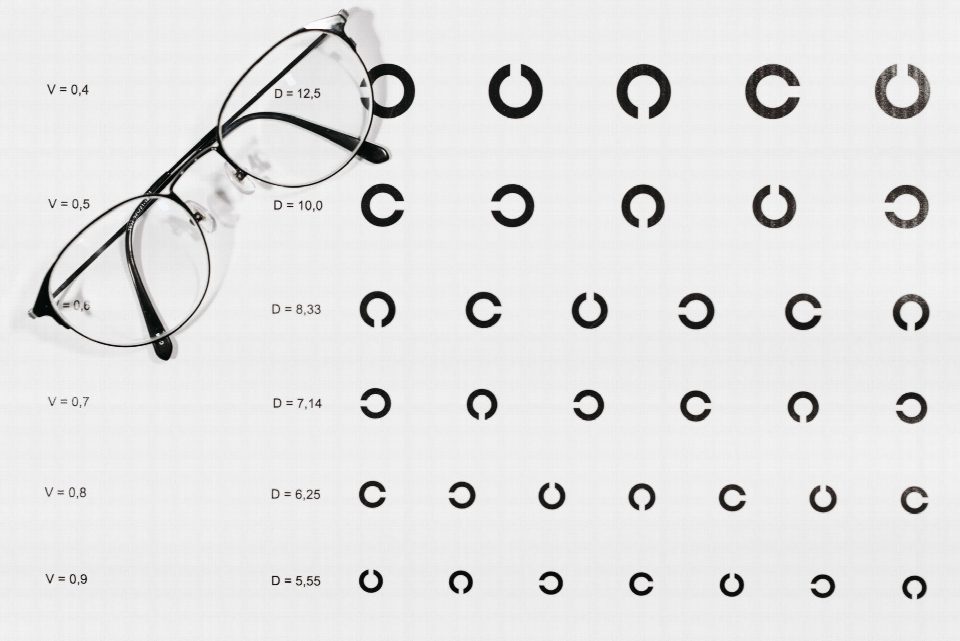
People with long-term eye conditions may be able to receive Personal Independence Payment (PIP) of up to £194.60 a week, but the Department for Work and Pensions does not award it simply for having a particular diagnosis. Eligibility depends on how a condition affects a person’s ability to manage daily activities or get around.
DWP statistics up to July 2026 list visual conditions recorded as the primary disabling condition on successful PIP claims. The figures cover claims awarded the daily living component, the mobility component or both. Glaucoma was recorded on 4,141 successful claims; the figure for macular degeneration was 3,331, while cataract was recorded on 1,849.
The largest figures in the list include 13,377 claims for “vision – other diseases affecting / type not known”, 9,361 for cortical blindness and 5,123 for retinitis pigmentosa. These are counts of successful claims, not a measure of everyone living with those conditions or a guarantee that another person with the same diagnosis will qualify.
How much can PIP pay?
PIP has two components. The daily living component pays £76.70 a week at the lower rate or £114.60 at the higher rate. The mobility component pays £30.30 or £80 a week. Someone awarded both components at the higher rate could receive £194.60 weekly in England and Wales.
The daily living assessment considers tasks such as personal hygiene and preparing meals. The mobility component looks at a person’s mobility needs and ability to get around.
Who can apply?
New applicants must be at least 16 and below State Pension age. People already receiving PIP can continue to receive it after reaching State Pension age, according to the DWP information cited in the figures.
The DWP decides eligibility based on the effect of a long-term physical or mental health condition or disability on daily living and mobility, using independent medical guidance. The figures do not show how many people with each eye condition applied but were unsuccessful.
This report draws on information from My London.
Editorial checks passed Facts, figures and quotes checked against 1 source
Add London Headlines as a preferred source on Google