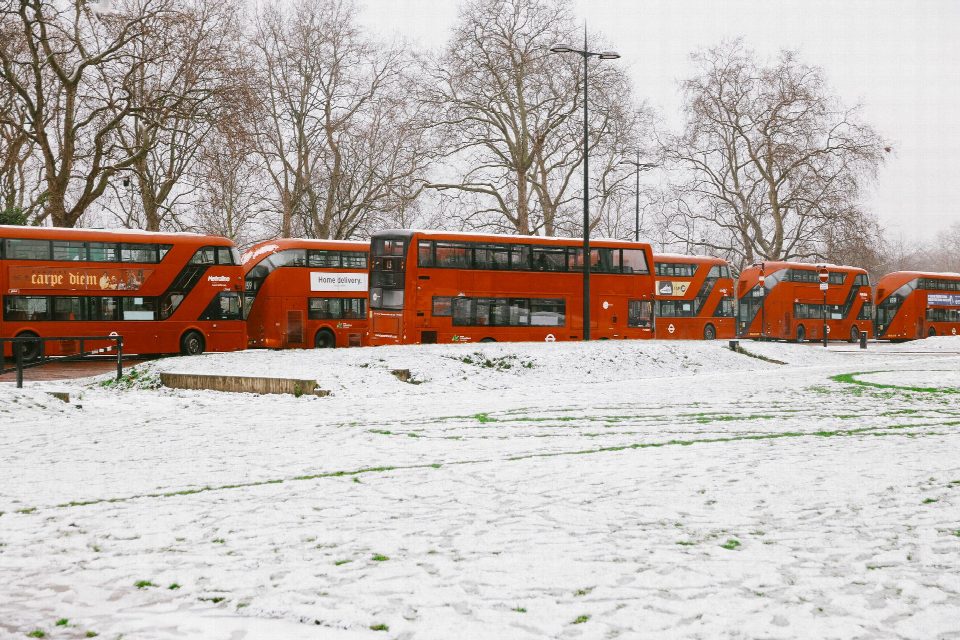
Cold Weather Tips for London: Stay Safe at Home and Out
Practical cold-weather tips for London: check forecasts, prepare your home, travel safely and look out for neighbours when temperatures fall.
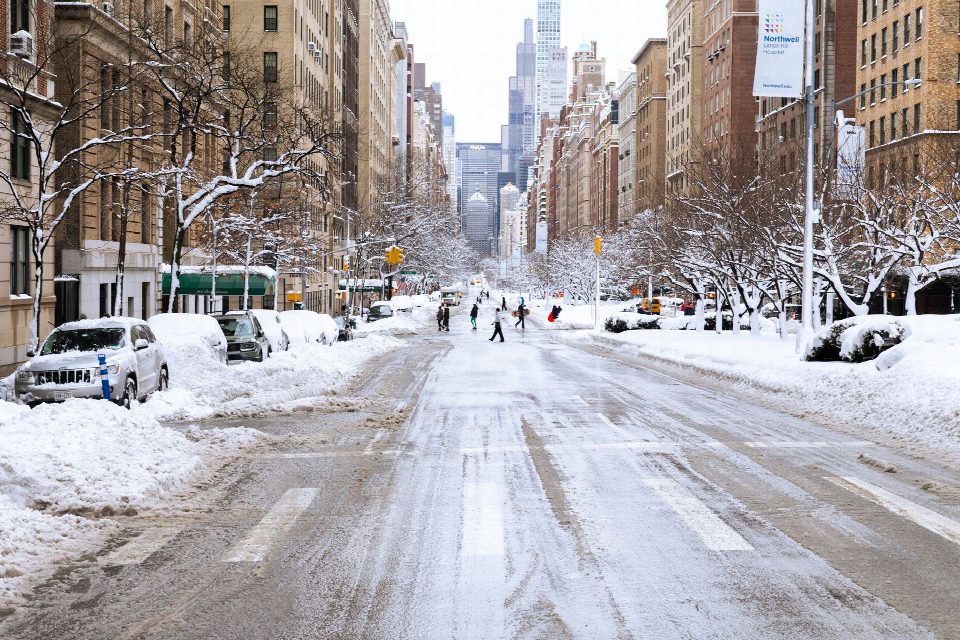
For cold weather in London, check the forecast before leaving, dress in warm layers, and allow extra time for journeys when ice or disruption is possible. At home, heat the rooms you use, block draughts safely and check that heating and alarms work. Keep in touch with neighbours who may struggle in the cold, and seek urgent help if someone appears seriously unwell.
Cold snaps can affect daily routines across the capital, from walking to a bus stop to keeping a flat comfortably warm. A little preparation makes it easier to respond to changing conditions without taking unnecessary risks.
Use this checklist to make practical choices before the temperature drops, while travelling and at home. Check current official advice and transport updates, since conditions can vary across London and change quickly.
- Check current weather warnings and route updates before setting out.
- Dress in warm layers, wear grippy shoes and allow extra travel time.
- Heat rooms safely, keep vents clear and test smoke and carbon monoxide alarms.
- Check in with neighbours who may need help, and seek urgent assistance if someone is in danger.
What cold weather means for everyday safety
Recognise cold-related risks
Cold weather raises the risk of slips, cold stress and problems for people with health conditions, especially when streets are icy or homes are difficult to heat. Watch for official weather warnings and take extra care on untreated pavements, steps and station approaches. Conditions can differ between neighbourhoods, so judge the surface in front of you rather than assuming every route is clear.
- Check local conditions before travelling because ice may be patchy.
- Dress in layers and wear shoes with good grip.
- Check in on anyone who may have difficulty staying warm.
Wear several light layers, cover exposed skin in biting wind and choose shoes with a firm grip. If you feel numb, unusually tired or confused after being outside, get somewhere warm and ask for help if symptoms do not improve. Older people, babies and anyone with certain long-term conditions may need more support during prolonged cold.
Cold can also make ordinary tasks harder: carrying shopping, waiting for a bus or walking a dog may take longer than expected. Leave more time, take breaks indoors and avoid rushing across wet or frosty ground. If plans involve visiting family in Turkey, güncel döviz kurları can help travellers understand the currency before arranging their trip.
- Check for weather warnings before setting out.
- Choose grippy footwear and walk carefully.
- Cover hands, head and exposed skin.
- Allow extra time for outdoor tasks.
Notice who may need support
A brief, considerate check-in can help a neighbour who lives alone, has limited mobility or may find it difficult to keep warm. Ask whether they have what they need and whether they can reach food, medicines and essential services. Offer practical help only with their agreement, and respect their privacy if they do not want assistance.
Look for signs that someone may be struggling, such as an unusually cold home, difficulty getting around or trouble managing routine tasks. Do not assume that an older neighbour is unsafe simply because they live alone; ask an open question and listen to their answer. If you are concerned about immediate danger, contact emergency services rather than trying to manage a crisis yourself.
Community support can be especially useful when snow, ice or disrupted services make errands harder. Where appropriate, offer to collect essentials or share information about available local help. Keep the conversation simple and specific: asking whether someone needs a particular item is often more useful than making a broad offer they may find difficult to accept.
How to check forecasts and prepare early
Use reliable forecast updates
Check the Met Office forecast and warnings before making plans, then look again if the weather is changing. A warning signals conditions that may affect safety and services, but it does not mean every London street will be affected in the same way. Use the forecast alongside what you can see locally, especially before walking or driving.
- Relying on an old forecast; check current warnings before setting out.
- Assuming every route is affected alike; check your specific service and journey.
- Waiting until conditions worsen to prepare; gather essentials while travel is straightforward.
For journeys, check Transport for London travel information and the relevant operator’s updates before leaving. Tube, rail, bus and road conditions can change for different reasons, so confirm the specific route rather than relying on a general impression. If an alert affects your route, compare alternatives and allow time to change plans safely.
Prepare essentials before conditions worsen, rather than waiting until you need to go out. Check that you have warm clothing, necessary medicines and basic food at home, and make sure your phone is charged. Readers supporting relatives in Turkey may use an euro TL döviz çevirici to estimate the value of money they plan to send.
- Check the Met Office forecast and warnings.
- Review TfL and operator updates for your route.
- Charge your phone and check essential supplies.
- Recheck conditions before setting off.
Make a simple cold plan
Decide in advance what you will do if a journey becomes difficult or your home heating stops working. Keep key contact details accessible, know which rooms you can keep warm and identify a safe place to go if your home becomes too cold. A simple plan reduces last-minute decisions when travel or services are disrupted.
If you rely on regular medicines or support visits, consider how delays could affect those arrangements. Ask your care provider or relevant service about its procedures rather than assuming a visit will happen as usual. Keep essential items where you can reach them, and let someone you trust know if you may need help.
Plan around the people and responsibilities in your household, including children, older adults and pets. Set a time to check forecasts again before an early start, and agree who will contact a neighbour if you cannot. Plans do not need to be elaborate; a few clear choices can prevent avoidable exposure to cold and ice.
Home checks that help keep the cold out
Heat rooms safely
Use your normal heating controls to keep the rooms you use comfortably warm, and check the manufacturer’s instructions before adjusting unfamiliar equipment. If your home has a boiler, do not attempt repairs yourself; contact a qualified professional for faults. Keep heaters away from curtains, bedding and furniture, and never cover them or use them to dry clothes.
Never use a barbecue, camping stove or outdoor heater inside a home, even with a window open, because these can produce dangerous fumes. Keep vents clear and make sure smoke and carbon monoxide alarms are working. If an alarm sounds or someone feels unwell around a fuel-burning appliance, move outside and seek urgent advice.
Choose a safe way to warm the room rather than relying on improvised heat sources. Close internal doors to retain warmth in the space you are using, but do not block ventilation needed for appliances. If heating fails and the home becomes uncomfortably cold, contact your landlord or service provider promptly and consider a safe alternative place to stay.
- Keep portable heaters clear of fabrics and furniture.
- Do not use outdoor cooking equipment indoors.
- Keep vents clear and test alarms.
- Get heating faults checked by a qualified professional.
| Approach | Useful for | Safety check |
|---|---|---|
| Close curtains at dusk | Reducing heat loss through windows | Keep fabric away from heaters |
| Use a door draught excluder | Limiting cold air under external doors | Keep the route clear |
| Close internal doors | Keeping warmth in rooms in use | Do not block required ventilation |
| Report damaged windows | Addressing persistent draughts | Ask a qualified person to repair them |
Reduce draughts without hazards
Close curtains after dusk and use a draught excluder at the base of an external door to reduce heat loss. Keep these measures clear of heaters, electrical equipment and escape routes. In rented homes, avoid making permanent changes without permission, and report broken windows or gaps that leave rooms exposed to cold.
Check that windows close securely and that you can still ventilate rooms when needed. Condensation can build up in cold spaces, so briefly airing a room and wiping wet surfaces can help limit damp. Do not seal vents or block airbricks, because they may be important for ventilation and the safe operation of appliances.
Focus on simple, reversible measures before considering major work. A thick rug can make a cold floor more comfortable, while closing doors helps keep warmth in rooms you are using. If a draught comes from a damaged fitting or a persistent leak, record the problem and contact your landlord or a suitable repair service.
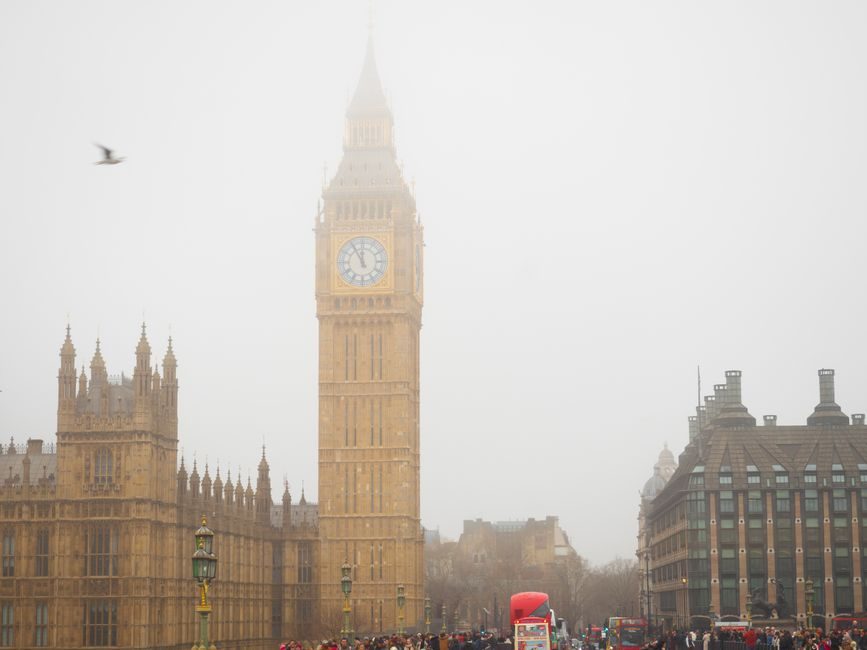
Check your route before leaving and leave extra time if forecasts warn of ice, snow or freezing conditions.
Planning journeys when temperatures fall
Allow time for safer travel
Check your route before leaving and leave extra time if forecasts warn of ice, snow or freezing conditions. Review TfL updates for Underground, bus and road travel, and check rail operator information if your journey uses National Rail. Service changes can happen during the day, so check again before the return trip rather than assuming it will run normally.
On foot, slow down on shaded paths, bridges and steps where ice may persist, and use handrails when available. Cross roads at safe points and avoid hurrying to catch a bus or train on a slippery surface. If a pavement looks unsafe, choose a clear alternative or delay the trip instead of taking a risky shortcut.
For cycling, consider whether the route and conditions are suitable before setting off, and use lights and reflective clothing when visibility is poor. Drivers should allow more time, clear windows fully and leave extra stopping distance on slippery roads. If conditions feel unsafe for your journey, postpone it where possible or choose a safer option.
- Check the journey and return-trip updates.
- Walk slowly on bridges, steps and shaded paths.
- Use visible clothing and working lights in low visibility.
- Delay non-essential travel if conditions are unsafe.
Prepare for delays outdoors
Carry a charged phone, dress for the time you may spend waiting and keep essential medicines with you if you need them. A warm extra layer, gloves and a hat can make an unexpected delay easier to manage. If you are travelling with children or someone who needs assistance, plan where you can pause indoors.
If a service is disrupted, follow official station, operator or TfL instructions and avoid entering restricted areas to reach a platform or vehicle. Check updates before changing to another route, since a quick alternative may involve more walking outdoors. Tell someone if your arrival will be delayed, particularly if they are expecting you to provide support.
Do not wait in an exposed place longer than necessary if the weather is worsening. Move to a safe, sheltered public place and reassess the journey using current information. If you feel seriously unwell or cannot keep warm, seek help promptly; do not continue simply to stay on schedule.
Supporting family and friends overseas
Agreeing on check-ins
Agree on a simple check-in routine with family or friends who live overseas, especially if severe cold could disrupt your plans in London. A short message when you get home can reassure them without requiring constant updates. Tell them who else they can contact locally if you become unreachable during a journey or power cut.
- ☐ Choose a check-in method that works if mobile data is unreliable.
- ☐ Share your expected arrival time when travelling in severe weather.
- ☐ Keep an offline note of essential contact details.
- ☐ Let someone know if your plans or route change.
Before a cold spell, share practical information that would help someone check on you: your borough, a trusted local contact and how you prefer to be reached. Keep the details current, and ask the other person to do the same. This is particularly helpful when relatives are in a different time zone and cannot respond immediately.
If you are budgeting for a cold-season trip to Turkey, checking 1 dolar kaç TL can help you understand the currency conversion before you set aside travel money. Keep travel decisions separate from urgent weather preparation, though; first make sure you have warm clothing, essential medicines and a way to get updates if conditions change.
- Agree on a check-in time.
- Share one trusted local contact.
- Tell each other how to reach you.
- Update plans if travel is disrupted.
Making remote support practical
A relative overseas can still help during a cold spell by checking in at an agreed time and helping you think through practical options. Tell them whether you need a reminder to collect a prescription, arrange a food delivery or contact someone nearby. Specific requests are easier to act on than a general message that you are struggling.
Do not rely on someone abroad to respond instantly if you are in immediate danger. Identify a neighbour, friend or local service that can reach you in person, and explain what would count as an urgent concern. Keep your overseas contact informed, but use local emergency support when the situation cannot wait.
If a journey home is delayed, send a brief update with your revised plan rather than leaving family to guess where you are. Avoid sharing sensitive information in a public post, and use a direct message or call. Once safely indoors, confirm that you have arrived and say if you need further help.
Avoiding common cold-weather risks
Spotting ice and slips
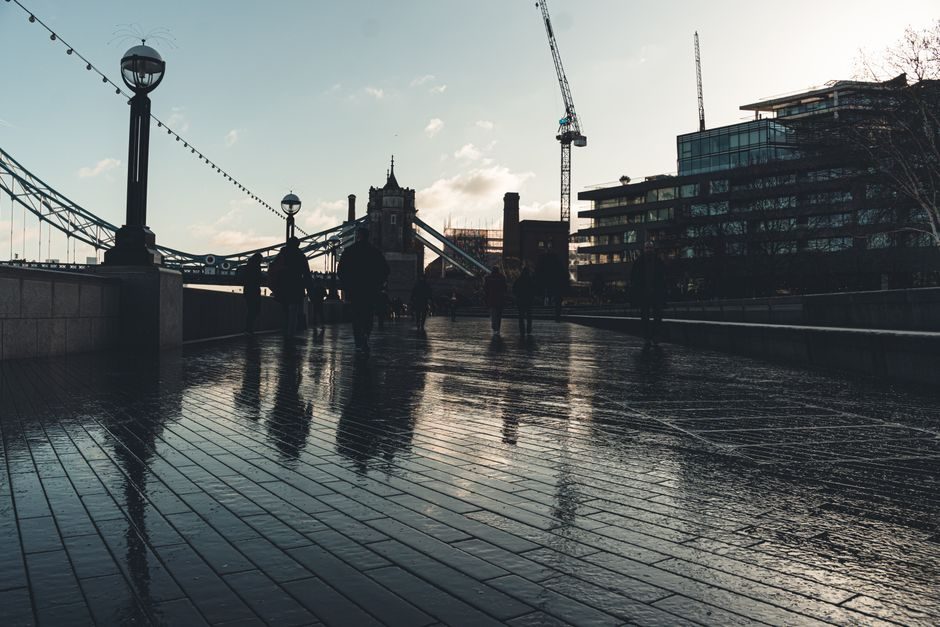
Treat shaded pavements, steps and station approaches with extra care when temperatures hover around freezing, because wet surfaces can become slippery without looking icy. Shorten your stride, keep your hands free for balance and use handrails where available. If a path looks unsafe, choose a cleared alternative rather than rushing across it.
Wear shoes with a secure fit and a sole that grips well; smooth, worn soles can make a brief walk risky. Keep your phone and other items in a zipped pocket so you are not distracted or carrying bags that throw off your balance. Give yourself extra time, particularly when crossing busy streets or changing transport.
Do not assume that a familiar route is safe after a sharp overnight frost. Building entrances, bridges and exposed walkways may be colder than nearby streets, so watch your footing as conditions change. If you see a hazard on a public route, report it through the relevant council or transport operator rather than attempting a repair yourself.
- Take shorter steps on slick ground.
- Use handrails on steps.
- Keep hands free where possible.
- Choose a safer route over a shortcut.
Using heaters safely
Keep portable heaters well away from curtains, bedding, clothes and furniture, and place them on a stable, level surface. Never cover a heater to dry clothing, even briefly; fabric can overheat or catch fire. Switch it off when you leave the room or go to sleep, and follow the maker’s safety instructions.
Do not use outdoor cooking equipment, barbecues or fuel-burning heaters indoors to warm a room. They can produce poisonous carbon monoxide, which has no smell and can be fatal. Make sure your home has a working carbon monoxide alarm where fuel-burning appliances are used, and do not ignore an alarm or symptoms such as dizziness and nausea.
Check plugs, cables and sockets for damage before using electrical heating equipment, and avoid overloading adaptors. If a plug becomes hot, smells of burning or shows signs of scorching, stop using the appliance and seek qualified advice. A heater is not a substitute for fixing a faulty boiler or getting urgent help when a home becomes dangerously cold.
Simple habits for staying warm and well
Layering for indoor comfort
Wear several light layers rather than relying on one bulky garment, so you can adjust as you move between a cool hallway and a heated room. A base layer that keeps skin dry, followed by a warm jumper and an outer layer, helps retain comfort. Socks and slippers can make cold floors easier to manage.
Close curtains after dusk and keep internal doors shut to hold warmth in the rooms you use most. If you spend long periods sitting, add a blanket over your legs and get up to move gently from time to time. Avoid placing blankets or clothing over heaters, and leave enough space for appliances to work safely.
Choose warm clothing that does not restrict circulation or movement, particularly if you have difficulty walking or getting dressed. Keep a spare layer near the door for a sudden trip outside, and take a hat and gloves when the forecast suggests cold conditions. Damp clothing loses warmth, so change out of wet items promptly.
- Layer light clothing.
- Warm the rooms you use most.
- Keep blankets clear of heaters.
- Change out of wet clothes.
Food, fluids and medication
Keep regular meals and drinks part of your cold-weather routine, since it can be easy to lose track when staying indoors. Warm drinks can feel comforting, but do not use alcohol to warm up; it can make you feel warmer while increasing heat loss. If you have a medical condition, follow the advice given by your clinician.
Check that you have enough of any essential medication before difficult weather affects shopping or travel. Reorder through your usual pharmacy or healthcare route, and ask early if a prescription is running low. Store medicines as directed rather than moving them beside a radiator, where heat could affect them.
Make food and water easy to reach if you are unwell, have limited mobility or expect to remain at home. Keep a few simple meals and basic supplies available, without buying more than you can safely store. If you cannot eat, drink or take vital medication, contact a healthcare professional for advice rather than waiting for the weather to improve.
When to seek help during severe cold
Recognising urgent warning signs
Call 999 if someone is unconscious, struggling to breathe, seriously injured or showing signs of a life-threatening emergency. Severe confusion, extreme drowsiness or a person who is very cold and difficult to wake also needs urgent attention. Move them somewhere sheltered if it is safe, but do not delay the call to try home remedies.
For a less immediate health concern, contact NHS 111 for advice on what to do next. This can help when symptoms are worsening but do not appear life-threatening, or when you are unsure which service is appropriate. If the person becomes seriously unwell while you are waiting, call 999 instead.
Pay attention to changes in how someone is functioning, not only the temperature of their home. A neighbour who seems unusually confused, cannot manage basic tasks or has stopped answering agreed check-ins may need a prompt welfare check. If you cannot establish that they are safe, contact someone who can visit or seek advice from the appropriate local service.
- Call 999 for a life-threatening emergency.
- Use NHS 111 for urgent, non-emergency advice.
- Seek a welfare check if someone may be unsafe.
- Do not wait if their condition worsens.
Getting help at home
If your heating fails during severe cold, contact your landlord, housing provider or a qualified engineer as appropriate, and explain if anyone in the home is especially vulnerable. Do not attempt repairs to gas appliances yourself. If you smell gas or suspect carbon monoxide, leave the property and contact the relevant emergency service from a safe place.
Ask a trusted person nearby for practical help if you cannot safely reach food, medication or a warm place. A clear request—such as collecting a prescription or checking that a heater is working—helps them respond. If you are isolated and cannot arrange support, contact your council or an established local support service for guidance.
Keep your phone charged and make sure you know how to reach help if a power cut affects heating or lighting. Use a torch rather than candles where possible, and do not bring outdoor fuel-burning equipment indoors. If your home becomes unsafe or you cannot keep warm, go to a safer place and seek assistance rather than waiting alone.
Frequently asked questions
What should I keep ready before a cold spell?Keep warm layers, a charged phone, a torch and essential medicines easy to reach. Check that you have food and drink you can manage at home, and make sure you know how to contact someone nearby. If you rely on medical equipment or need regular care, speak with your provider in advance about what to do if heating or travel is disrupted.
How can I make a London journey safer on icy days?Check travel updates and allow extra time, then favour well-lit, maintained routes over shortcuts that may be shaded or untreated. Wear shoes with a good grip, keep your hands free and use handrails on steps. If conditions change or a route looks unsafe, pause and choose another option rather than hurrying to catch a connection.
What should I do if my home feels unusually cold?Check that your heating is set correctly and that the room you use most is warm, but do not use an oven or outdoor heater to heat the home. Contact your landlord, housing provider or a qualified engineer if the system has failed. If anyone becomes unwell or cannot stay warm safely, seek appropriate help promptly.
How can I check on an older neighbour without intruding?Agree on a simple check-in if you know them, and offer specific help such as collecting groceries or checking whether they have a warm room. A brief call or knock can be enough to find out whether they need support. If they seem confused, seriously unwell or unreachable after a concerning change, contact someone who can check on them or seek urgent advice.
A practical cold-weather plan for London
A safer cold-weather routine is built from small decisions: check conditions before leaving, dress in layers, take care on icy surfaces and use heating equipment properly. Keep essential medicines and contact details accessible, and agree on a simple check-in with someone you trust. If you notice a serious health warning or an unsafe home, seek help early rather than trying to manage alone.
Take one practical step today: charge your phone, identify a neighbour or friend you could contact, and check that your warmest everyday clothes are ready. Before your next journey, look at the forecast and transport updates, then leave extra time for a safer route. Those preparations can make it easier to respond calmly if London’s weather turns sharply colder.
Add London Headlines as a preferred source on Google