A practical guide to rooms and property to rent in the USA for London readers
Clear, reader-focused guide on finding rooms and property to rent in the USA, with step-by-step checks, common pitfalls, and reliable tips.

When readers in London consider renting in the USA, the process is not just about finding a room. It involves legal basics, local norms, and practical steps to secure reliable housing from abroad. This guide explains how to compare options, verify listings, and avoid scams, so you can make a solid choice before you commit.
First, identify your priorities: city, commuting needs, budget, and length of stay. Then learn where to search, how to verify listings, and what documents you’ll typically need. Finally, consider the costs beyond rent, such as deposits and utilities, to avoid surprises.
The following sections outline a practical path from basics through options and common pitfalls. It uses neutral language and concrete examples to help you assess what matters most to you as a reader planning a move across the Atlantic.
- Renting in the USA from London requires clear budgeting, careful verification, and understanding local norms. Start with a price ceiling that includes utilities and transport. Use multiple sources to verify listings and avoid scams.
- Compare listings on proximity, inclusions, and lease length to find stable options. Confirm what utilities and services are included and what you’ll handle yourself.
- Moves benefit from a practical plan: document readiness, secure communications, and a clear lease review. Short-term flexibility can be balanced with longer-term certainty if needed.
- This guide emphasizes concrete steps to evaluate rooms and properties, avoid common traps, and prepare for a smooth transition across the Atlantic.
Setting your budget wisely
Start with a clear monthly cap that covers rent, utilities, and internet. In many US markets, rent can vary by neighborhood more than by city, so compare several areas within your price range. Use online tools to estimate transport costs and daily expenses to keep totals realistic. rooms and property to rent in the USA
Finding trustworthy listings
Seek listings with clear photos, landlord contact details, and a stated lease term. Cross-check a few sources and read the listing carefully for terms on deposits and furnished status. Be wary of unusually low rents that lack basic information or require upfront payments.
What to compare besides price
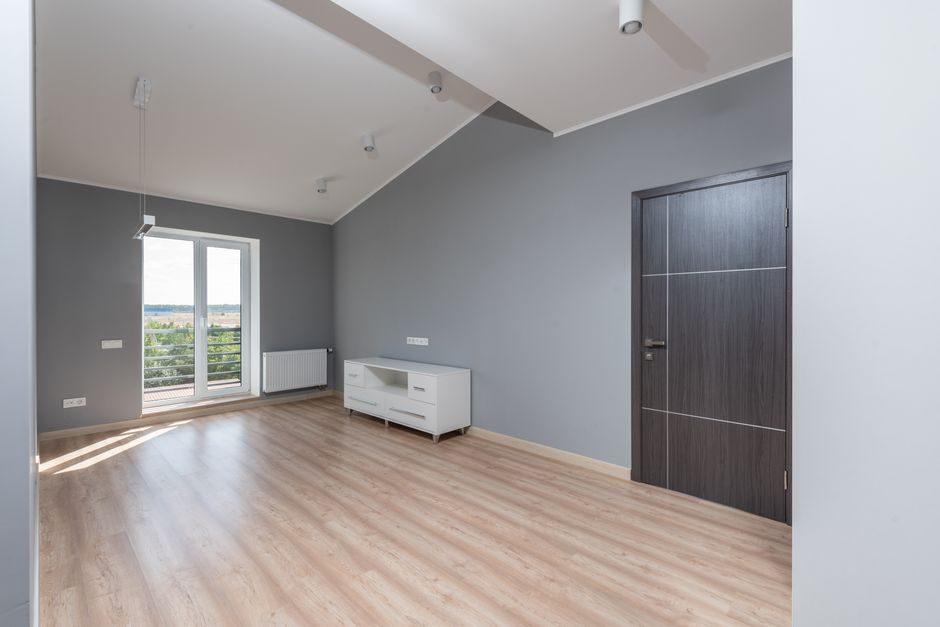
Rent is not the only factor. Consider proximity to transit, safety, and noise levels. Evaluate what utilities are included and whether furnishings match your needs. A slightly pricier option can be cheaper long-term if it saves travel time and setup costs. A useful resource on this topic: celebrity news.
How to verify a listing from abroad
Initiate contact with a written inquiry and request recent photos and a video tour when possible. Ask for a written copy of the lease and any house rules before sending money. If anything feels off, compare the listing to similar units in the area to gauge realism.
Approach with agents and private listings
Agents can help you navigate local markets and verify landlords, but their fees and terms vary. Private listings may require more diligence to detect scams. Balance convenience with careful checks and a preference for documented communications. A useful resource on this topic: community events in the USA.
- Choose licensed agents when possible for reliability.
- Ask about fees and what services are included.
- Document all communications and confirmations.
| Aspect | What to check | Best practice |
|---|---|---|
| Price vs value | Total monthly cost including utilities | Prioritize options with predictable bills |
| Lease terms | Deposit, duration, renewal | Ask for written terms before paying |
| Inclusions | Furnished status, internet, appliances | Document what is included in each listing |
Short-term vs long-term leases
Short-term leases offer flexibility, but can carry higher monthly rates or renewal uncertainties. A longer lease often stabilizes costs and simplifies admin, yet reduces flexibility. Decide on stay length and future plans before negotiating terms.
Read the lease carefully for deposit rules, maintenance responsibilities, and termination terms.
Common rental scams

Watch for listings that ask for wire transfers or insist on immediate payments. Requests for unusual payment methods or vague ownership details are red flags. Always verify the landlord’s identity and the property’s ownership through official channels. A useful resource on this topic: add your business listing in the USA.
Lease terms that surprise renters
Read the lease carefully for deposit rules, maintenance responsibilities, and termination terms. Some leases bind tenants to utilities or penalties for early exit that aren’t obvious at first glance. Clarify how fixtures, repairs, and neighbor issues are handled.
different rental markets across the USA
Regional market dynamics
The rental landscape varies widely from the Northeast to the Southwest, influenced by local economies, school districts, and housing supply. In cities with strong job markets, higher rents and shorter leases are common, while midwest towns may offer more affordable options with longer terms. Always compare nearby neighborhoods to understand what price buys you in each market. obituaries in the USA
- Relying on one listing as a price benchmark; compare multiple neighborhoods
- Overlooking utility costs and fees that inflate monthly rent
- Skipping the lease review for penalties and renewal options
Look for patterns in vacancy rates and seasonal demand to time searches better. For example, winter months can slow listings in some areas, while summer often brings more competition in others. This context helps you set realistic expectations before you start contacting listings.
If you’re switching regions, identify whether landlords emphasize credit scores, reference checks, or guarantors, and plan accordingly. It’s practical to prioritize neighborhoods with a balance of commute time, safety, and amenities to optimize value.
- Know which city you’re targeting before you compare prices
- Watch for seasonal listing patterns
- Assess neighborhood priorities like transit and schools
- Prepare financial documents in advance
- Ask about lease flexibility and renewal terms
Neighborhoods and logistics
Even within the same city, rents can swing dramatically by block or street due to factors like noise, parking, and access to parks. Tour several units at different times of day to gauge safety and comfort. Build a simple scoring sheet to compare factors that matter most to you, such as transit access or proximity to work.
Ask about practicalities like parking rules, pet policies, and trash collection schedules, which affect daily life and costs. Consider future plans, such as renovating or technology needs, to avoid expensive surprises. If you plan to live with roommates, align your budgets and expectations early.
When weighing options, favor leases that include predictable charges and transparent maintenance policies. Request written details on who handles repairs and how quickly issues are addressed. This reduces friction when problems arise during your tenancy.
legal basics for tenants
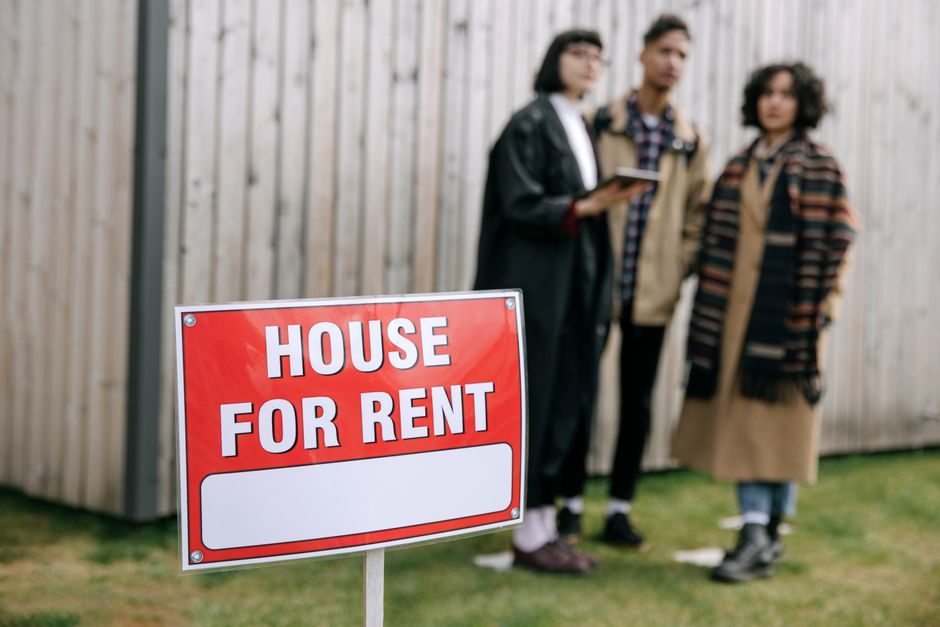
Rent laws and lease essentials
Most states require a written lease for longer than a year, with clear terms on rent, duration, and renewal. Even a month-to-month arrangement should specify payment dates, late fees, and notice periods. Always read the entire document before signing and seek clarification on any ambiguous clause.
- ☐ Review lease duration and renewal terms
- ☐ Confirm payment dates and penalties
- ☐ Clarify who pays utilities and repairs
- ☐ Note move-out conditions and deposit return rules
Understand your protections on security deposits, repairs, and habitability. Landlords may have deadlines for returning deposits and guidelines on withholding for damages. If something seems unfair, ask for a written explanation or consult a local tenancy bureau.
Document every agreement in writing, including agreed repairs and dates. Keep receipts for paid deposits, inspection notes, and correspondence with the landlord to avoid disputes.
- Seek a written lease for formal terms
- Know security deposit rules and timelines
- Document communications and repairs
- Ask for clear maintenance responsibilities
- Check dispute resolution options
If you want to understand tenant protections, identify the state and city rules that apply to your lease. Policies vary on disclosures, pest control, and habitability standards, which can affect your daily life and potential negotiations. Use this knowledge to frame reasonable requests when signing or renewing a lease.
Be mindful of routine landlord practices, such as hard-to-break auto-renew clauses or aggressive late fees. If you must negotiate, present a fair compromise that includes maintenance response times and clearer move-out procedures.
Consult a local tenant association or legal aid if you encounter a potential violation and document all communications to support your case.
costs and deposits explained
Understanding upfront costs
Upfront costs often include the first month’s rent, security deposit, and application or credit check fees. Some landlords require renters to cover broker fees, especially in high-demand markets. Clarify which costs are refundable and under what conditions. Plan a budget that includes a cushion for moving expenses.
- Identify all upfront payments
- Confirm what is refundable
- Get written cost breakdowns
- Confirm fee waivers where possible
Rent operations and utilities can be billed separately or included in the listed price. Utilities might be shared with roommates or billed directly by providers. Ask for a breakdown of average monthly costs to avoid surprises after moving in.
Before signing, request a written estimate of ongoing charges such as parking, amenities, and homeowners association fees if applicable. Even small recurring charges can add up, particularly in urban areas. This helps you compare total affordability rather than headline rent alone.
- Ask for itemized cost breakdowns
- Clarify refundable vs non-refundable fees
- Account for moving and setup expenses
- Estimate monthly utilities and amenities
Security deposits and refundable policies
Security deposits are common, but rules on retention and return vary by location. Some jurisdictions cap deposits or require itemized deductions for damages. Expect a move-out inspection and a final accounting of charges. Keep photos or videos of the unit at move-in for reference.
If you have poor credit or limited rental history, landlords may request a guarantor or larger deposit. Prepare documentation that demonstrates reliability, such as proof of steady income or a letter from a previous landlord. Always obtain the terms of any guarantor agreement in writing.
Discuss any non-refundable fees separately from the security deposit to avoid mistaken expectations at move-out. A reasonable landlord will provide a clear timeframe and method for returning the deposit. Maintain a tidy apartment during the tenancy to minimize disputes at the end.
- Know local deposit caps and return deadlines
- Document the unit’s condition at move-in
- Use a move-in checklist with photos
- Clarify guarantor requirements
- Keep records of all communications
moving logistics and integration

Planning the move and setup
Create a realistic moving timeline with buffer time for delays, especially in peak seasons. Schedule utility transfers and address changes early, so services aren’t interrupted. If you’re sharing a space, agree on common areas, cleaning rotas, and guest policies before move-in.
Arrange practical items like keys, access codes, and mailbox setup in advance. In build-outs or new builds, confirm expected delivery dates for appliances or furniture. Having these details in writing minimizes friction on moving day.
On arrival, photograph room inventory and document existing damages to avoid disputes during checkout. Establish a basic maintenance contact list and preferred channels for reporting issues. This reduces downtime and frustration later.
- Set a moving timeline and notification plan
- Coordinate utilities and address changes
- Document initial unit condition and inventory
- Establish a clear point of contact for repairs
Integration into a new community
Early familiarity with the building’s policies helps prevent misunderstandings about rules and etiquette. Attend orientation sessions if offered and introduce yourself to neighbors or the building manager. Small acts, like keeping shared spaces tidy, ease integration and build goodwill.
Explore the local area within the first week to identify grocery stores, healthcare providers, and transport routes. If you’re abroad from London, learning about tipping norms or service expectations can prevent awkward moments. Practical local knowledge accelerates settlement and reduces daily friction.
Set up essential services such as banking, mobile plans, and mail forwarding as soon as possible. Having these in place supports smoother routines and fewer interruptions during the first month.
- Attend building orientation if available
- Meet neighbors and managers
- Identify essential local services
- Set up essential accounts and services
Frequently asked questions
How do I compare listings efficiently?Use a simple scoring system that weighs price, location, and condition. View multiple listings in the same day and compare them with your criteria. The goal is consistency, not nostalgia for a single unit.
What should I ask about deposits and fees?Ask for a full list of deposits, application fees, and any non-refundable charges. Request when each payment is due and the expected timeline for refunds after move-out. Having these timelines in writing avoids surprises.
Can I rent without a local guarantor or credit history?Some landlords accept alternatives to a local guarantor, such as a longer lease or documented income stability. Others may require a guarantor if you’re new to the area or have limited credit history. Expect a higher upfront deposit in place of a guarantor in some cases.
What happens at move-out and deposit return?Move-out procedures should be defined in the lease with a cleaning standard and any required repairs noted. Schedule a final inspection with the landlord and document the unit’s condition through photos. This reduces disputes over deductions.
Conclusion
The end-to-end view helps London readers weigh options objectively, with a clear plan for readied documents, visits, and negotiations.
Takeaway steps include listing priorities, contacting landlords with a prepared packet, and coordinating utility transfers early to avoid delays.
Add London Headlines as a preferred source on Google