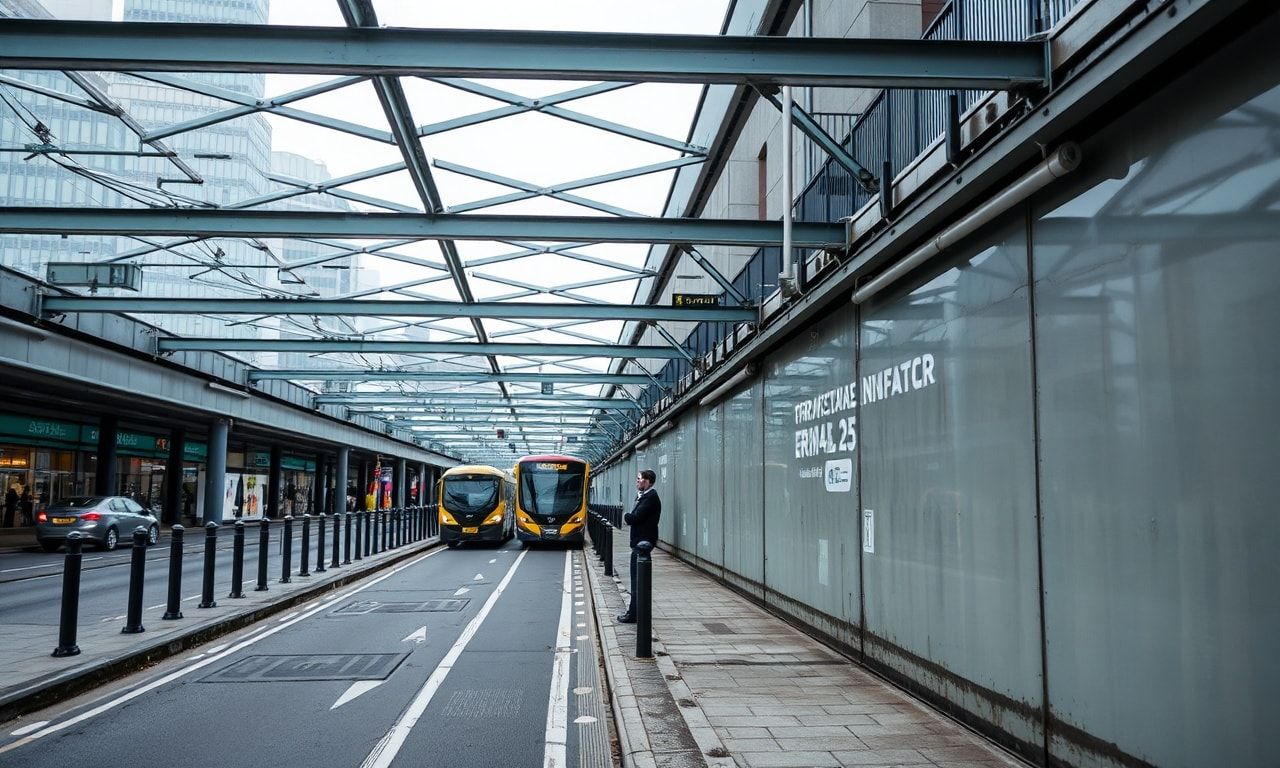
The State of London’s Infrastructure
London, a bustling metropolis and a global hub for finance, culture, and tourism, boasts an extensive infrastructure network. However, with great connectivity comes the challenge of maintenance and repair. The city’s infrastructure, which includes roads, bridges, public transportation, and utilities, is under constant strain due to heavy usage and environmental factors. This article delves into the current state of London’s infrastructure, highlighting key areas that require attention and innovative solutions being implemented to ensure the city’s smooth functioning.
Roads and Bridges: The Backbone of Urban Mobility
The capital’s road network is one of the most extensive in the world, but it is also one of the most congested. According to Transport for London (TfL), there are over 5.7 million vehicles registered in the city, contributing to an average of 200,000 potholes reported annually. Potholes, a common issue on London’s roads, not only cause inconvenience but also pose a significant safety hazard. The maintenance of these roads is a continuous process, with TfL and local councils working tirelessly to repair and resurface roads to ensure safe passage for motorists and pedestrians alike.
Bridges, another critical component of London’s infrastructure, also require regular maintenance. Iconic structures like Tower Bridge and London Bridge undergo routine inspections and repairs to prevent structural deterioration. The maintenance of these bridges is not just about preserving their aesthetic appeal but also about ensuring the safety of the thousands of pedestrians and vehicles that cross them daily.
Public Transportation: Keeping the City Moving
London’s public transportation system is a marvel of modern engineering, with the London Underground, often referred to as the Tube, being one of the oldest and most extensive metro systems in the world. However, the sheer volume of passengers, with over 1.3 billion journeys made annually, puts immense pressure on the system. Regular maintenance and upgrades are essential to keep the Tube running smoothly. This includes everything from track repairs to the replacement of aging rolling stock.
In addition to the Tube, London’s bus network is another vital component of the city’s public transportation system. With over 7,000 buses operating on 700 routes, the maintenance of these vehicles is a monumental task. Regular servicing, repairs, and the introduction of new, more environmentally friendly buses are all part of the ongoing efforts to keep London moving.
Innovative Solutions and Best Practices
To address the challenges of maintaining and repairing London’s infrastructure, innovative solutions and best practices are being implemented. One such solution is the use of advanced materials and technologies in road construction and repair. For instance, the use of high-performance concrete and asphalt mixtures that are more resistant to wear and tear can significantly extend the lifespan of roads and reduce maintenance costs.
Another innovative approach is the use of predictive maintenance techniques. By leveraging data analytics and machine learning algorithms, TfL and other infrastructure managers can predict when and where maintenance is needed before issues become critical. This proactive approach not only saves time and money but also enhances the overall safety and reliability of the infrastructure.
In the realm of bridge maintenance, the use of drones for inspections is becoming increasingly popular. Drones equipped with high-resolution cameras and sensors can quickly and accurately assess the condition of bridges, identifying potential issues that might be missed during traditional inspections. This technology not only improves the efficiency of inspections but also reduces the risk to workers who would otherwise have to perform these inspections manually.
Community Involvement and Public Awareness
Community involvement and public awareness play a crucial role in the maintenance and repair of London’s infrastructure. Residents and commuters are often the first to notice issues such as potholes, damaged road signs, or malfunctioning traffic lights. Encouraging the public to report these issues through dedicated hotlines or online portals can significantly improve the responsiveness of maintenance teams.
Moreover, public awareness campaigns can educate residents about the importance of infrastructure maintenance and the role they can play in preserving the city’s assets. For example, campaigns that promote the proper use of public transportation, such as avoiding peak hours and following safety guidelines, can help reduce wear and tear on the system.
Looking Ahead: The Future of London’s Infrastructure
As London continues to grow and evolve, the demands on its infrastructure will only increase. To meet these challenges, a combination of innovative technologies, proactive maintenance strategies, and community involvement will be essential. Investing in the maintenance and repair of London’s infrastructure is not just about preserving the city’s assets but also about ensuring the safety, convenience, and sustainability of urban life for future generations.
In conclusion, while London’s infrastructure faces significant challenges, the city is taking proactive steps to address these issues. By leveraging advanced technologies, implementing best practices, and engaging the community, London is paving the way for a more resilient and sustainable urban future. For those interested in exploring innovative solutions for infrastructure maintenance and repair, resources like kampalanları bakım ve onarım en popüler seçenekleri offer valuable insights and options.
In the midst of global discussions on sustainability, our latest feature, maintaining your surroundings effectively, offers practical advice for readers seeking to contribute to environmental preservation.
In the realm of medical advancements, a new article delves into the role of Kampalanları in contemporary healthcare practices.
To gain a deeper understanding of the recent progress in Thailand, consider exploring Thailand’s infrastructure advancements and their implications.