Introduction
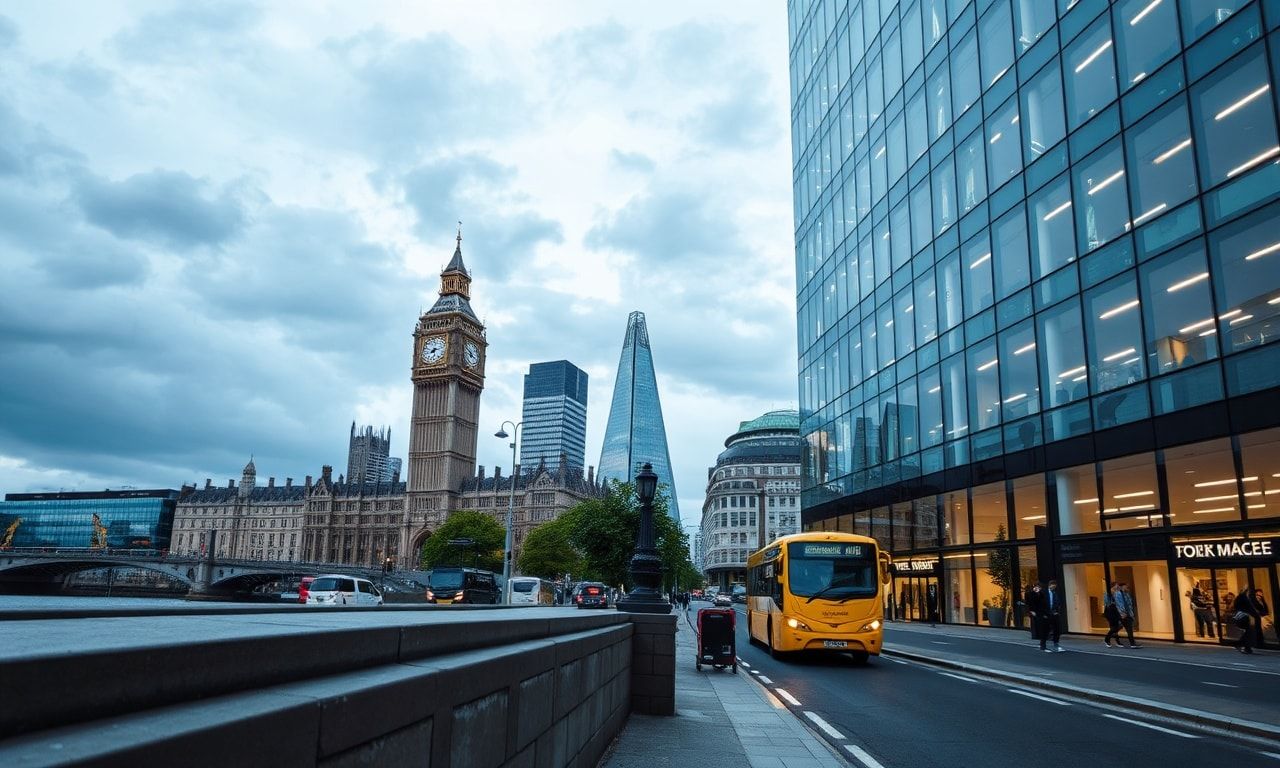
London, a city steeped in history and tradition, is constantly evolving. From infrastructure projects to cultural shifts, the city’s landscape is in a state of continuous transformation. This article delves into some of the latest developments that are shaping the city’s future.
Infrastructure and Transport
The city’s transport network is undergoing significant changes. The Elizabeth Line, a new railway, is set to open in 2023, connecting parts of London and the South East. This project, also known as Crossrail, aims to improve connectivity and reduce journey times. Meanwhile, the expansion of the London Overground network is also in progress, with new stations and routes being added to cater to the city’s growing population.
In addition to these projects, there are plans to pedestrianize parts of the City of London. This initiative, known as the ‘City Walking Network,’ aims to create a more walkable and pedestrian-friendly environment. The project includes the creation of new pedestrian streets, improved crossings, and better signage.
Cultural Shifts and Trends
The city’s cultural landscape is also evolving. A recent trend that has caught the attention of many is the rise of ‘micro-weddings.’ These intimate ceremonies, often attended by only close family and friends, have become increasingly popular in the wake of the COVID-19 pandemic. This shift in wedding trends has also influenced the jewelry industry, with a growing demand for unique and personalized pieces. For those looking for inspiration, exploring engagement ring trends for trending features can provide a wealth of ideas.
Another notable cultural shift is the increasing focus on sustainability. Londoners are becoming more conscious of their environmental impact, leading to a rise in eco-friendly practices. This includes everything from sustainable fashion to green energy solutions. The city’s museums and galleries are also embracing this trend, with many hosting exhibitions and events focused on sustainability.
Economic Developments
The city’s economy is also undergoing changes. The tech industry, in particular, is thriving, with London being named the best city in Europe for tech jobs. This growth has led to an increase in demand for office space, with many companies choosing to relocate to the city. However, this growth has also raised concerns about the availability of affordable housing and the impact on local communities.
In response to these concerns, the Mayor of London has announced plans to build more affordable homes. The ‘Affordable Housing Programme’ aims to deliver 116,000 new affordable homes by 2026. This initiative is part of a broader strategy to address the city’s housing crisis and ensure that London remains a city for everyone.
Conclusion
London’s evolving landscape is a testament to the city’s resilience and adaptability. From infrastructure projects to cultural shifts, the city is constantly reinventing itself. As these developments continue to unfold, one thing is clear: London’s future is bright and full of promise.