Introduction
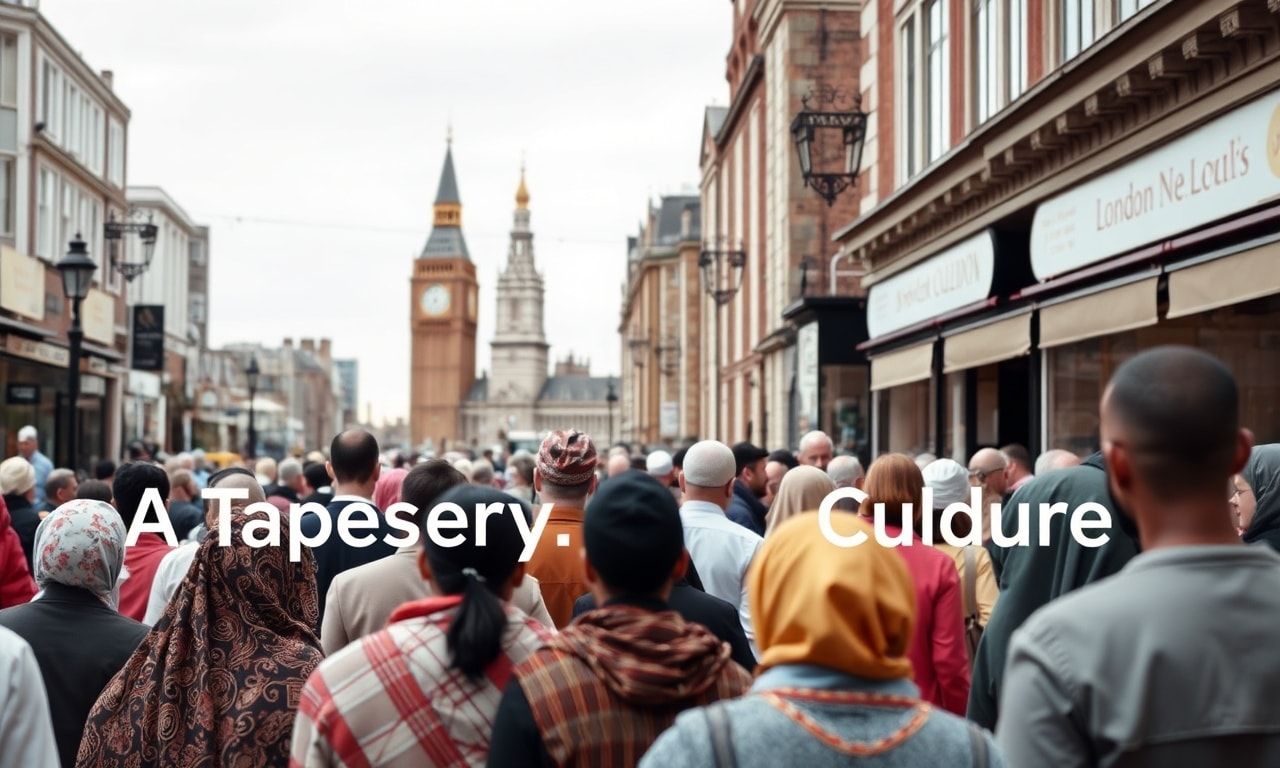
London, a bustling metropolis known for its rich history and cultural diversity, is home to a myriad of communities that contribute to its vibrant tapestry. Among the many threads that weave this tapestry are the diverse faiths and cultures that coexist within the city. This article explores the significance of these communities, their contributions, and the ways in which they navigate their spiritual lives in a modern, multicultural setting.
The Multifaith Landscape of London
London’s religious landscape is as diverse as its population. From historic churches to modern mosques, synagogues, temples, and gurdwaras, the city’s skyline is dotted with places of worship that cater to its multicultural inhabitants. According to the 2021 census, Christianity remains the largest religion, followed by Islam, Hinduism, Judaism, Sikhism, and Buddhism, among others. This diversity is not only a testament to London’s cosmopolitan nature but also a reflection of its inclusive ethos.
Christianity in London
The Church of England has played a significant role in London’s history, with iconic landmarks such as St. Paul’s Cathedral and Westminster Abbey serving as symbols of the city’s Christian heritage. However, the Christian community in London is not homogenous. It encompasses a wide range of denominations, including Roman Catholic, Orthodox, and various Protestant sects. The city’s Christian communities are actively involved in social and charitable work, contributing to the welfare of Londoners from all backgrounds.
Islam in London
Islam is the second-largest religion in London, with a significant Muslim population that hails from various parts of the world, including South Asia, the Middle East, and Africa. Mosques such as the East London Mosque and the London Central Mosque serve as focal points for the Muslim community, providing not only a place for worship but also a hub for cultural and educational activities. For many Muslims, maintaining a connection with their faith is crucial, and tools like the prayer times calculator help them observe their religious practices amidst their daily routines.
Cultural Festivals and Celebrations
One of the most visible aspects of London’s religious diversity is the celebration of various cultural and religious festivals. These events not only provide an opportunity for communities to express their faith but also offer a chance for Londoners to come together and celebrate the city’s multiculturalism. Some of the notable festivals include:
- Diwali: The Hindu festival of lights is celebrated with great enthusiasm, with events held at major venues like Trafalgar Square.
- Eid al-Fitr: The end of Ramadan is marked by communal prayers and celebrations, often culminating in large gatherings at mosques and community centers.
- Hanukkah: The Jewish festival of lights is celebrated with menorah lightings and community events, fostering a sense of unity and shared heritage.
- Vaisakhi: The Sikh community celebrates Vaisakhi with parades and cultural performances, showcasing their rich traditions and values.
Interfaith Dialogue and Community Building
In a city as diverse as London, interfaith dialogue plays a crucial role in fostering understanding and harmony among different religious communities. Organizations such as the Inter Faith Network for the UK and the London Inter Faith Centre work tirelessly to promote dialogue, collaboration, and mutual respect. These efforts are essential in addressing misconceptions, combating discrimination, and building a more cohesive society.
Educational Initiatives
Education is a key area where interfaith dialogue can make a significant impact. Schools and universities in London often host interfaith events and workshops, providing students with the opportunity to learn about different religions and cultures. These initiatives not only promote tolerance and respect but also equip young Londoners with the skills and knowledge needed to navigate an increasingly interconnected world.
Community Projects
Community projects are another avenue through which different faith groups can come together to address common challenges. Whether it’s tackling poverty, supporting refugees, or promoting environmental sustainability, collaborative efforts can amplify the impact of these initiatives. By working together, London’s diverse communities can create a more inclusive and equitable city for all.
Conclusion
London’s diverse communities are a testament to the city’s rich cultural heritage and its commitment to inclusivity. The coexistence of different faiths and cultures not only enriches the city’s social fabric but also contributes to its global reputation as a beacon of diversity and tolerance. As London continues to evolve, the role of its diverse communities in shaping the city’s future will be more important than ever. By embracing interfaith dialogue, celebrating cultural festivals, and engaging in community projects, Londoners can ensure that their city remains a vibrant and harmonious place for all.
Amidst the ongoing global challenges, communities are finding innovative ways to support one another, as detailed in our feature how communities unite in crisis.