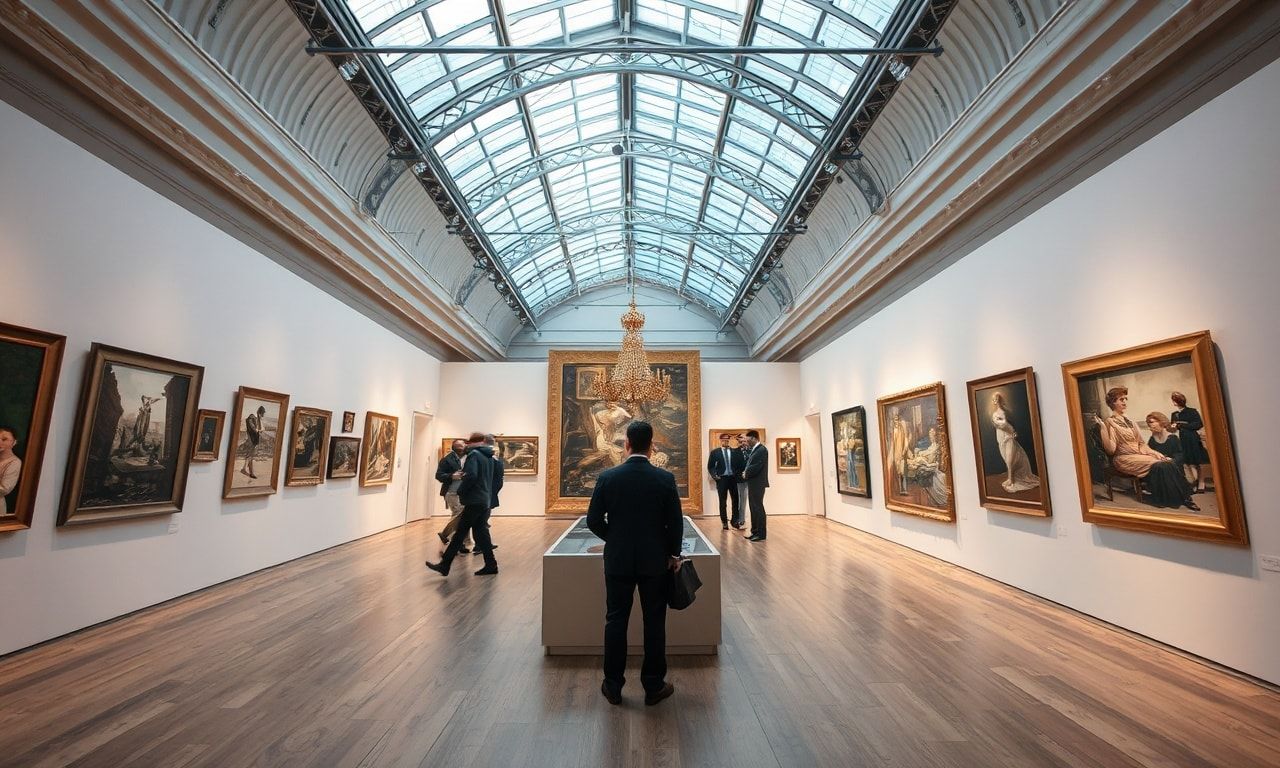
The Evolution of London’s Art Scene
London, a city renowned for its rich cultural heritage, has long been a magnet for art enthusiasts from around the globe. The city’s art scene is constantly evolving, with new exhibitions and events that push the boundaries of creativity and innovation. As we look towards the future, the landscape of art exhibitions in London is set to undergo significant transformations, driven by technological advancements, changing audience preferences, and a growing emphasis on inclusivity and sustainability.
The Rise of Digital and Interactive Exhibitions
One of the most notable trends shaping the future of art exhibitions in London is the integration of digital technology. Museums and galleries are increasingly embracing virtual reality (VR), augmented reality (AR), and interactive installations to create immersive experiences for visitors. These technological advancements not only enhance the viewing experience but also make art more accessible to a broader audience. For instance, the British Museum has been experimenting with VR tours, allowing users to explore ancient artifacts from the comfort of their homes. This trend is expected to continue, with more institutions adopting digital tools to engage with tech-savvy audiences.
Moreover, the COVID-19 pandemic has accelerated the shift towards digital exhibitions. With physical gatherings restricted, many art institutions turned to online platforms to showcase their collections. This pivot has opened up new possibilities for reaching global audiences and has highlighted the potential of digital exhibitions as a complementary, rather than a replacement, for in-person experiences. As we move forward, we can expect to see a hybrid model of physical and digital exhibitions becoming the norm.
The Importance of Sustainability in Art Exhibitions
Another key trend influencing the future of art exhibitions in London is the growing emphasis on sustainability. As climate change becomes an increasingly pressing issue, art institutions are taking steps to reduce their environmental impact. This includes adopting eco-friendly practices such as using sustainable materials for exhibitions, reducing energy consumption, and minimizing waste. The Tate Modern, for example, has implemented a range of sustainability initiatives, including the use of renewable energy sources and the reduction of single-use plastics.
In addition to environmental sustainability, there is also a growing focus on social sustainability. Art exhibitions are increasingly being used as a platform to address social issues and promote inclusivity. This includes showcasing works by underrepresented artists, hosting community engagement events, and creating exhibitions that highlight diverse cultural perspectives. By doing so, art institutions are playing a crucial role in fostering a more inclusive and equitable society.
Looking Ahead: The Art Exhibition Events Calendar 2026
As we look towards the future, the art exhibition events calendar 2026 promises to be an exciting one. With a growing emphasis on digital innovation and sustainability, London’s art scene is poised to offer a diverse range of exhibitions that cater to a wide array of interests and preferences. From immersive digital experiences to thought-provoking installations that address pressing social issues, there will be something for everyone to enjoy.
One of the most anticipated exhibitions in the coming years is the “Digital Dreams” exhibition at the Victoria and Albert Museum. This exhibition will showcase the latest advancements in digital art, featuring works that blend traditional art forms with cutting-edge technology. Visitors can expect to be transported to a world where art and technology intersect, creating a truly immersive experience.
Another highlight of the art exhibition events calendar 2026 is the “Sustainable Futures” exhibition at the Science Museum. This exhibition will explore the role of art in addressing environmental challenges and promoting sustainable practices. Through a series of interactive installations, visitors will be encouraged to think critically about their own impact on the environment and to consider ways in which they can contribute to a more sustainable future.
The Role of Community Engagement
Community engagement is another important aspect of the future of art exhibitions in London. Art institutions are increasingly recognizing the value of involving the community in the creative process, whether through collaborative projects, workshops, or public art installations. This not only fosters a sense of ownership and pride among local residents but also helps to create a more vibrant and dynamic cultural scene.
For example, the Barbican Centre has been actively engaging with local communities through its “Open House” program, which invites residents to participate in a range of artistic activities, from painting and sculpture to digital art and performance. By involving the community in the creative process, the Barbican is helping to build a more inclusive and accessible art scene that reflects the diverse perspectives and experiences of London’s residents.
Conclusion
The future of art exhibitions in London is bright and full of possibilities. With a growing emphasis on digital innovation, sustainability, and community engagement, the city’s art scene is set to offer a diverse range of experiences that cater to a wide array of interests and preferences. As we look towards the art exhibition events calendar 2026, we can expect to see a vibrant and dynamic cultural landscape that continues to push the boundaries of creativity and innovation. Whether you are a seasoned art enthusiast or a casual visitor, there will be something for everyone to enjoy in London’s ever-evolving art scene.
As cultural heritage continues to gain global recognition, delve into the vibrant traditions with Mexico’s rich cultural tapestry.
As remote work continues to gain traction, our latest report digital nomads reshaping employment delves into its impact on the future of work.
In the rapidly evolving landscape of digital engagement, gaming’s role in education is gaining significant traction, as explored in our latest feature.